
What to Expect When Working With Nature’s Elements Landscaping
From the First Conversation to the Finished Landscape
Every landscape project is different, but knowing what to expect can make the process easier and help everyone make better decisions along the way.
At Nature’s Elements Landscaping, our goal is to create a clear path from your initial ideas through design, estimating, construction, and completion. Some projects are straightforward, while others evolve as materials are selected, site conditions are discovered, budgets are refined, or new ideas develop.
We believe those decisions should be discussed openly so you understand what is happening, what comes next, and how changes may affect your project.
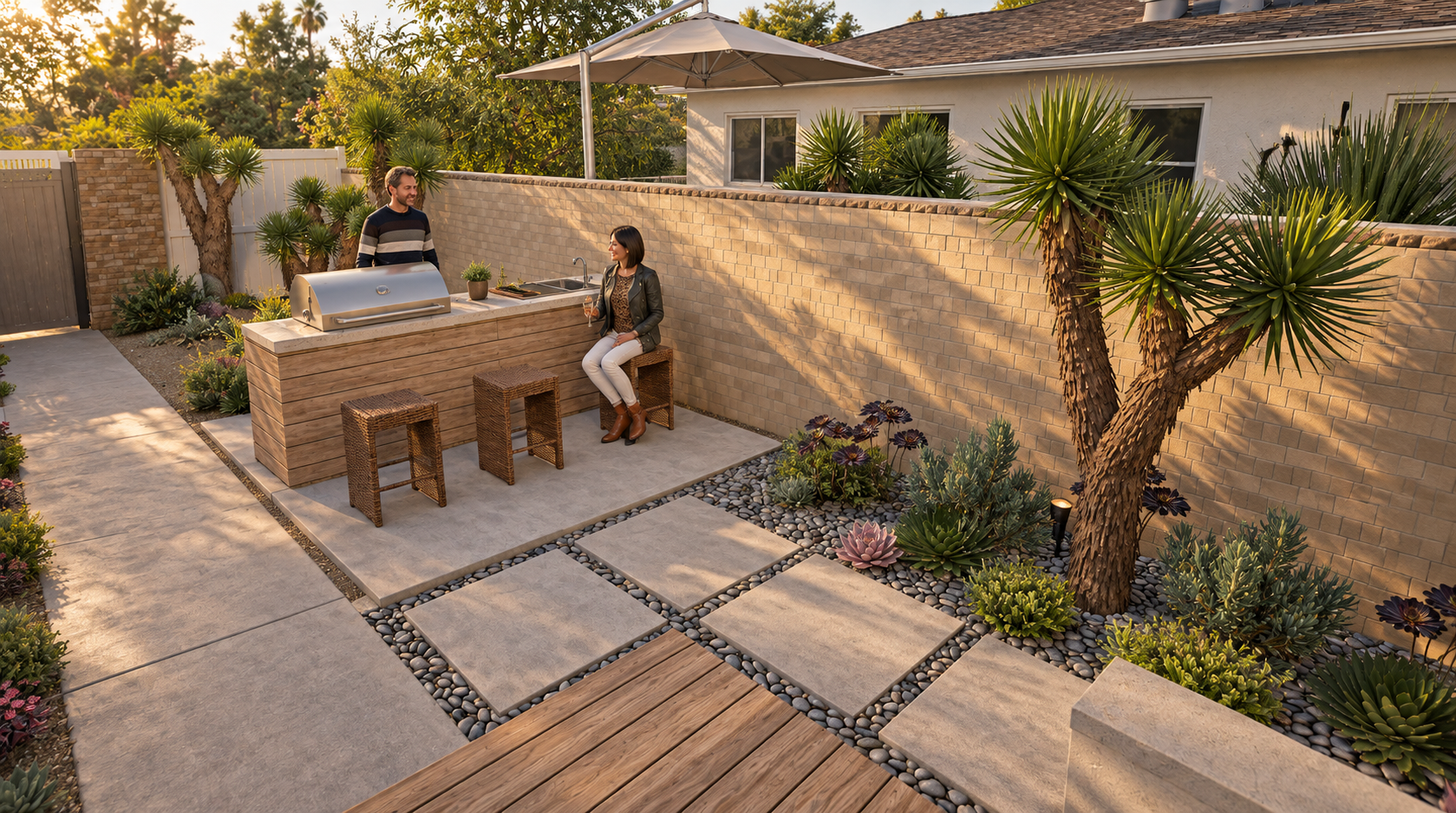
Initial Consultation
The process begins with a conversation about your property, your goals, and what you would like to accomplish.
During this stage, we may discuss:
How you currently use the property.
What you would like to change.
Landscape style and overall appearance.
Plants and planting preferences.
Patios, pavers, and other hardscape.
Irrigation and drainage.
Outdoor living features.
Landscape lighting.
Retaining walls or garden walls.
Maintenance considerations.
Priorities and budget.
Existing site conditions that may affect the project.
This first step helps us understand not only how you want the landscape to look, but how you want it to function for you.
If appropriate, we may also recommend a more detailed site evaluation, design consultation, or additional investigation before moving into estimating.
Site Evaluation
Depending on the project, the next step may include a more detailed evaluation of the property as part of our Landscape Design Process.
During this stage, we may review:
Existing grades and elevations.
Drainage patterns and how water moves through the property.
Irrigation systems.
Existing plants and trees.
Walls and structures.
Concrete, Pavers and Other Hardscape.
Access for workers, materials, and equipment.
Sun and shade exposure.
Existing utilities or site limitations.
Slopes, grade changes, and areas that may require Retaining Walls.
Areas that may require additional investigation.
Some site conditions are visible during the initial evaluation, while others may not become apparent until construction, demolition, excavation, or removal of existing materials begins.
If concealed or unexpected conditions are discovered, we will discuss them with you and determine the appropriate next step before moving forward.
Landscape Design
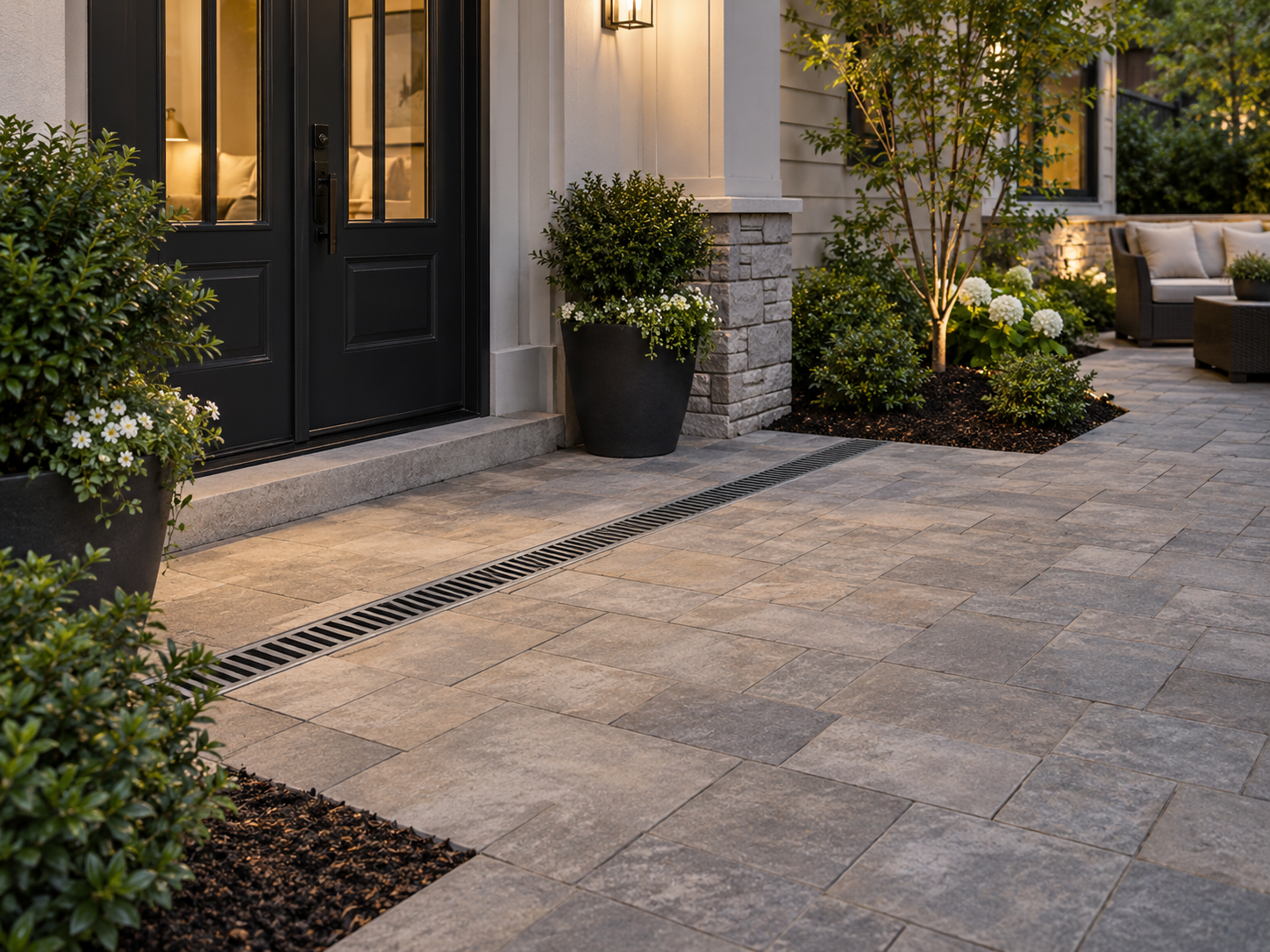
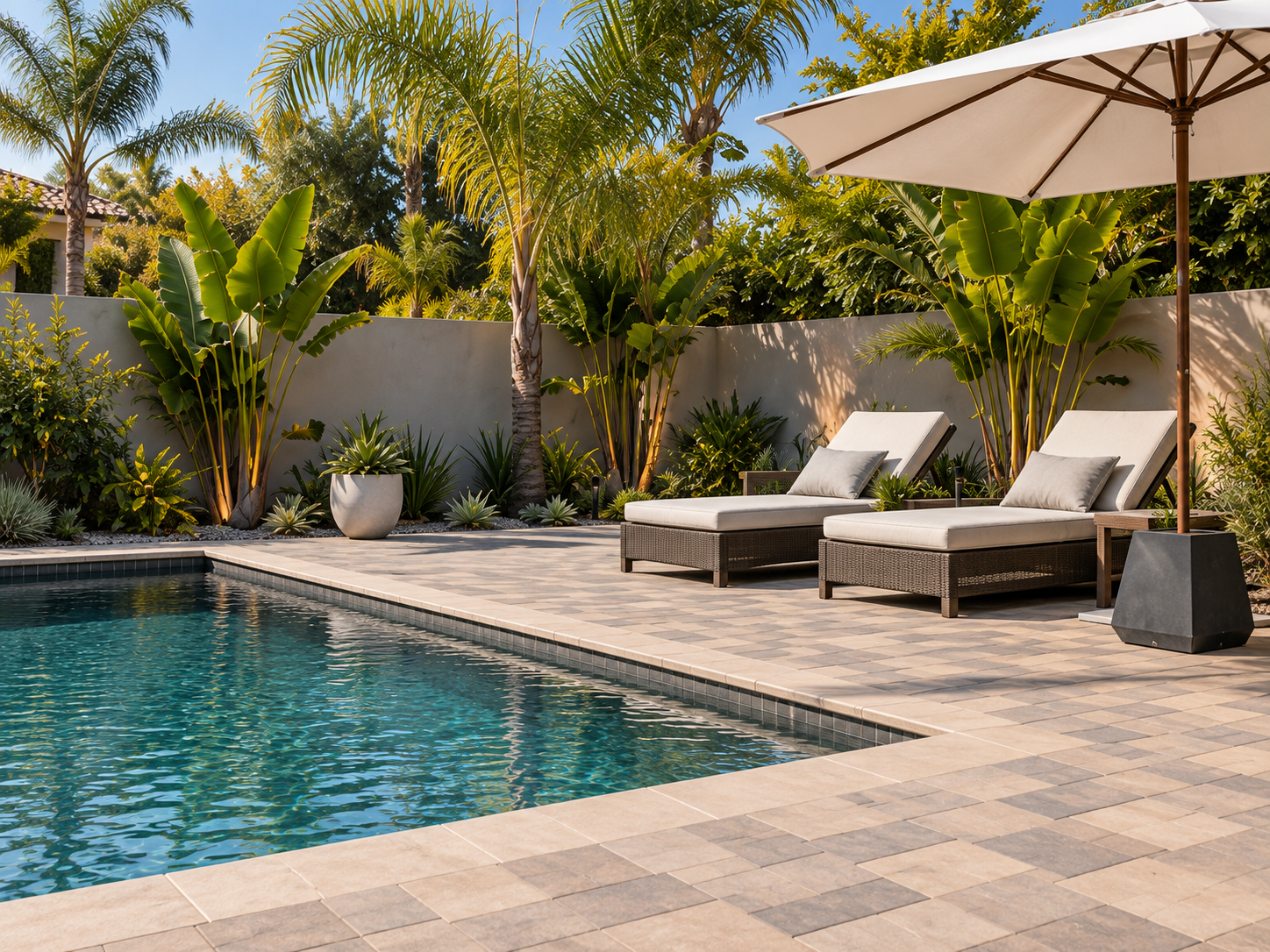
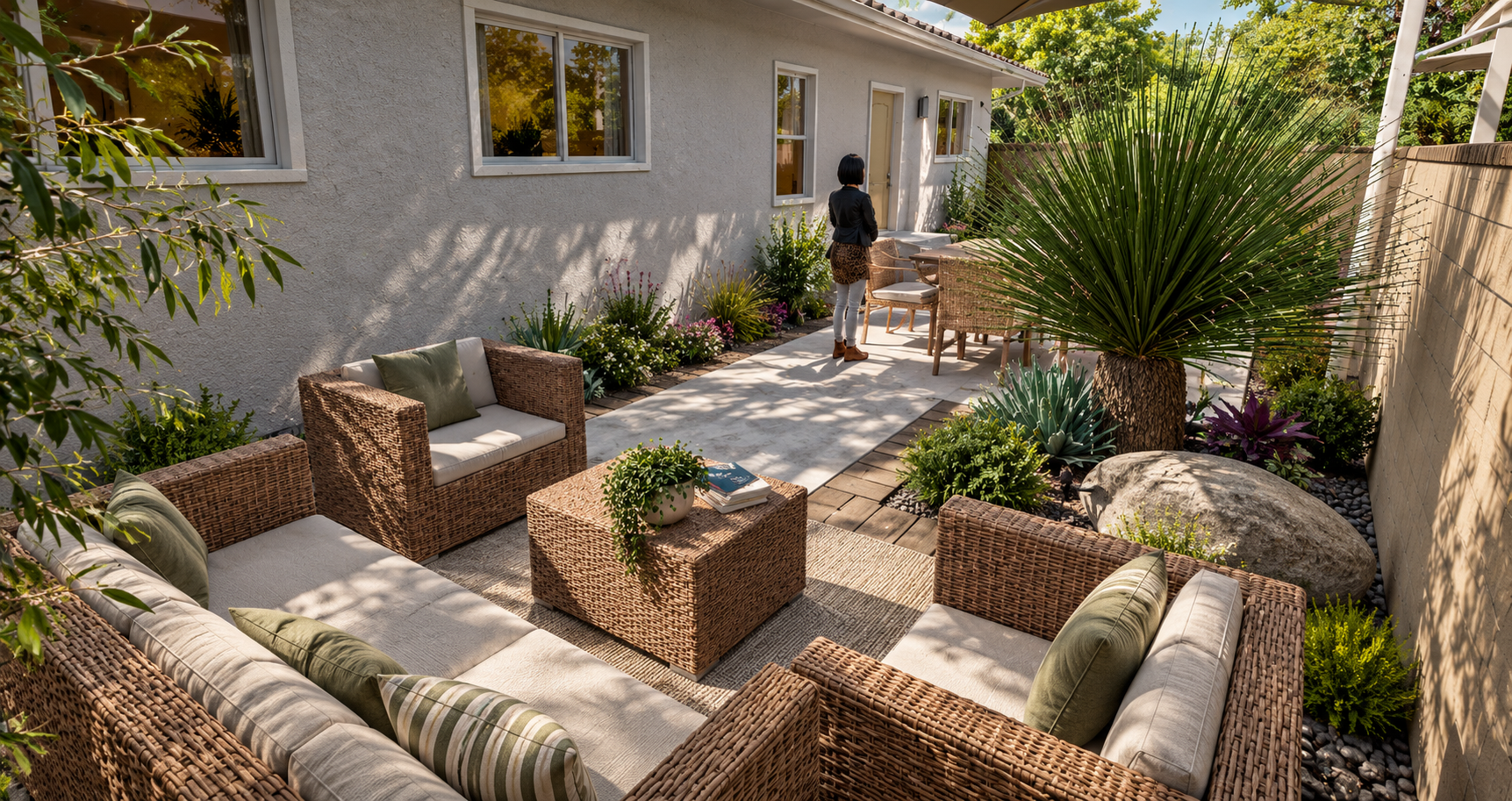
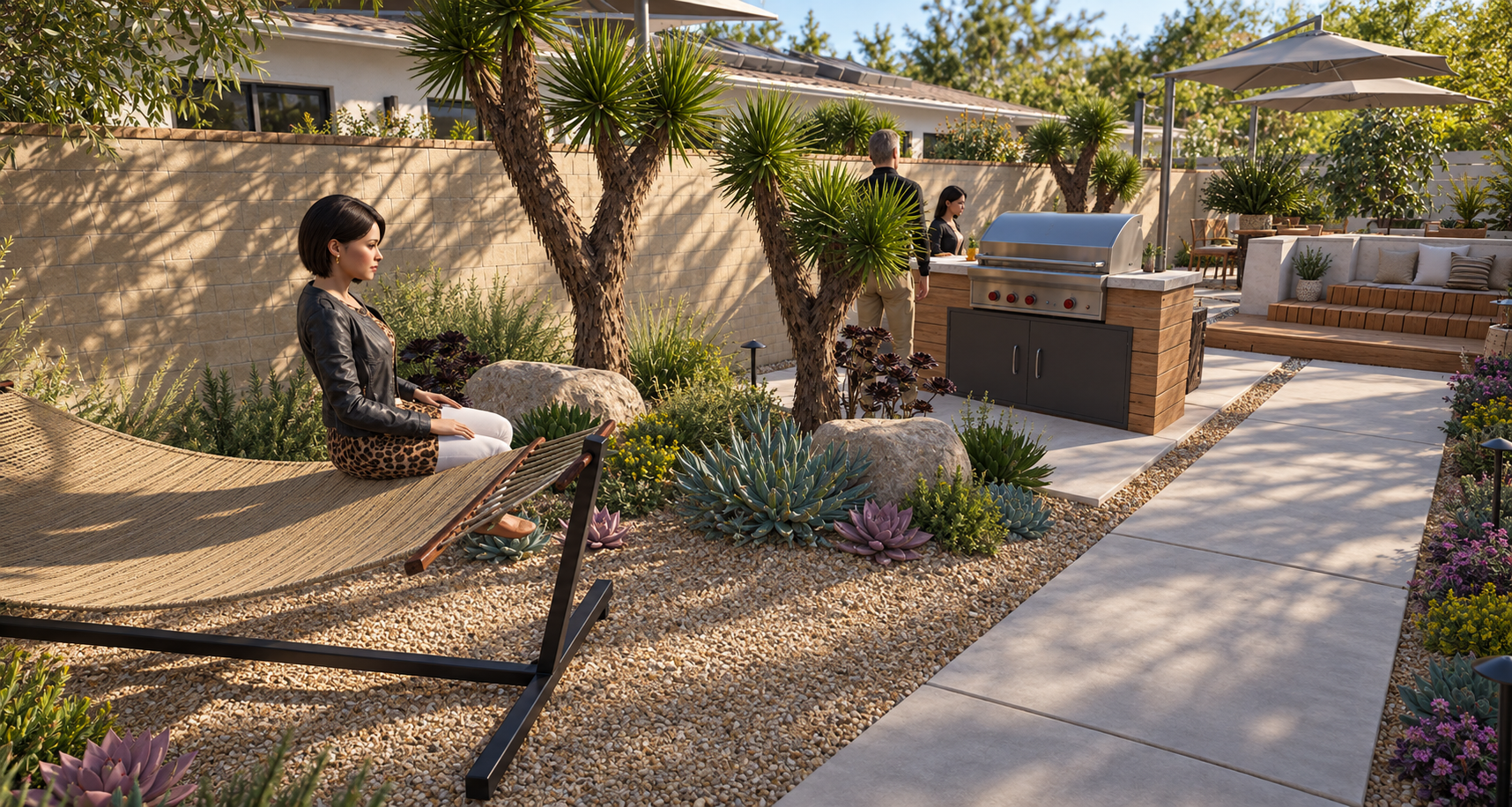
For projects that require design, we use the information gathered during our consultation and site evaluation to begin developing a plan for your property.
Our 3D Landscape Design process allows you to visualize the project before construction begins and gives us an opportunity to refine important details together.
Depending on the project, the design may help us evaluate:
Overall landscape layout.
Patios, walkways, and outdoor living areas.
Planting locations and plant combinations.
Pavers, concrete, and other hardscape.
Retaining walls and grade changes.
Seating and gathering areas.
Pergolas and shade structures.
Irrigation and drainage considerations.
Landscape lighting.
Material relationships and finishes.
How the different areas of the property connect and function together.
Designs may evolve as ideas are refined, materials are selected, or priorities change. Making these decisions during the design stage can help create a clearer direction before construction begins.
For homeowners who want to understand the planning process in greater detail, our Complete Guide to Landscape Design in San Diego covers many of the considerations involved in developing a successful landscape.
Developing the Estimate
Once we have enough information about the project, we begin developing the estimate based on the scope of work discussed during the consultation and design process.
Whenever practical, we separate the project into individual scopes rather than presenting everything as one unexplained number. This makes it easier to understand how the different parts of the project contribute to the overall investment.
Depending on the project, the estimate may include separate scopes for:
Project preparation and demolition.
Grading and drainage.
Concrete installation.
Plant installation.
Artificial turf.
Outdoor living features.
Cleanup and disposal.
Breaking the project into scopes also gives us more flexibility if adjustments are needed. If the complete project exceeds the desired investment, individual scopes may sometimes be modified, postponed, substituted, or removed while still protecting the overall intent of the design.
Our goal is to give you a clear understanding of what is included and provide enough detail to make informed decisions about how you would like to move forward.
Allowances and Selections
Not every product or material needs to be finalized when the initial estimate is prepared. Depending on the project, certain items may be included as allowances or remain subject to final selection.
These may include:
Plants and trees.
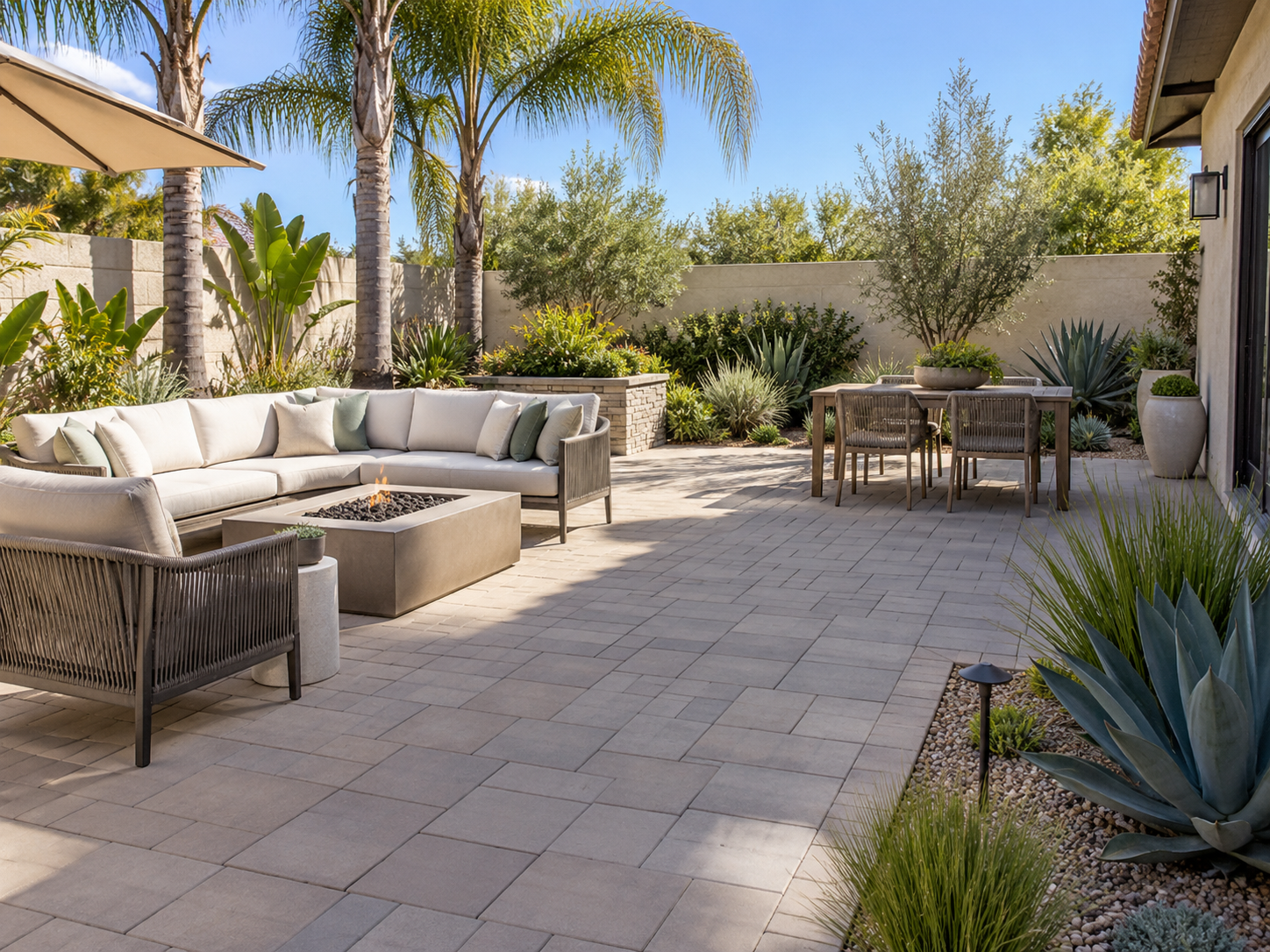
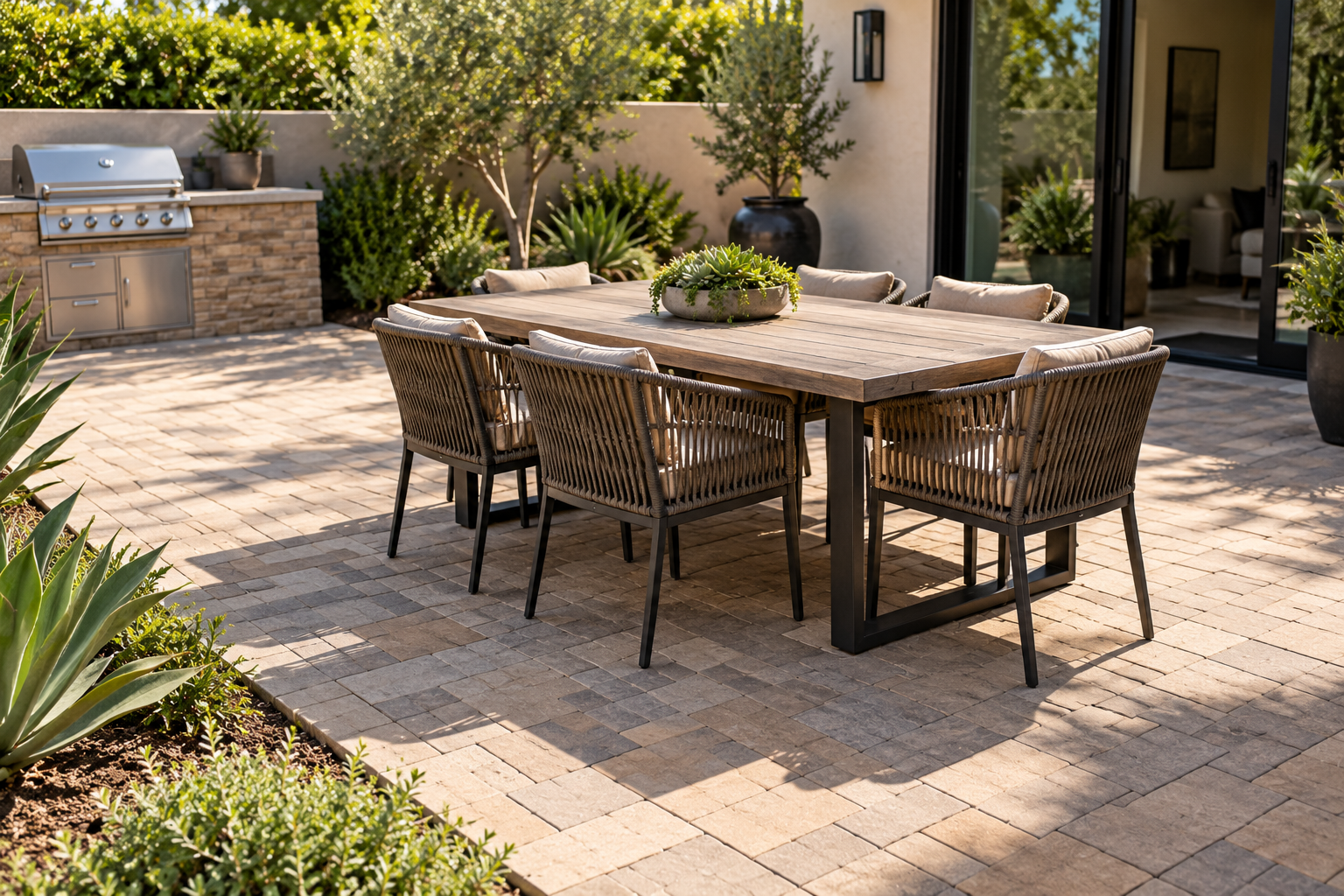
Pavers, stone, and decorative materials.
Tile and finish materials.
Landscape lighting fixtures.
Outdoor living components.
Pergolas and shade structures.
Specialty products or custom features.
An allowance provides a working amount for an item while the final product, quantity, size, color, finish, or manufacturer is still being determined.
For example, selections made for Pavers and Hardscape or Landscape Lighting may affect the final project price depending on the specific materials and products selected.
If the final selection costs more or less than the amount included in the estimate, the project price may be adjusted accordingly.
We identify these items whenever possible so you understand which portions of the estimate are established and which portions may change as selections are finalized.
Making selections early can also help with pricing, ordering, availability, scheduling, and keeping the project moving smoothly.
Reviewing and Refining the Project
Once the initial estimate is prepared, we can review the project as a whole and make adjustments where needed.
This stage gives us an opportunity to look at the overall scope, priorities, material selections, and investment before construction begins.
Depending on the project, we may review:
Areas that are most important to complete first.
Portions of the project that may be completed at a later time.
Material or product alternatives.
Design modifications.
Optional improvements or upgrades.
Changes that may help bring the project closer to the desired budget.
How individual scopes work together as part of the overall landscape.
For larger projects, this can be especially helpful. A complete Landscape Design may include several different elements, such as planting, Pavers and Hardscape, irrigation, lighting, walls, or outdoor living features.
Our goal is to first understand the complete vision for the property and then determine the best way to accomplish it.
If adjustments are necessary, we can work backward from the complete project and refine individual scopes while keeping the overall design and long-term use of the property in mind.
The Project Agreement
Once the scope of work has been reviewed and you are ready to move forward, the project agreement establishes the specific work, pricing, and terms for your project.
Depending on the project, the agreement may include:
The approved scope of work.
Project pricing and allowances.
Payment requirements.
Material and product responsibilities.
Estimated scheduling or project duration.
Site and access conditions.
Change-order procedures.
Project exclusions and limitations.
Warranty information.
Required notices and disclosures.
We encourage you to review the agreement carefully and ask questions about anything that is unclear before work begins.
This page is intended to explain our general process in easy-to-understand terms. It does not replace your individual project agreement.
The signed agreement, along with any approved written change orders, establishes the actual scope and terms of the work being performed on your property.
Scheduling and Project Preparation
Once the project agreement is in place, we begin coordinating the steps needed to prepare for construction.
Scheduling can depend on several factors, including:
The approved scope of work.
Crew availability.
Material availability and lead times.
Delivery schedules.
Project sequencing.
Weather conditions.
Required inspections or approvals.
Existing site conditions.
Before work begins, we may also need to coordinate:
Property access.
Gate or entry instructions.
Pets.
Vehicle access.
Material staging areas.
Protection of existing improvements.
Client-supplied materials.
Utility information.
Special property conditions or restrictions.
For projects involving multiple scopes, the order of work is important. For example, Drainage and Irrigation may need to be addressed before certain Pavers and Hardscape or planting work can be completed.
We do our best to keep the project moving efficiently, but certain conditions can affect the schedule. Weather, material delays, inspections, concealed site conditions, or other circumstances outside our control may require adjustments.
If scheduling changes occur, we will communicate with you so you understand what is happening and what the next step will be.
Construction Begins
Once the project is scheduled and the necessary preparation is complete, construction can begin.
Every project is different, and the order of work will depend on the approved scope, existing site conditions, and how the different parts of the project need to come together.
A typical landscape project may include:
Site protection and project preparation.
Demolition and removal of existing materials.
Grading and excavation.
Underground drainage and irrigation work.
Retaining walls or other structural landscape elements.
Concrete, Pavers and Hardscape.
Irrigation modifications and installation.
Planting and landscape materials.
Finish work, adjustments, and cleanup.
Not every area of the property will look finished while construction is underway. Certain portions of the project may need to remain open or unfinished temporarily so underground work, drainage, irrigation, utilities, or later construction phases can be completed correctly.
There may also be periods when progress in one area appears to slow while materials are being delivered, another phase is being completed, or work is being coordinated in a different part of the property.
We work through the project in the sequence that makes the most sense for the installation while protecting completed work whenever possible.
Our goal is to keep you informed throughout construction so you understand what has been completed, what is currently underway, and what comes next.
Changes During Construction
Landscape projects can change as work progresses.
Sometimes a homeowner decides to add something, remove something, change a material, or modify part of the original design. In other situations, construction may uncover conditions that could not reasonably be seen or confirmed before work began.
Examples may include:
Hidden irrigation lines.
Unknown drainage conditions.
Buried concrete or construction debris.
Unstable or unsuitable soil.
Existing utilities or obstructions.
Changes in grade.
Deteriorated materials.
Additional work needed to complete a Retaining Wall, drainage system, or other landscape feature properly.
When a change affects the approved scope, labor, materials, scheduling, or project price, it may require a written change order before the additional or modified work proceeds.
This helps keep the project clear for everyone and makes sure changes are documented before the work is completed.
We encourage you to bring up questions or ideas as soon as they come up. It is usually easier to evaluate a modification while that portion of the project is underway than after construction has moved into another phase.
If we identify a condition that may affect the project, we will discuss it with you and review the available options before moving forward.
Communication Throughout the Project
Clear communication is an important part of a successful landscape project.
As work progresses, questions, decisions, or adjustments may come up. We encourage you to bring these to our attention as soon as possible so they can be discussed while the work is underway.
During the project, communication may include:
Updates on current work and upcoming phases.
Questions about materials or selections.
Access or scheduling coordination.
Changes to the approved scope.
Unexpected site conditions.
Decisions that may affect cost or timing.
Questions about completed or upcoming work.
If you see something you would like to discuss, please let us know. It is often much easier to evaluate a concern or modification while that portion of the project is still in progress rather than after construction has moved into another phase.
Likewise, if we identify something that may affect the project, we will communicate with you so we can review the situation and determine the appropriate next step.
Our goal is to keep the process as clear as possible so you understand what is happening, what decisions may be needed, and what comes next.
For additional information about our general policies and process, you can also visit our Frequently Asked Questions page.
Cleanup and Project Completion
As the project moves toward completion, we focus on finishing the approved scope of work, addressing final details, and cleaning the work areas.
Depending on the project, final steps may include:
Removing construction debris and excess materials.
Final cleanup of work areas.
Adjusting irrigation.
Aiming or adjusting Landscape Lighting.
Reviewing plant installation.
Checking completed Pavers and Hardscape.
Reviewing drainage or irrigation operation.
Completing final touch-ups.
Discussing any remaining items that require follow-up.
At completion, we may also review important care and maintenance information with you.
This can include:
New plant watering.
Irrigation scheduling.
Landscape maintenance.
Lighting adjustments.
Material care.
Seasonal considerations.
Recommended follow-up as the landscape begins to establish.
A newly installed landscape is not completely static. Plants grow, soils settle, seasons change, and irrigation needs may need to be adjusted over time.
Proper maintenance is an important part of protecting the appearance and long-term performance of your landscape.
If you are interested in ongoing care after installation, you can also learn more about our Landscape Maintenance Services.
Questions Are Always Welcome
We want you to understand your project and feel comfortable asking questions throughout the process.
If something is unclear, please ask.
If you are considering a change, let us know.
If your priorities change, tell us.
Landscape projects often evolve between the first conversation and the finished installation. Materials may change, site conditions may affect decisions, or new ideas may come up as the project develops.
Our goal is to help guide that process while keeping the design, scope, costs, and construction requirements as clear as possible.
For additional information about our process, policies, and common questions, visit our Frequently Asked Questions page.
If you are ready to begin planning your property, you can also Request a Landscape Consultation.
Ready to Start Your Project?
Whether you are planning a complete landscape transformation or improving one portion of your property, Nature’s Elements Landscaping can help you evaluate the possibilities and determine the appropriate next steps.
Our team works with homeowners throughout San Diego County on landscape design, construction, irrigation, drainage, hardscape, outdoor living, and ongoing landscape care.
If you are ready to begin, Request a Landscape Consultation and tell us about your property, your ideas, and what you would like to accomplish.
You can also explore our Landscape Services to learn more about the different ways we can help with your property.
Nature’s Elements Landscaping
Serving San Diego County Since 2004
California C-27 Landscape Contractor #847962
We Dig What We Do.