The Complete Guide to Zone 0 Landscaping in San Diego
Fire-Smart Landscape Design Experts
Creating safer landscapes without sacrificing beauty. We help homeowners design and build attractive, functional landscapes that support defensible space principles, improve water efficiency, and complement the architecture of their home—all while helping reduce wildfire risk.
Family Owned & Serving San Diego Since 2004
✔ Zone 0 Landscape Planning
✔ Fire-Smart Plant Recommendations
✔ Defensible Space Design
✔ Professional Landscape Installation
CHOOSE MATERIALS FOR YOUR PROPERTY
Every property is different. Existing fencing, gates, hardscape, landscaping, drainage, irrigation, and the way these features connect to your home can all affect how a Zone 0 improvement plan should be approached.
Explore the options below to learn about materials and landscape improvements that may help reduce combustible materials near your home while maintaining the appearance, privacy, and function of your property.
Fencing & Gates
Fences and gates deserve special attention when evaluating the area around a home because they can create a continuous connection between surrounding combustible materials and the structure.
According to CAL FIRE Home Hardening guidance, combustible fences or gates attached directly to a residence can provide a pathway for fire to reach the home.
CAL FIRE currently recommends replacing attached combustible fencing or gates with a noncombustible option for the first 8 feet.
CAL FIRE also recommends keeping vegetative debris and other combustible materials from accumulating next to or on fencing.
METAL FENCE TRANSITION
For properties with an existing wood or other combustible fence that approaches or connects to the home.
A portion of the existing fence near the structure may be replaced with an appropriate noncombustible fence system to create separation between the home and the remaining combustible fencing.
Best For: Homeowners who want to retain much of an existing fence while addressing the section closest to the structure.
ADD TO MY PROPERTY PLAN
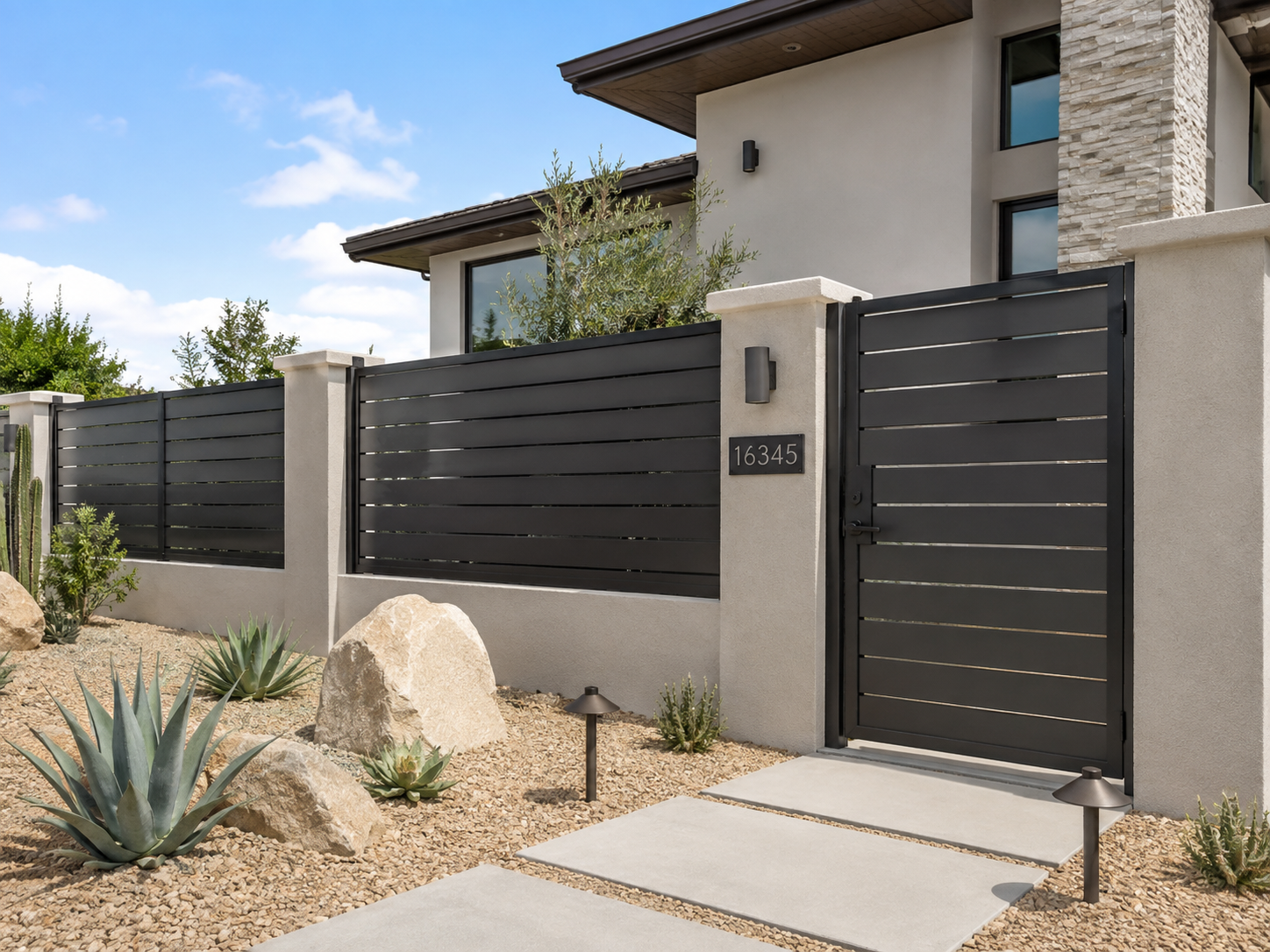
METAL GATES
Replace a combustible gate located next to or attached to the home with an appropriately designed metal gate system.
Metal gates can provide access, security, and privacy while reducing the amount of combustible material immediately adjacent to the structure.
Best For: Side-yard entrances, backyard access points, and gates located near the home.
ADD TO MY PROPERTY PLAN
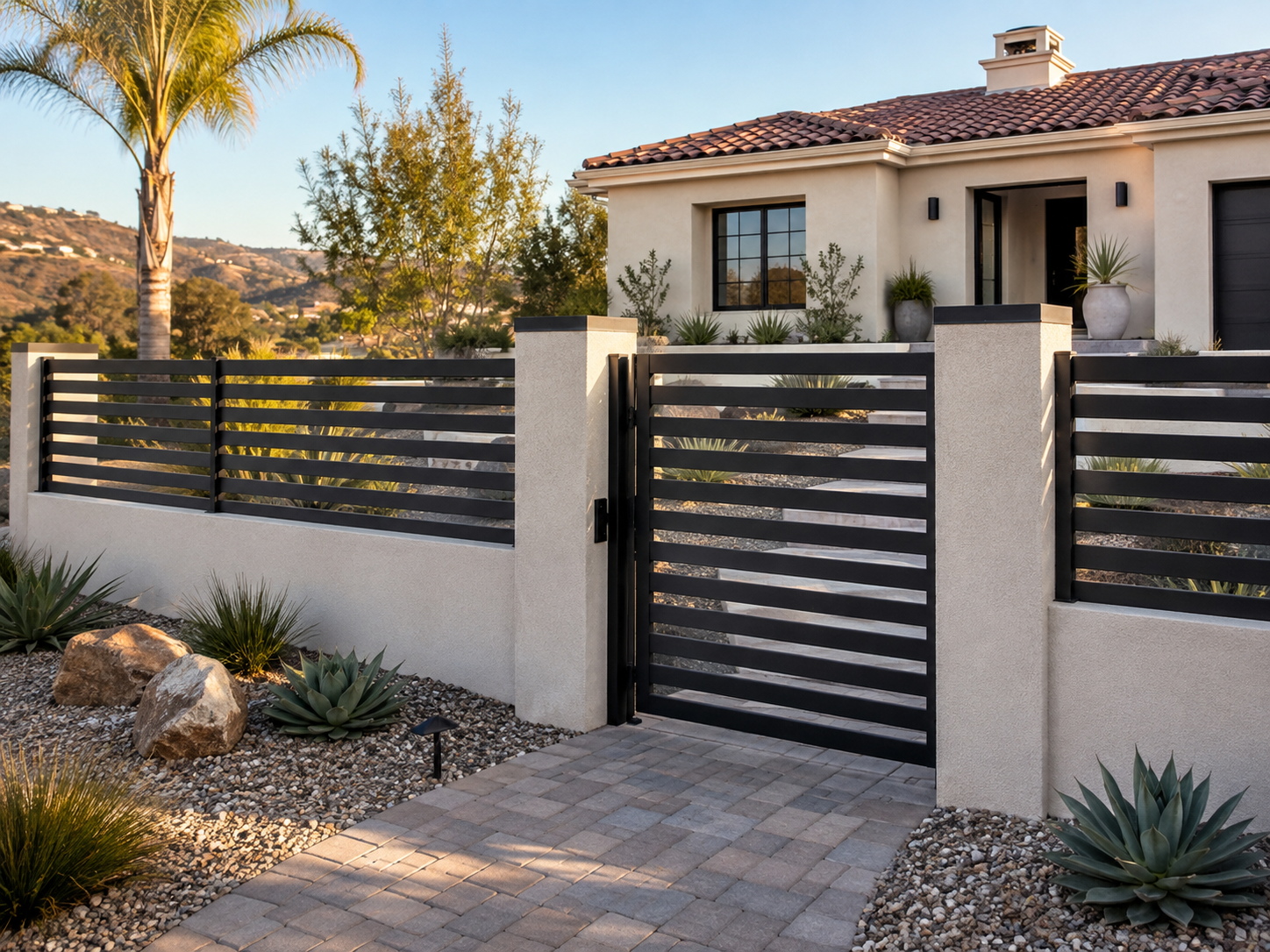
DECORATIVE METAL FENCING
Decorative metal fencing can provide separation and architectural definition without introducing the same combustible fuel characteristics as traditional wood fencing.
Styles can range from simple contemporary fencing to ornamental designs selected to complement the architecture of the home.
Best For: Homeowners looking for an attractive long-term fencing solution near the structure.
ADD TO MY PROPERTY PLAN
MASONRY & METAL FENCE SYSTEMS
Masonry walls, columns, and appropriately designed metal fencing can be combined to create attractive property boundaries, gates, and transition areas.
These systems can also coordinate with existing concrete, pavers, retaining walls, and other hardscape materials throughout the landscape.
Best For: Complete landscape renovations, privacy improvements, and properties where fencing is being redesigned as part of a larger project.
ADD TO MY PROPERTY PLAN
EXISTING FENCE TRANSITION
A complete fence replacement may not always be necessary.
Where appropriate, an existing combustible fence farther from the home may remain while the portion closest to or attached to the structure is evaluated for replacement with a noncombustible alternative.
Existing site conditions, property lines, neighboring fencing, local requirements, and the construction of the existing fence should all be considered before determining the appropriate solution.
Best For: Homeowners who want to improve the area near the home without automatically replacing an entire fence line.
ADD TO MY PROPERTY PLAN
FENCE-LINE CLEANUP & LANDSCAPE CONVERSION
Fencing can become more vulnerable when leaves, dry vegetation, mulch, climbing plants, or other combustible materials accumulate along the fence line.
Improvements may include removing accumulated debris, modifying nearby planting, replacing combustible ground cover, improving irrigation, and incorporating gravel, stone, pavers, concrete, or other appropriate landscape materials.
Best For: Existing fence lines surrounded by aging landscaping, organic mulch, overgrown vegetation, or accumulated debris.
ADD TO MY PROPERTY PLAN
IMPORTANT INFORMATION
Zone 0 regulations and local wildfire requirements continue to evolve in California.
The recommendations above are intended to help homeowners understand available landscape and fencing options based on current wildfire-preparedness guidance. They should not be interpreted as a guarantee of wildfire protection, insurance eligibility, or compliance with any specific state or local regulation.
Property-specific requirements should be confirmed with CAL FIRE, the applicable local fire authority, building department, HOA, or other governing agency.
GET MY INSTALLED PRICE
The Complete Guide to Zone 0 Landscaping in San Diego
Understanding California's Ember-Resistant Zone
Wildfires have always been part of California's landscape, but the way homes ignite has changed the way we think about protecting them.
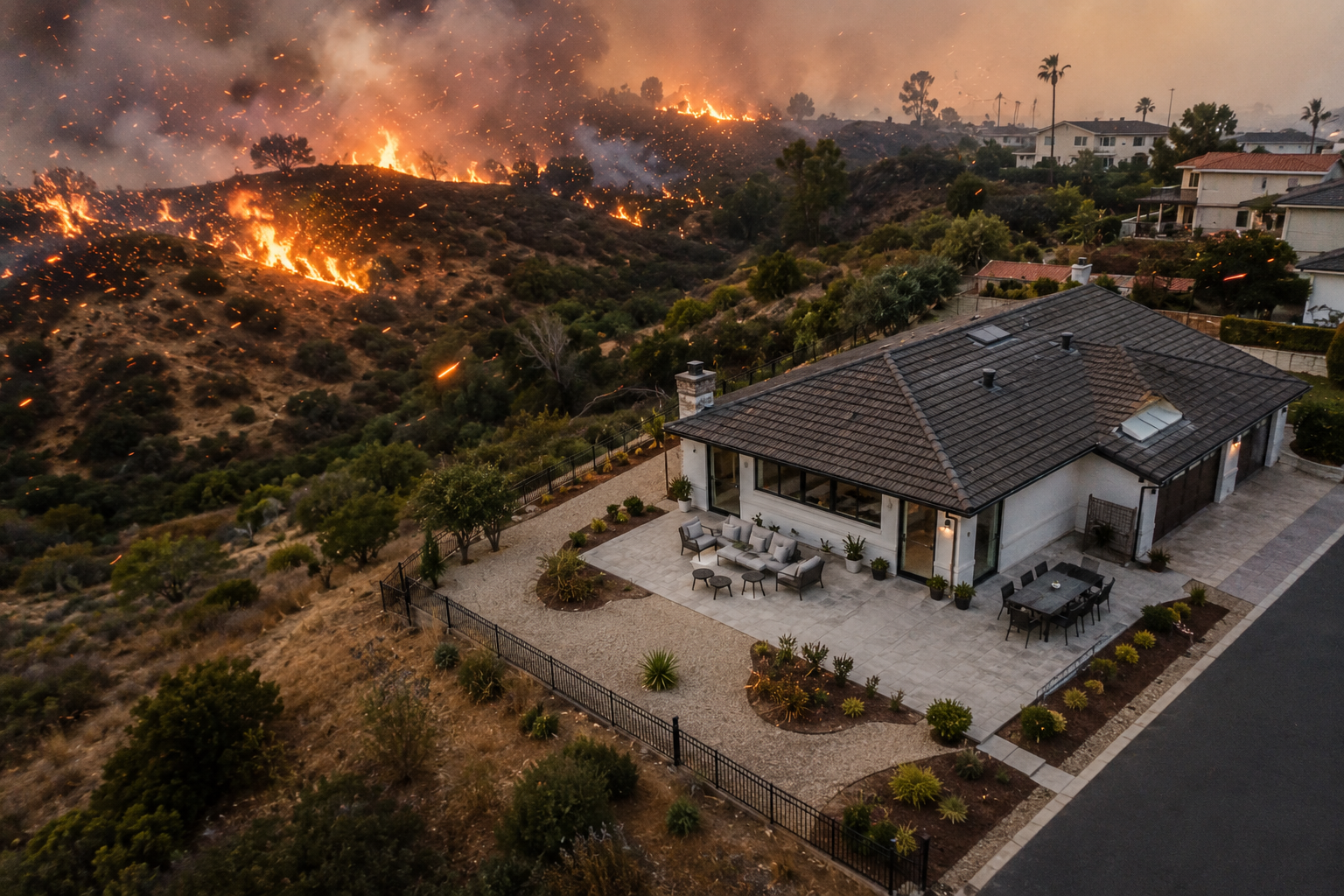
For many years, homeowners believed that homes were destroyed only when large flames reached the structure. Modern wildfire research has shown something very different. In many cases, homes ignite because wind-driven embers travel far ahead of the main fire, landing in combustible materials located immediately next to the home.
These embers can accumulate in bark mulch, dry leaves, wood Fencing, landscape debris, patio furniture, planter beds, and other combustible materials surrounding a structure. Once these materials ignite, the fire can spread directly to the home—even when the wildfire itself is still hundreds of feet away.
This understanding has fundamentally changed wildfire preparedness throughout California and has led to increased attention on what is now known as Zone 0—the five-foot area immediately surrounding your home.
At Nature's Elements Landscaping, we believe homeowners deserve more than a checklist of rules. They deserve to understand the science behind those recommendations so they can make informed decisions that improve both the beauty and resilience of their property.
This guide has been created to help homeowners understand Zone 0 Landscaping, wildfire-resistant Landscape Design, defensible space principles, proper irrigation, fire-conscious material selection, and long-term landscape maintenance. Whether you're updating an existing landscape or beginning with a complete Landscape Design Process, our goal is to help you create an outdoor environment that is attractive, functional, and better prepared for California's changing wildfire conditions.
What Is Zone 0?
Zone 0 is the area extending approximately five feet outward from your home's exterior walls, including attached decks, stairs, porches, balconies, fences attached to the structure, and other connected building elements.
Unlike traditional defensible space, which focuses on slowing the spread of wildfire across a property, Zone 0 is specifically designed to reduce the likelihood that wind-driven embers will ignite combustible materials immediately adjacent to your home.
Research following major California wildfires found that many homes survived even though flames passed nearby, while others ignited because embers landed in combustible materials surrounding the structure.
This means the first five feet around your home has become one of the most important areas for wildfire resilience.
Why Zone 0 Matters for Every Homeowner
Zone 0 is not simply another landscaping trend.
It represents years of wildfire research, engineering studies, and post-fire investigations that have helped scientists better understand why homes burn.
The goal isn't to eliminate landscaping. The goal is to make smarter decisions. Beautiful landscapes and wildfire resilience can absolutely work together.
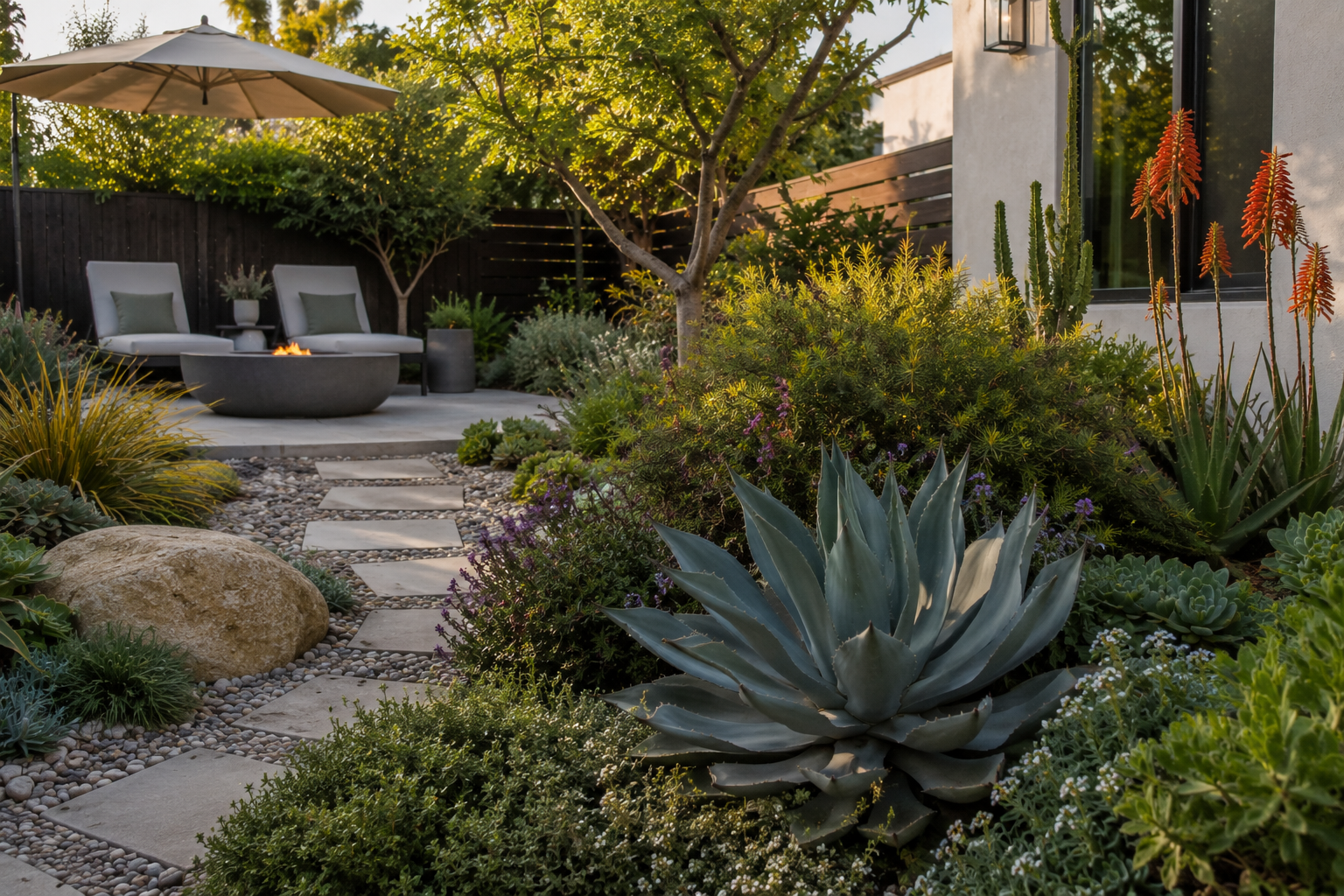
By combining decorative stone, concrete, pavers, properly maintained plant material, efficient irrigation, and thoughtful landscape planning, homeowners can reduce wildfire risk while creating outdoor spaces that remain beautiful throughout the year.
Many of these improvements naturally complement projects involving Hardscape & Concrete Contractor, Retaining Walls Contractor, The Leak Squad, and long-term Landscape Maintenance, allowing your entire property to function as one complete outdoor environment.
Zone 0 Is Part of a Complete Landscape Strategy
One of the biggest misconceptions about Zone 0 is that it exists independently from the rest of your landscape.
In reality, every part of your property works together.
Landscape Design influences drainage.
Drainage affects irrigation.
Irrigation influences plant health.
Plant selection affects maintenance.
Hardscape materials contribute to fire resistance.
Retaining walls affect grading and water movement.
Outdoor lighting improves nighttime visibility and safety.
When each element is planned together through a professional Landscape Design Process, homeowners often achieve better long-term performance, lower maintenance costs, improved water efficiency, and a more cohesive outdoor living environment.
Rather than viewing Zone 0 as a limitation, we encourage homeowners to see it as an opportunity to build a landscape that is both beautiful and thoughtfully designed.
Our Philosophy
At Nature's Elements Landscaping, we believe exceptional landscapes should do more than look beautiful.
They should improve the way people live, protect one of their largest investments, and continue performing for decades.
That philosophy guides every recommendation we make.
Whether we're designing a complete landscape, installing decorative Hardscape, improving irrigation efficiency through The Leak Squad, constructing retaining walls, or helping homeowners create fire-conscious landscapes, every decision is made with the entire property in mind.
Our philosophy has always been simple.
We Design for the Human Experience.
That means designing landscapes that are beautiful to look at, enjoyable to use, easier to maintain, environmentally responsible, and better prepared for California's future.
The History Behind California's Zone 0 Requirements
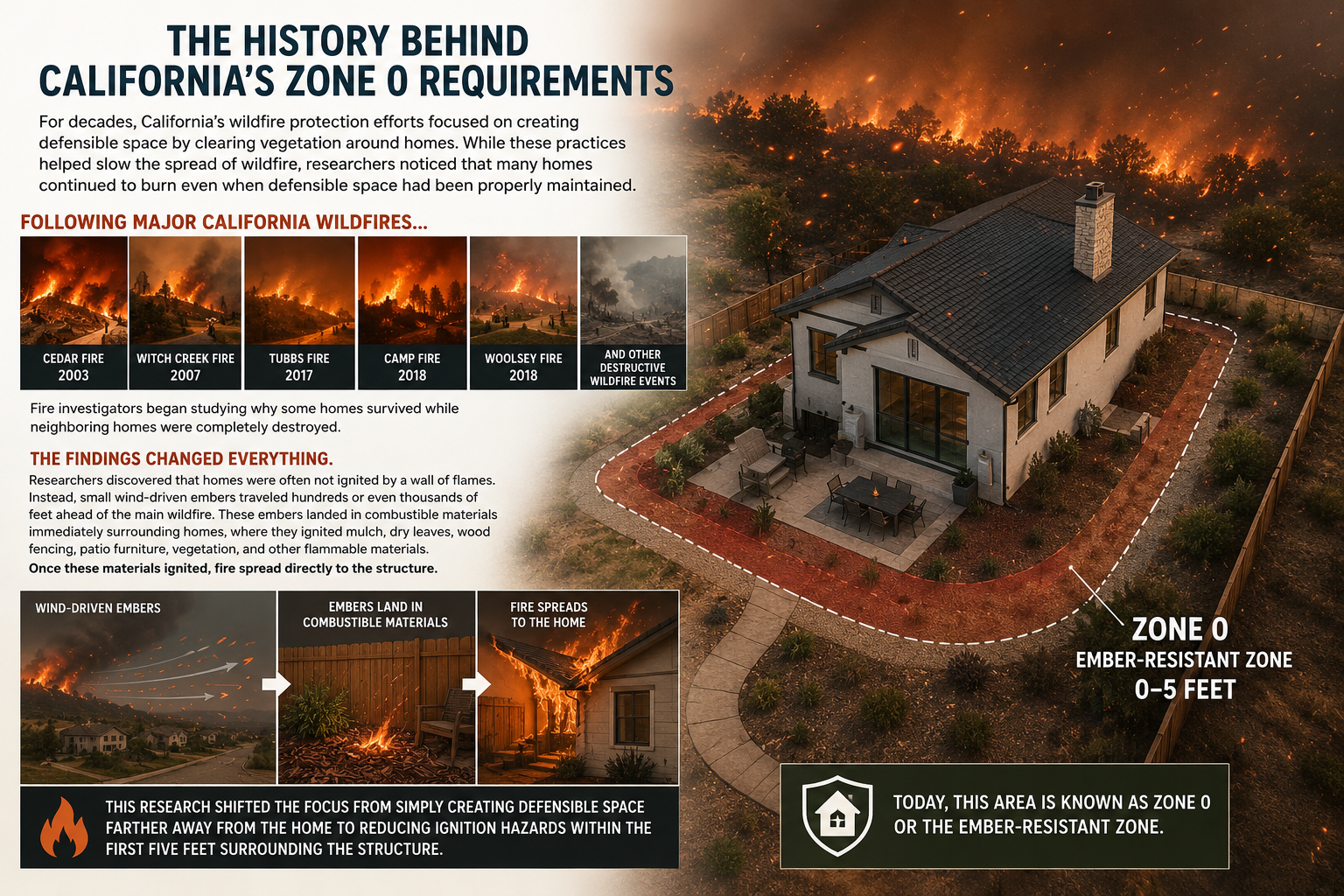
For decades, California's wildfire protection efforts focused on creating defensible space by clearing vegetation around homes. While these practices helped slow the spread of wildfire, researchers noticed that many homes continued to burn even when defensible space had been properly maintained.
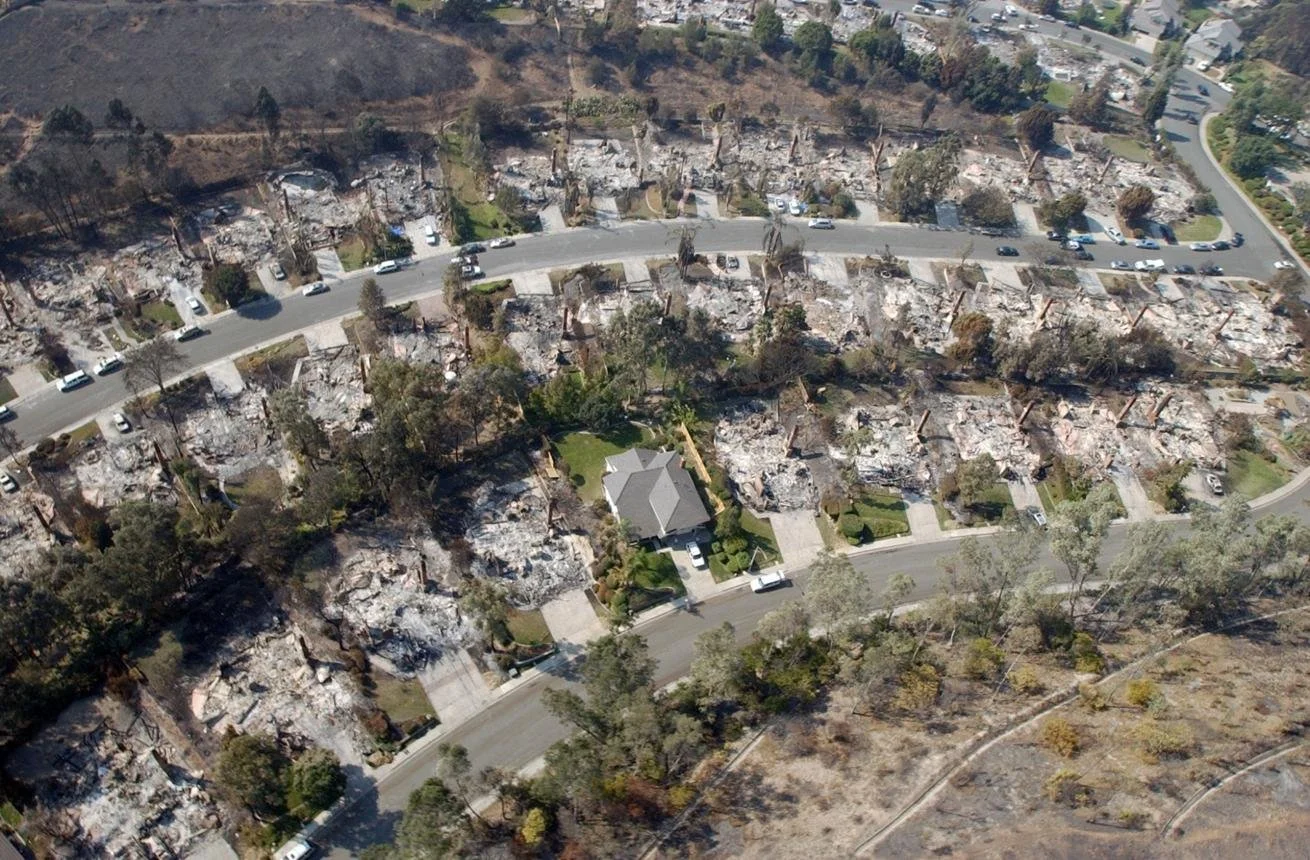
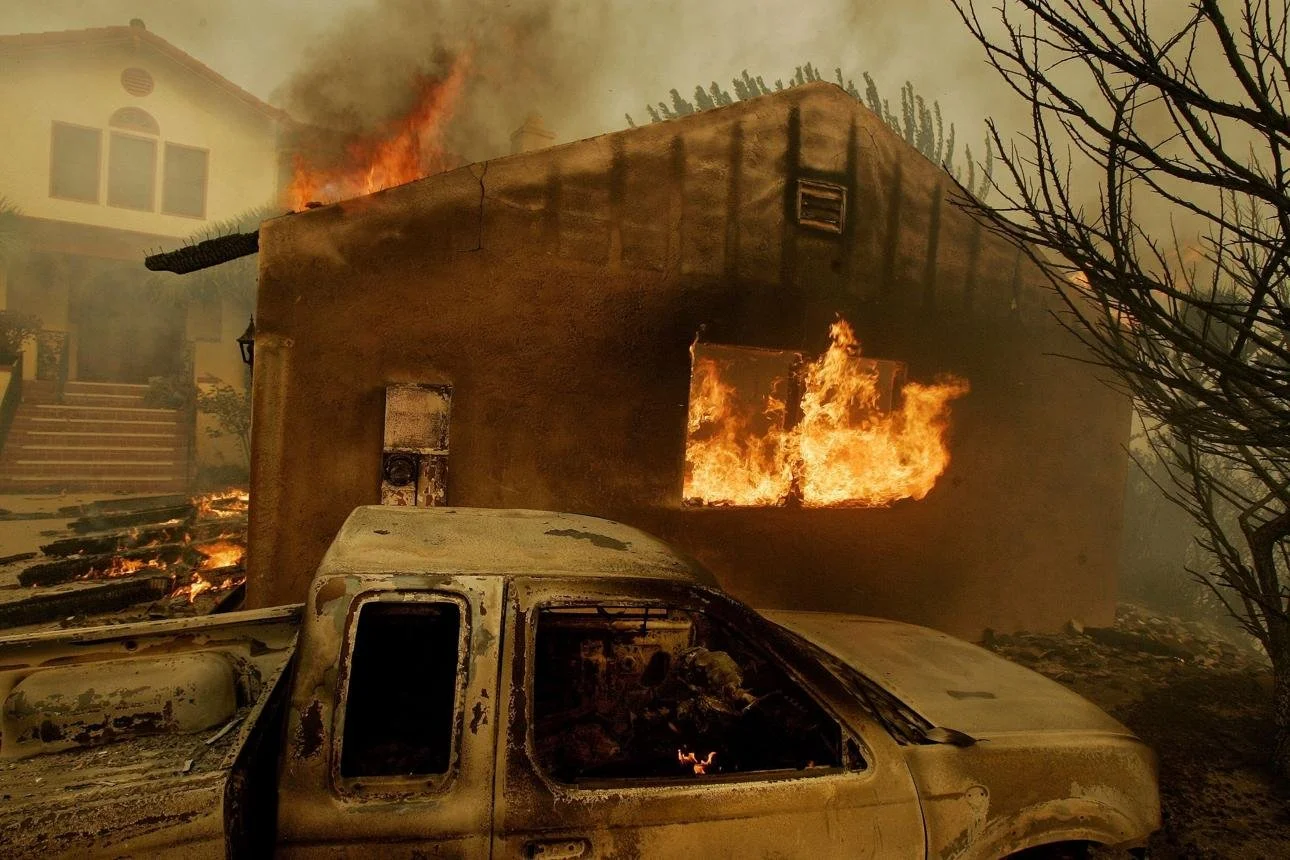
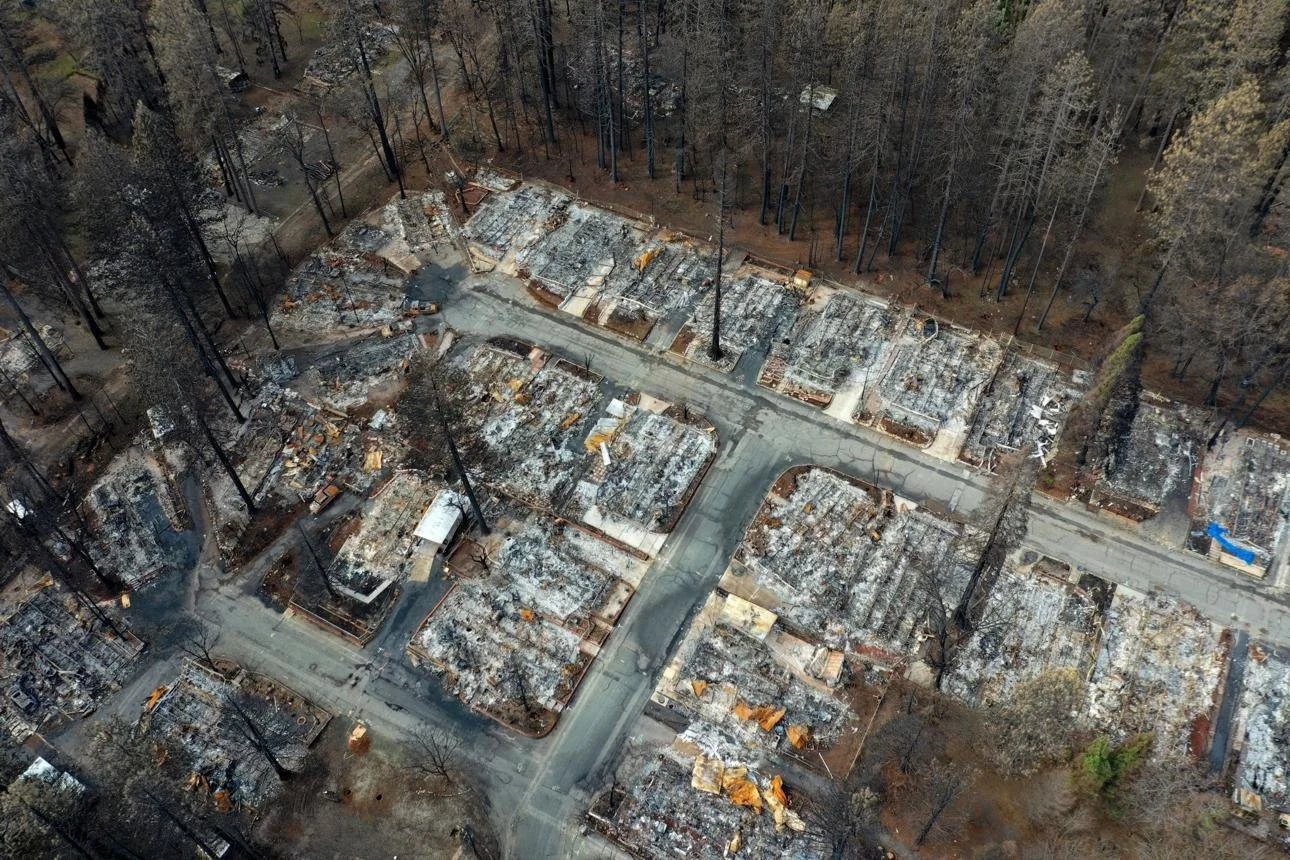
Following major California wildfires—including the Cedar Fire (2003), Witch Creek Fire (2007), Tubbs Fire (2017), Camp Fire (2018), Woolsey Fire (2018), and numerous other destructive wildfire events—fire investigators, engineers, and wildfire scientists began studying why some homes survived while neighboring homes were completely destroyed. These fires collectively destroyed thousands of homes, reshaped communities, and led to significant changes in California's approach to wildfire preparedness, building standards, and Landscape Design.
The findings changed the way wildfire professionals think about protecting homes.
Researchers discovered that homes were often not ignited by a wall of flames. Instead, small wind-driven embers traveled hundreds or even thousands of feet ahead of the main wildfire. These embers landed in combustible materials immediately surrounding homes, where they ignited mulch, dry leaves, wood Fencing, patio furniture, vegetation, and other flammable materials.
Studies conducted by organizations including the U.S. Forest Service, CAL FIRE, and the Insurance Institute for Business & Home Safety (IBHS) demonstrated that the area immediately surrounding a structure often played a greater role in home ignition than the intensity of the wildfire itself. Once these materials ignited, fire spread directly to the structure.
This research shifted the focus from simply creating defensible space farther away from the home to reducing ignition hazards within the first five feet surrounding the structure.
Today, this area is known as Zone 0, or the Ember-Resistant Zone.
These findings have been especially important throughout California, including San Diego County, where hot, dry conditions, steep terrain, seasonal drought, and powerful Santa Ana winds can rapidly carry embers into residential neighborhoods. Communities throughout the region continue to adopt wildfire-resilient landscaping practices that help reduce ignition risks while preserving attractive and functional outdoor living spaces.
Zone 0 represents years of wildfire research, engineering studies, and post-fire investigations that continue shaping California's wildfire preparedness strategies. Rather than eliminating landscaping, the goal is to reduce combustible materials closest to the home while allowing homeowners to create attractive, functional outdoor living spaces that better withstand wildfire exposure.
How Homes Actually Ignite During a Wildfire
One of the biggest misconceptions about wildfires is that homes are destroyed only when large flames reach the structure.
In reality, many homes ignite long before the main wildfire arrives.
Strong winds carry burning embers high into the air, where they can travel hundreds of feet—and sometimes more than a mile—ahead of the fire. These embers land on roofs, in gutters, beneath decks, around foundations, in landscape beds, and anywhere combustible materials have accumulated.
When an ember lands in dry leaves, bark mulch, pine needles, wood chips, patio furniture, or other combustible materials, it can begin a small fire that grows unnoticed. Once flames reach the structure, the home becomes much more vulnerable to ignition.
Research has shown that many homes survive because embers never find a place to ignite. Others are lost because combustible materials immediately surrounding the home provide the perfect fuel source.
This is why Zone 0 focuses on the first five feet surrounding your home.
Reducing combustible materials closest to the structure helps eliminate many of the locations where embers are most likely to start a fire.
Understanding how homes ignite is the first step toward designing a landscape that is both beautiful and more resilient during a wildfire.
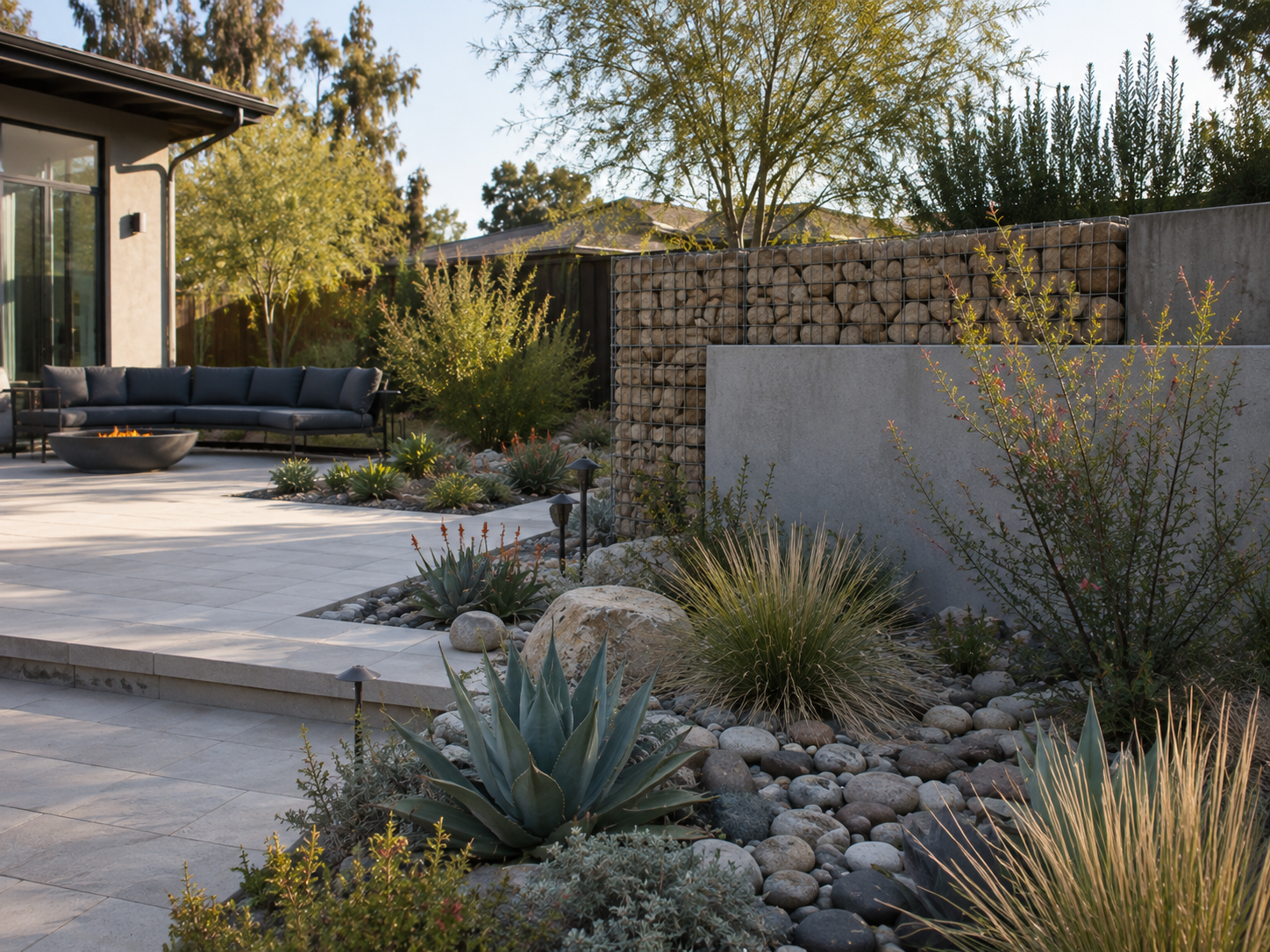
Understanding Defensible Space
Defensible space is the buffer between your home and the surrounding vegetation. Its purpose is to reduce the intensity of an approaching wildfire, slow the spread of flames, and provide firefighters with a safer area to defend your property.
California divides defensible space into three general areas:
Zone 0 – The first five feet immediately surrounding your home. This is the ember-resistant zone, where combustible materials such as bark mulch, wood chips, fallen leaves, pine needles, firewood, and other combustible debris should be removed, while any permitted vegetation should follow current state and local requirements.
Zone 1 – Under California’s general framework, Zone 1 extends from approximately five to thirty feet from the home. In San Diego County, local requirements may extend this zone to fifty feet. Vegetation should be well-maintained, properly spaced, and managed to reduce fire intensity while preserving the landscape.
Zone 2 – Under California’s general framework, Zone 2 extends from approximately thirty to one hundred feet from the home. In San Diego County, local requirements may begin this zone at fifty feet. Vegetation management focuses on reducing fuel loads, removing dead material, increasing plant spacing, and slowing the spread of wildfire.
Each zone has a different purpose, but they are designed to work together.
A properly planned landscape does not rely on a single area for protection. Instead, every zone contributes to creating a more fire-resilient property while maintaining an attractive outdoor environment.
When combined with thoughtful landscape planning, proper irrigation, appropriate Hardscape materials, and ongoing maintenance, defensible space becomes one of the most effective ways homeowners can reduce wildfire risk.
Understanding Zone 0
Zone 0 is the area extending approximately five feet outward from your home's exterior walls, including attached decks, porches, balconies, stairs, and any structures connected directly to the home.
Unlike the other defensible space zones, Zone 0 focuses on reducing the risk of ignition from wind-driven embers rather than slowing the spread of an approaching wildfire.
Within this five-foot area, every landscaping decision matters. The type of mulch you install, the plants you select, the materials used for walkways and patios, and the way your landscape is maintained can all influence how your home responds during a wildfire.
Zone 0 does not require a completely barren landscape. Under California’s Board-approved August 2026 framework, certain well-maintained non-woody plants may be permitted in portions of Zone 0 outside required vegetation-free safety buffers when applicable height, spacing, and maintenance requirements are met.
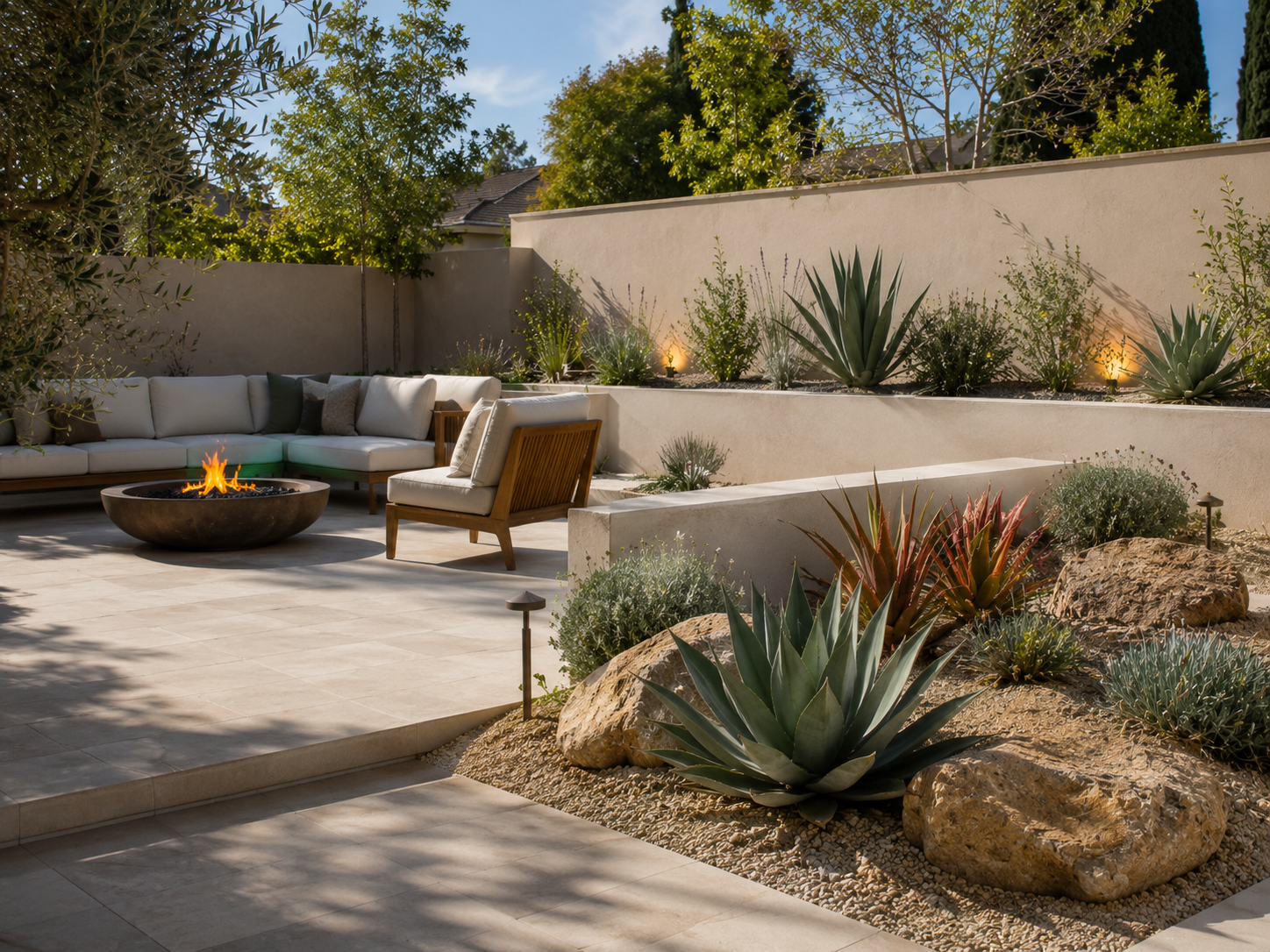
A well-designed Zone 0 can combine decorative rock, concrete, pavers, stone pathways, and other non-combustible materials with permitted vegetation placed in appropriate locations to create an attractive, functional landscape while helping reduce wildfire risk.
When incorporated into a professionally planned landscape, Zone 0 becomes part of a complete outdoor environment that balances safety, functionality, beauty, and long-term sustainability.
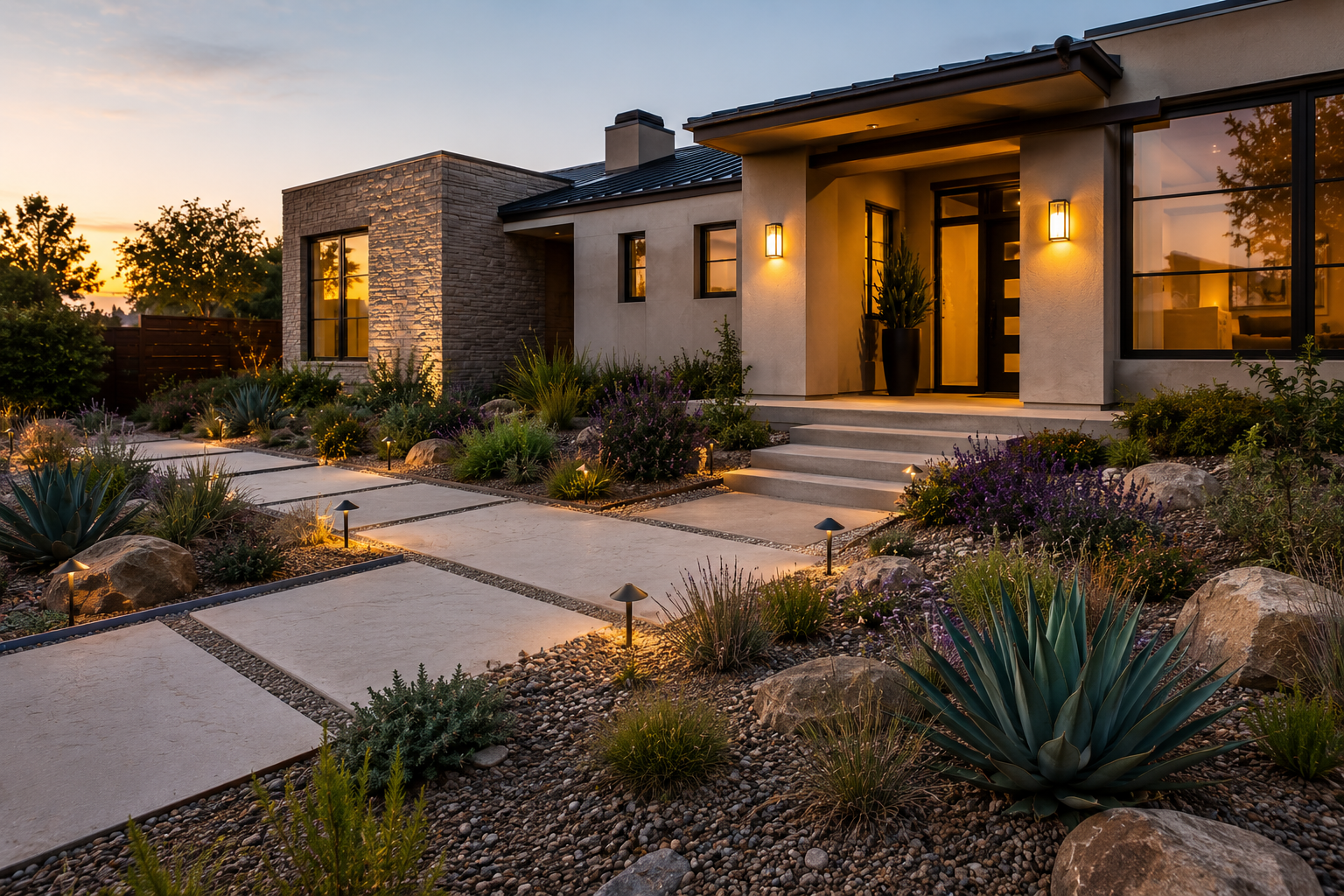
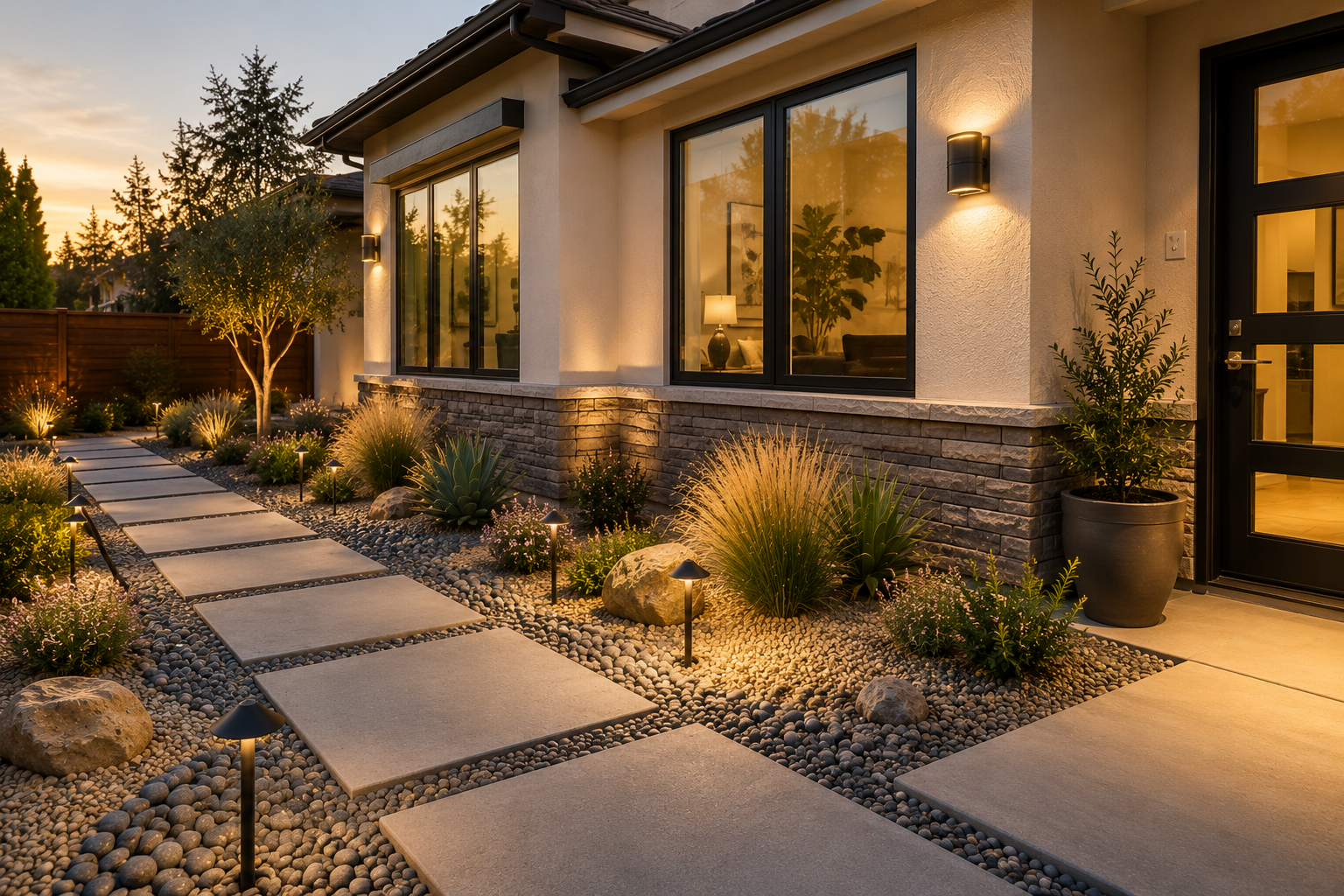
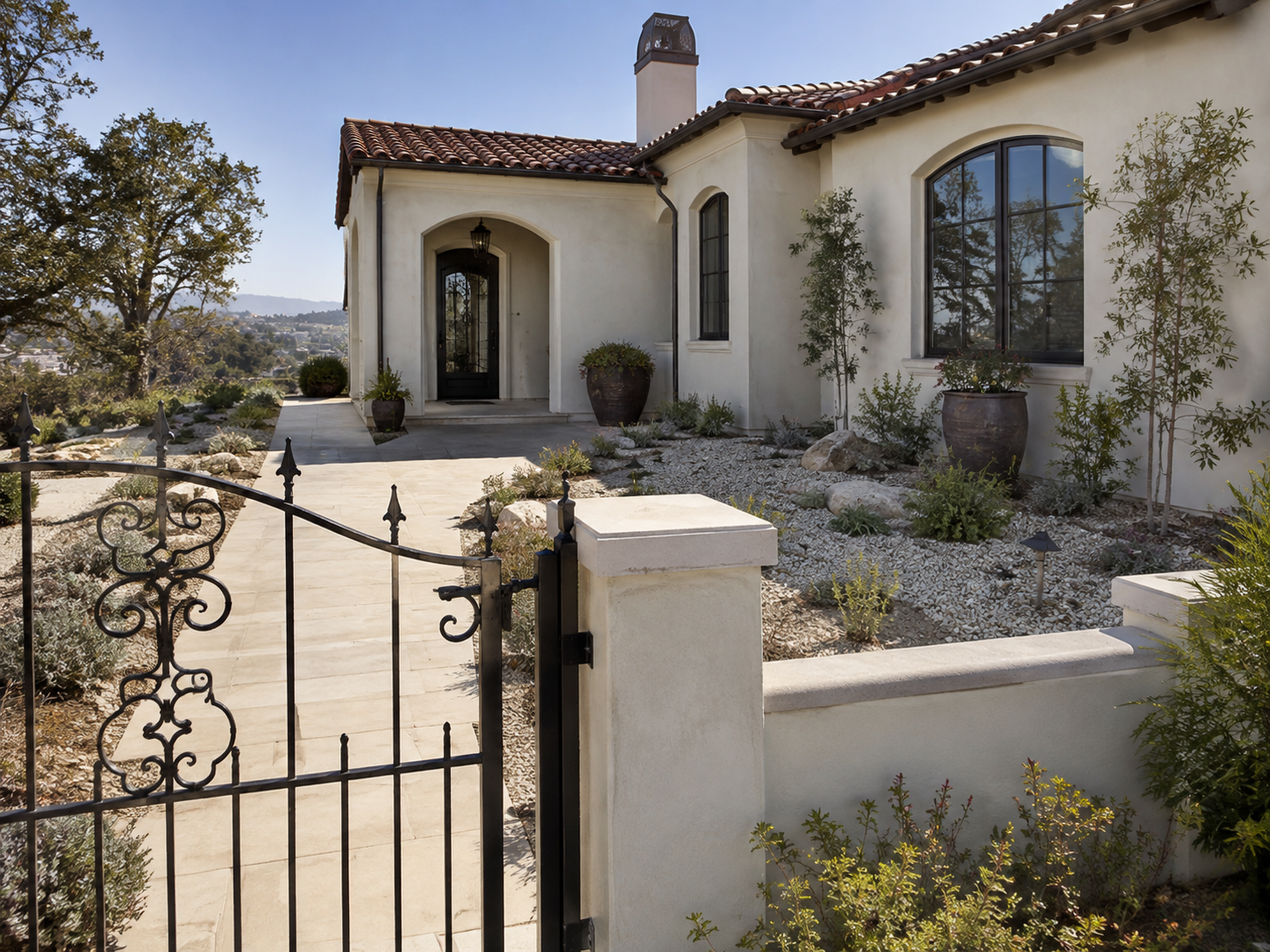
Fire-Resistant Landscape Materials
One of the most effective ways to improve the fire resilience of your property is by selecting appropriate landscape materials within Zone 0. While no material can make a home completely fireproof, choosing non-combustible or ignition-resistant materials can significantly reduce the likelihood that wind-driven embers will ignite your landscape.
Common fire-resistant materials include:
Concrete – Ideal for patios, walkways, driveways, and landscape borders. Concrete is durable, non-combustible, and requires very little maintenance.
Concrete Pavers – A popular choice for outdoor living spaces, walkways, and patios. Pavers provide excellent fire resistance while offering a wide variety of colors, textures, and patterns.
Natural Stone – Flagstone, granite, slate, and other natural stone products are attractive, durable, and highly resistant to fire.
Decorative Rock and Gravel – Decorative rock helps reduce combustible material near the home while providing an attractive, low-maintenance landscape surface. River rock, crushed granite, decomposed granite, and decorative gravel are commonly used throughout Southern California.
Masonry Walls – Concrete block, natural stone, and masonry retaining walls provide durable landscape features while creating non-combustible separation between planting areas.
Steel Landscape Edging – Steel edging creates clean planting bed transitions without introducing combustible materials into the landscape.
Under California’s Board-approved August 2026 Zone 0 framework, combustible materials such as bark mulch, wood chips, untreated wood edging, fallen leaves, pine needles, firewood, and other combustible debris should be removed from the first five feet around the structure, subject to the final effective regulations and any applicable local requirements.
Combining fire-resistant materials with proper irrigation, regular maintenance, and thoughtful Landscape Design creates an outdoor environment that is both beautiful and better prepared for California's wildfire conditions.
Plants to Avoid Near Your Home
While many plants can be incorporated into a fire-conscious landscape, some species and plant characteristics can create greater wildfire risk because they produce excessive dry material, contain flammable oils or resins, develop dense growth, or accumulate dead vegetation over time.
Plants commonly associated with higher fire risk include:
Juniper
Italian Cypress
Pampas Grass
Bamboo
Eucalyptus
Pine Trees
Cedar
Rosemary when large and woody
Arborvitae
Dense, overgrown shrubs with accumulated dead material
These examples should not be considered an official California prohibited-plant list. Plant condition, placement, spacing, and maintenance all affect wildfire risk, and all vegetation can burn under the right conditions. University of California wildfire guidance similarly emphasizes avoiding plants that accumulate dry material, create dense growth, or act as ladder fuels.
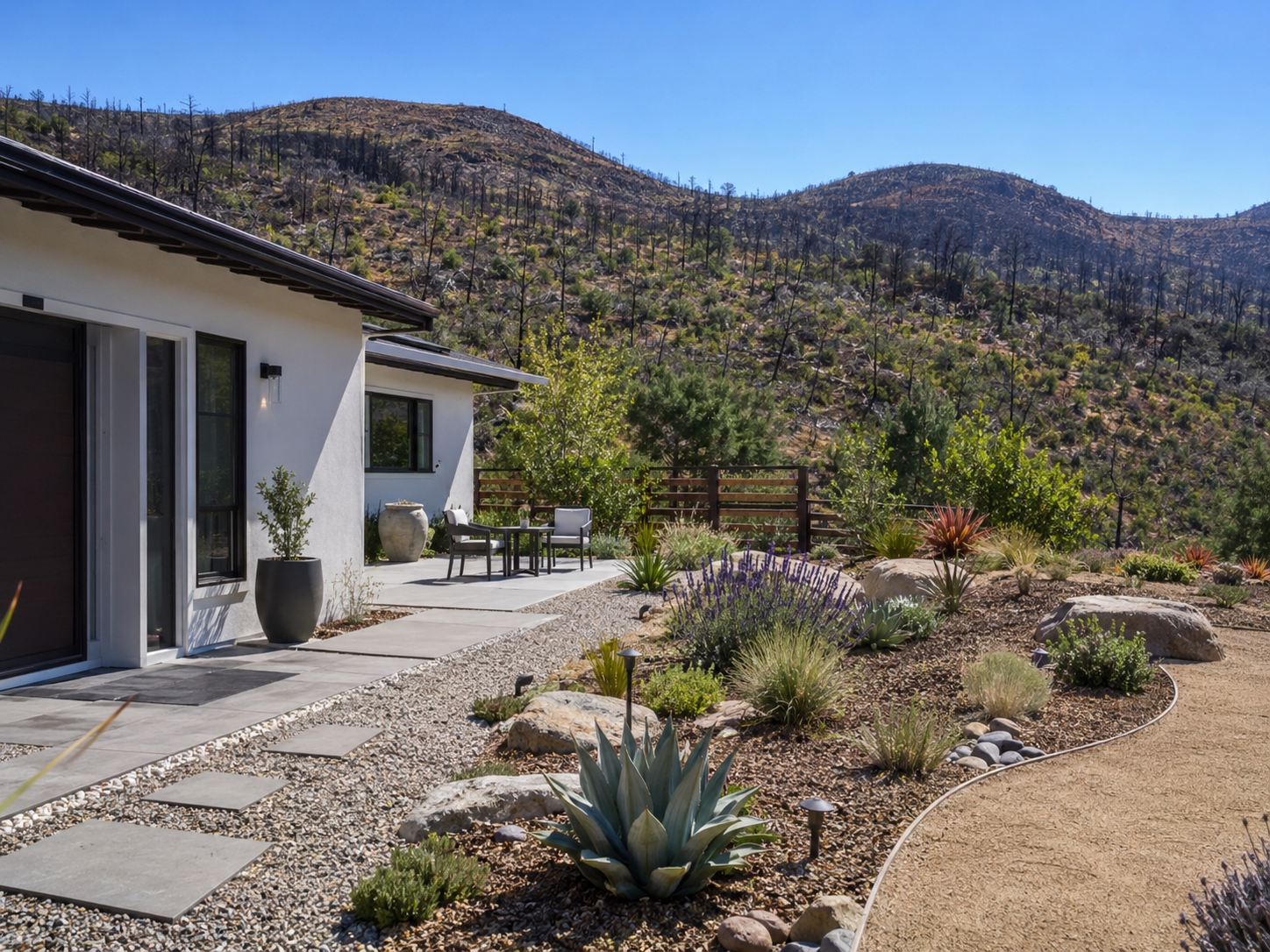
Under California’s Board-approved August 2026 Zone 0 framework, vegetation within the first five feet is subject to specific requirements. Certain well-maintained non-woody plants may be permitted outside required vegetation-free safety buffers when they meet applicable height, grouping, and spacing requirements. Existing trees may remain subject to maintenance and clearance requirements, while new trees would not be permitted within Zone 0 once the regulations take effect.
Existing landscaping should be evaluated individually rather than assuming every plant must be removed immediately. Some vegetation may need to be pruned, relocated, or removed as properties transition into compliance with the final Zone 0 requirements.
In Local Responsibility Areas, local fire agencies may authorize approved alternative practices that provide substantially similar fire-protection results, subject to applicable local approval requirements.
A fire-conscious landscape should consider the home's location, surrounding vegetation, slope, prevailing winds, irrigation, plant spacing, maintenance, and overall Landscape Design.
Tree Placement and Maintenance
Trees provide shade, beauty, privacy, wildlife habitat, and environmental benefits, but they should be carefully managed within wildfire-prone landscapes.
Proper tree placement can reduce the likelihood of fire spreading from surrounding vegetation to your home. Tree canopies should be maintained so they do not overhang roofs or touch chimneys, decks, or other structures. Regular pruning helps remove dead branches, improves airflow, and reduces the accumulation of combustible material.
Routine maintenance should include:
Removing dead branches
Pruning limbs away from structures
Removing dead leaves and debris
Maintaining proper spacing between trees
Monitoring tree health throughout the year
Existing trees may remain within Zone 0 when properly maintained and when applicable clearance requirements are met. Under California’s Board-approved August 2026 final draft, new trees would not be permitted to be planted within Zone 0 once the regulations take effect, and local requirements may be more restrictive.
Choosing the Right Mulch
Mulch provides many benefits, including moisture retention, weed suppression, improved soil health, and temperature regulation. However, not all mulch performs the same during a wildfire.
Organic mulches such as bark, shredded wood, pine needles, and wood chips are combustible and may ignite when exposed to wind-driven embers.
Under California’s Board-approved August 2026 Zone 0 framework, combustible mulch such as bark and wood chips would not be permitted within the five-foot Zone 0 area once the regulations take effect. Non-combustible ground-cover alternatives include:
Decorative rock
Gravel
Crushed stone
Decomposed granite
Cobble
Stone mulch
Organic mulch may still be appropriate in other areas of the landscape when properly maintained and located outside Zone 0, subject to applicable state and local requirements.
Hardscape Design for Zone 0
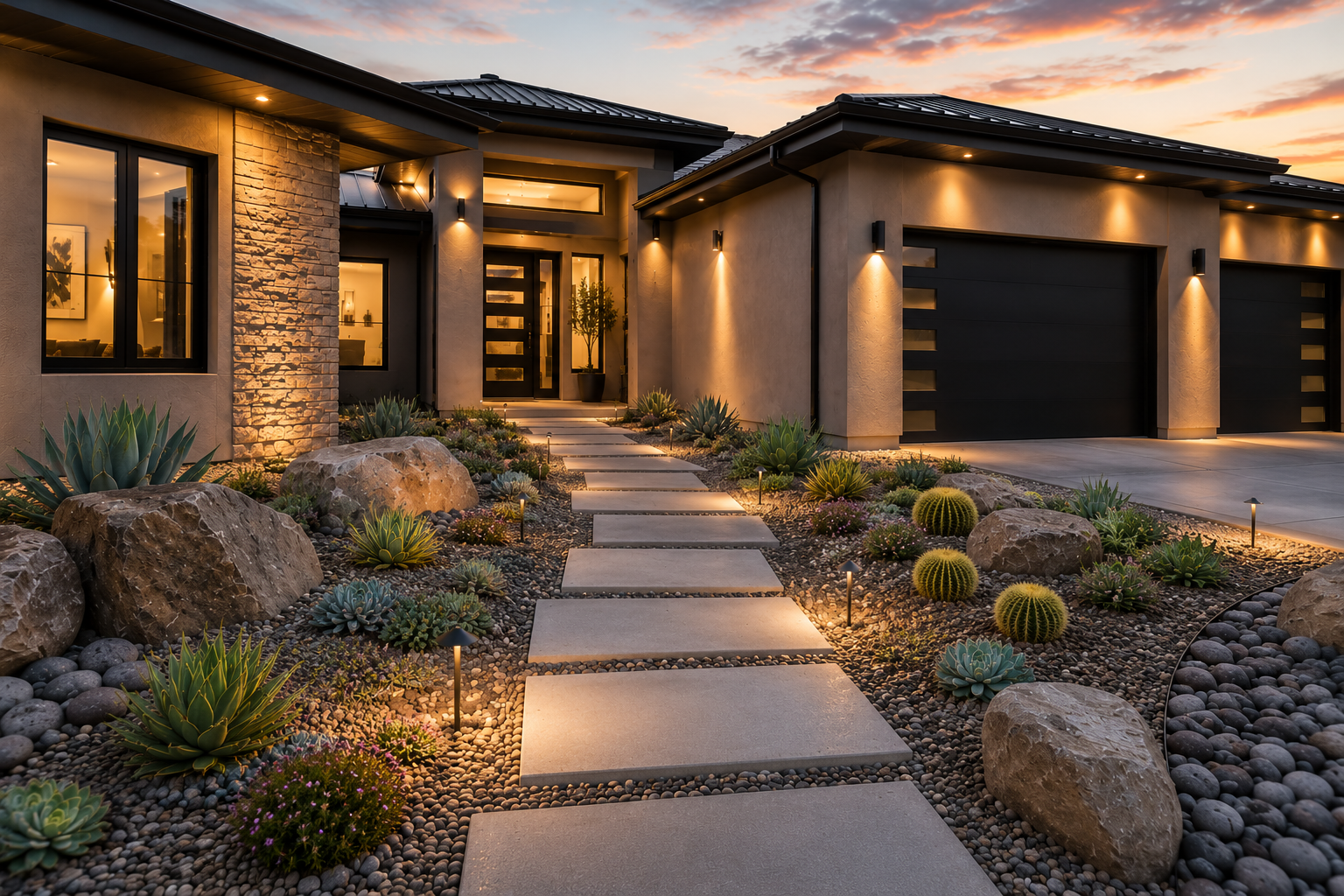
Hardscape plays an important role in creating fire-conscious landscapes.
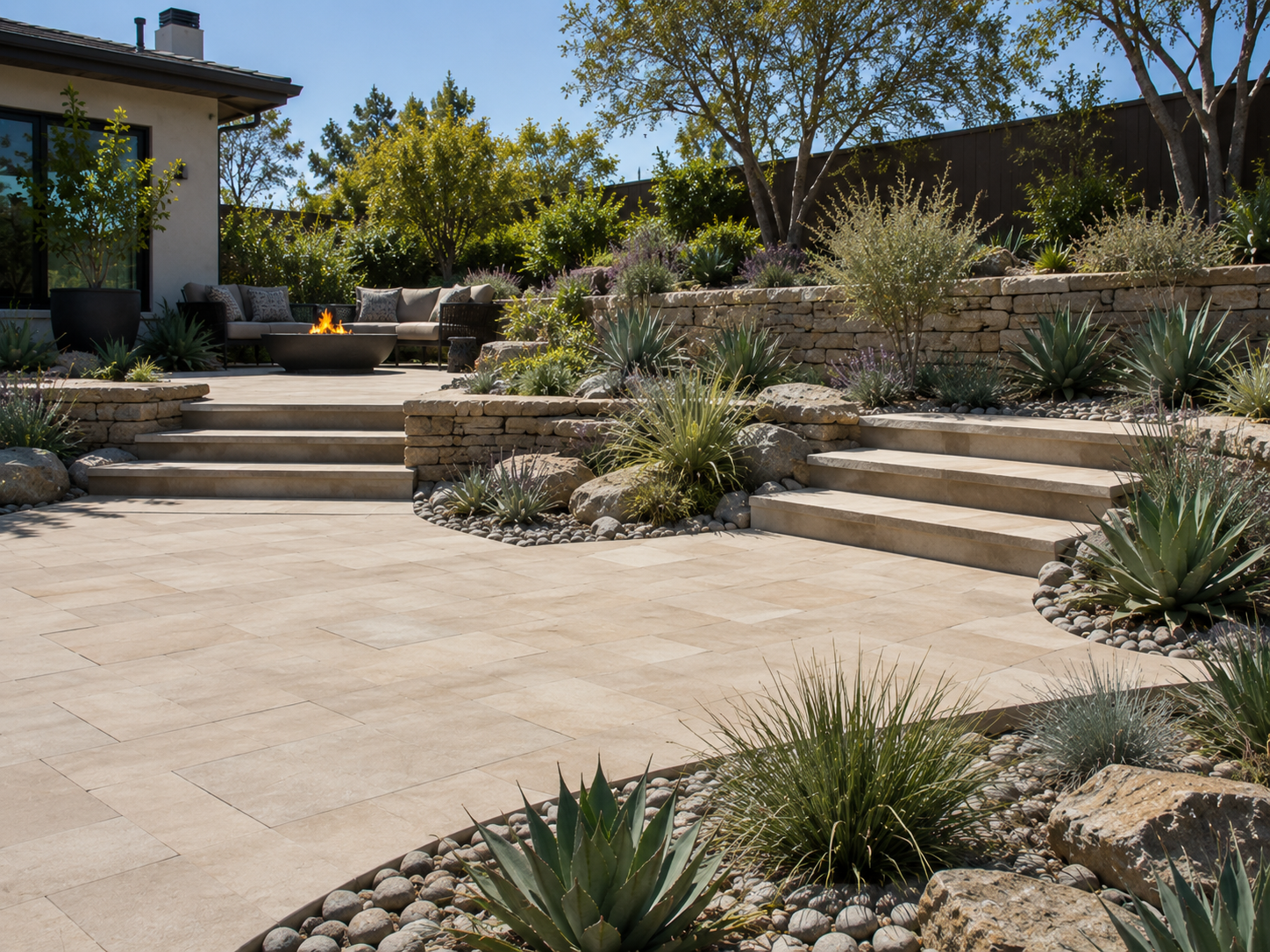
Patios, walkways, driveways, retaining walls, decorative stone, concrete, pavers, and masonry features create durable, low-maintenance outdoor living spaces while reducing combustible materials surrounding the home.
Properly designed hardscape can also improve accessibility, drainage, erosion control, outdoor entertaining, and long-term property value.
When combined with appropriate planting and irrigation, hardscape becomes one of the most effective design tools available for creating a resilient landscape.
Firewise Irrigation Strategies
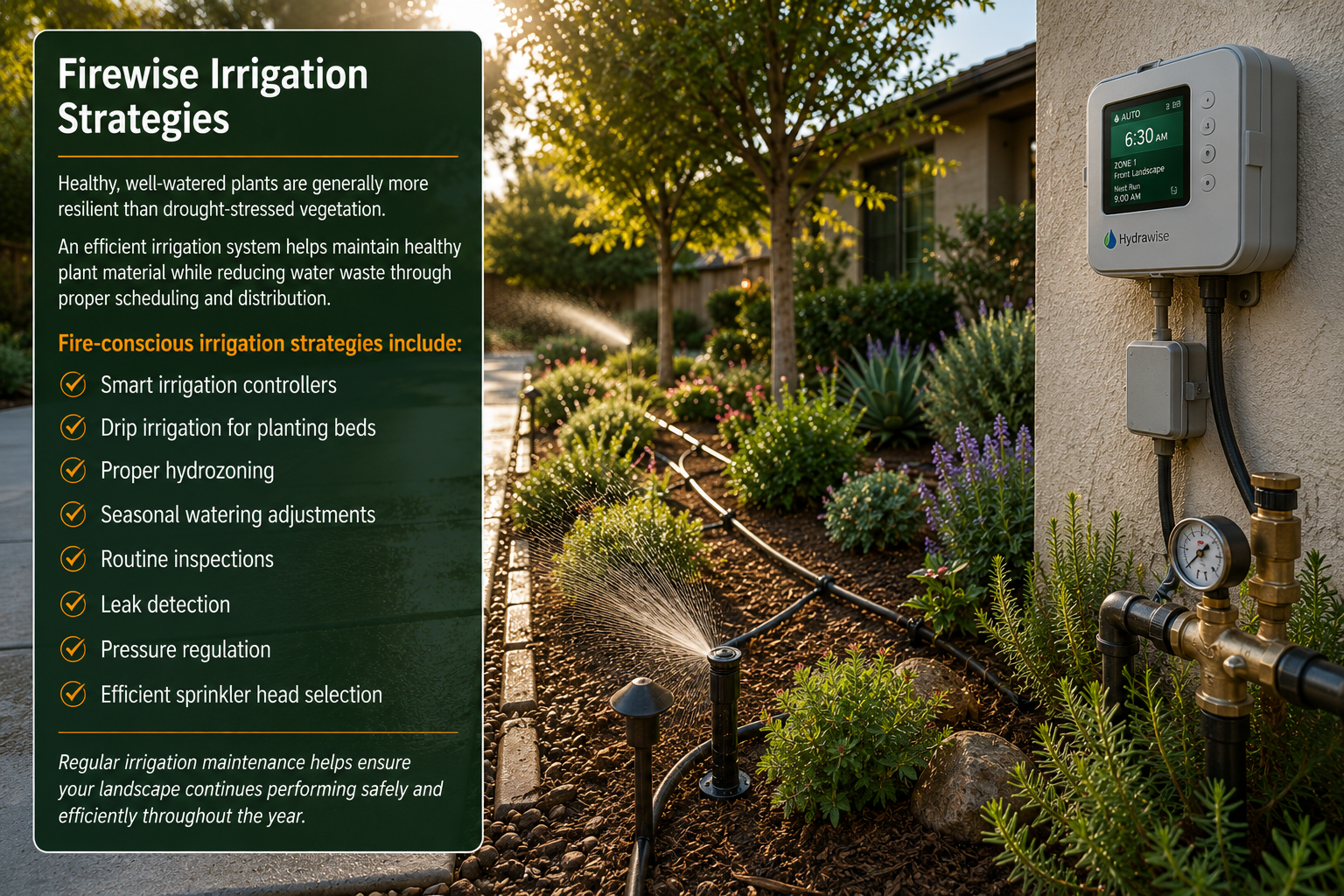
Healthy, well-watered plants are generally more resilient than drought-stressed vegetation. Proper irrigation helps plants maintain healthy growth, recover from seasonal heat stress, and better withstand the challenging environmental conditions common throughout California's wildfire-prone regions.
An efficient irrigation system helps maintain healthy plant material while reducing water waste through proper scheduling, uniform water distribution, and routine system maintenance. Well-designed irrigation delivers the right amount of water where it is needed while minimizing runoff, overspray, evaporation, and unnecessary water consumption. Regular inspections and seasonal adjustments also help identify leaks, damaged components, clogged emitters, and coverage deficiencies before they become larger problems.
Fire-conscious irrigation strategies include:
Smart irrigation controllers
Drip irrigation for planting beds
Proper hydrozoning
Seasonal watering adjustments
Routine inspections
Leak detection
Pressure regulation
Efficient sprinkler head selection
Regular irrigation maintenance helps ensure your landscape continues performing safely and efficiently throughout the year. A properly maintained irrigation system not only supports healthier plants but also reduces water waste, protects your landscape investment, and contributes to the long-term wildfire resilience of your property.
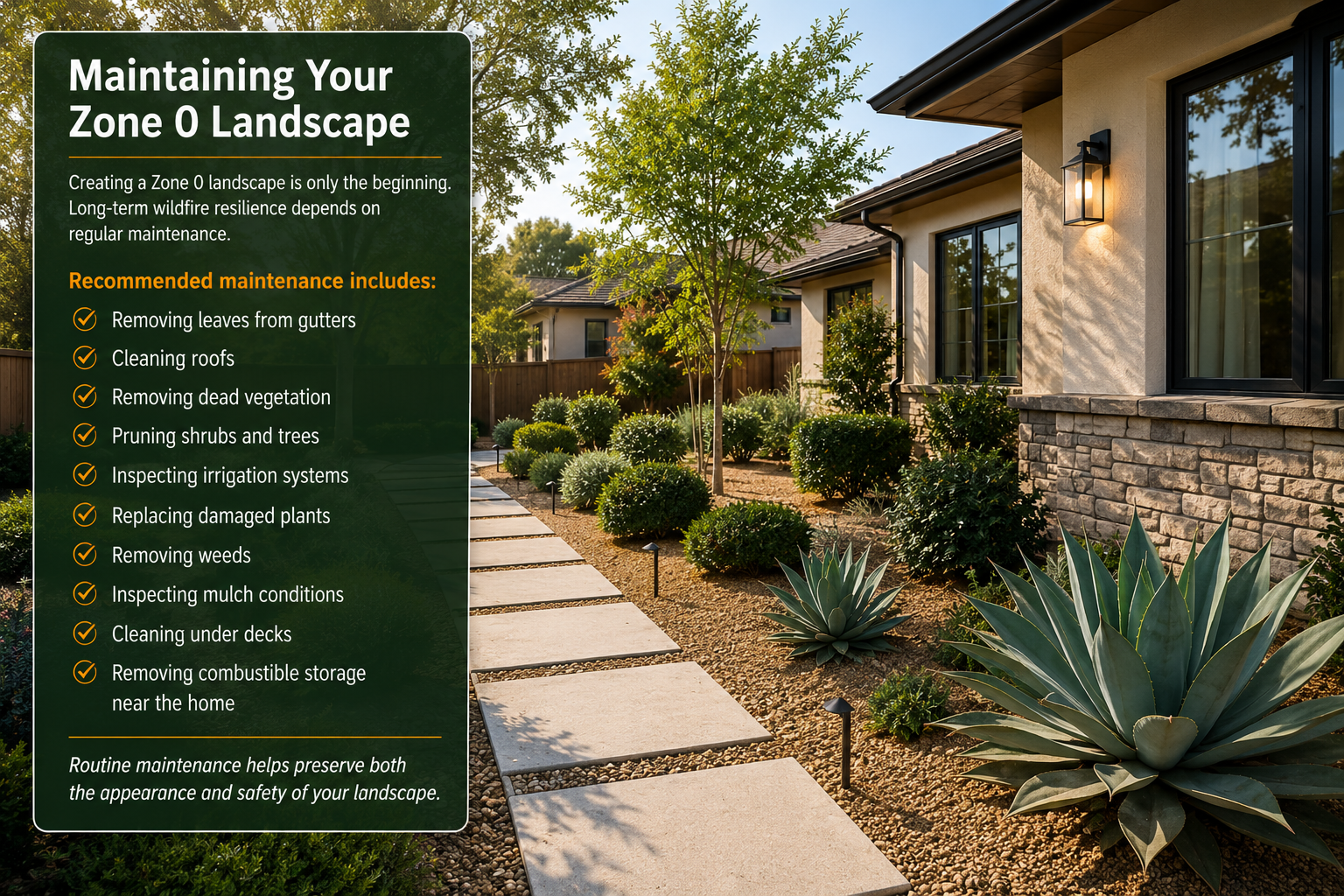
Maintaining Your Zone 0 Landscape
Creating a Zone 0 landscape is only the beginning.
Long-term wildfire resilience depends on regular maintenance.
Recommended maintenance includes:
Removing leaves from gutters
Cleaning roofs
Removing dead vegetation
Pruning shrubs and trees
Inspecting irrigation systems
Replacing damaged plants
Removing weeds
Inspecting mulch conditions
Cleaning under decks
Removing combustible storage near the home
Routine maintenance helps preserve both the appearance and safety of your landscape.
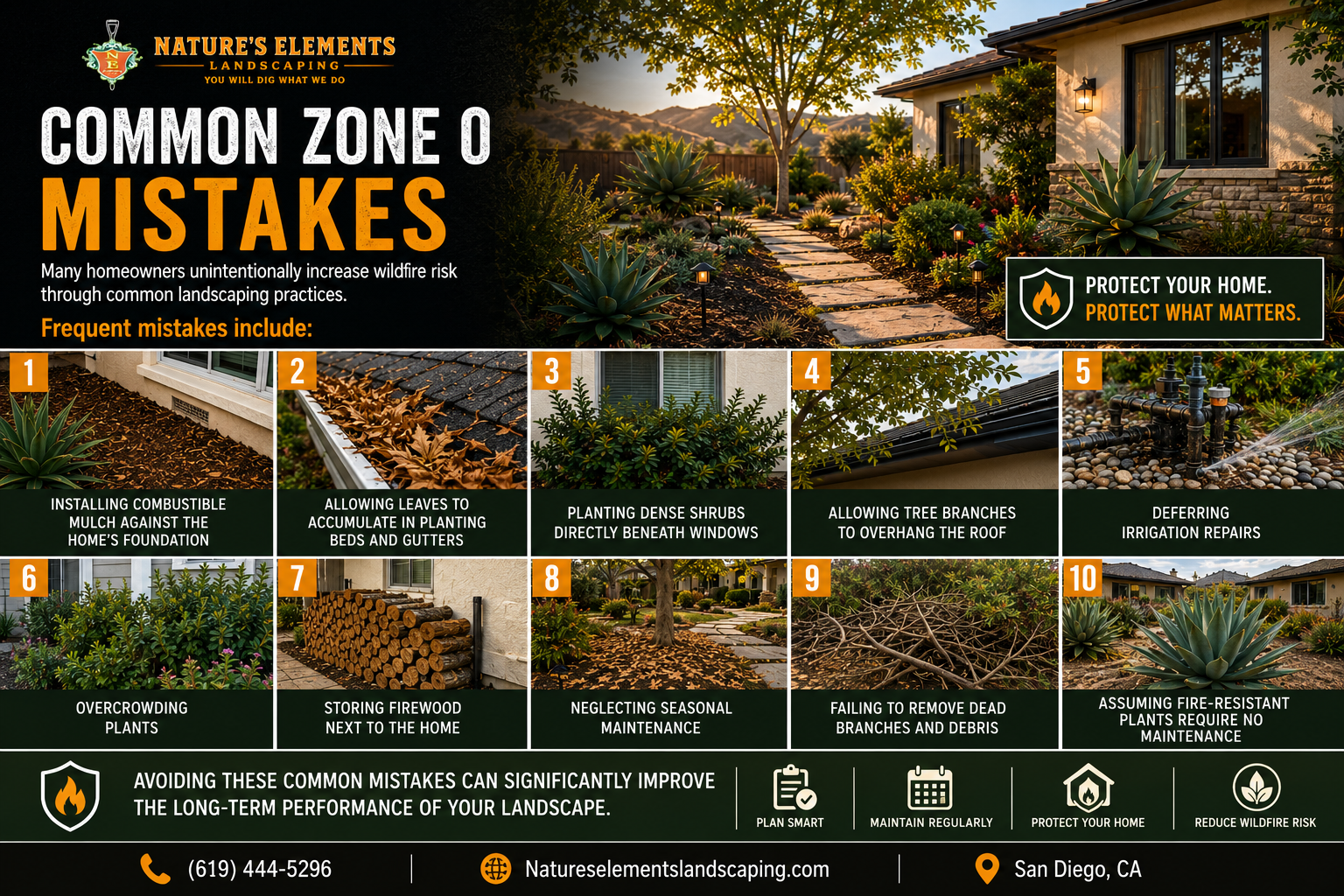
Common Zone 0 Mistakes
Many homeowners unintentionally increase wildfire risk through common landscaping practices.
Frequent mistakes include:
Using combustible mulch, including bark or wood chips, within the first five feet around the structure.
Allowing leaves to accumulate in planting beds and gutters
Planting dense shrubs directly beneath windows
Allowing tree branches to overhang the roof
Deferring irrigation repairs
Overcrowding plants
Storing firewood next to the home
Neglecting seasonal maintenance
Failing to remove dead branches and debris
Assuming fire-resistant plants require no maintenance
Avoiding these common mistakes can significantly improve the long-term performance of your landscape.
Zone 0 Is an Ongoing Commitment
Creating a Zone 0 landscape is not a one-time project.
Plants grow, mulch decomposes, irrigation systems require maintenance, and seasonal weather conditions change throughout the year.
Regular inspections and routine maintenance help ensure your landscape continues to perform as intended while maintaining both its appearance and wildfire resilience.
Small maintenance tasks performed consistently are often the most effective way to reduce long-term wildfire risk.
Zone 0 Quick Checklist
Use this checklist as a starting point when evaluating the area immediately surrounding your home.
Remove dry leaves, pine needles, and accumulated debris.
Keep roofs and gutters clean.
Do not use combustible bark or mulch within the first five feet.
Maintain healthy, properly irrigated plants.
Prune trees and shrubs regularly.
Remove dead branches and dying vegetation.
Keep tree branches away from roofs and chimneys.
Inspect irrigation systems for leaks and proper operation.
Store firewood and combustible materials away from the home.
Inspect your landscape regularly throughout the year, especially before wildfire season.
Frequently Asked Questions
-
No. The Board-approved final draft of California’s Zone 0 regulations allows certain well-maintained, non-woody plants in portions of the first five feet, provided they are outside required vegetation-free safety buffers and meet spacing and maintenance requirements. Existing trees may remain if properly maintained, while new trees would not be allowed in Zone 0 once the regulations take effect. Local requirements may vary, so property owners should confirm current requirements with their local fire authority.
-
Requirements continue to evolve. Homeowners should always verify local regulations, building codes, and wildfire requirements that apply to their property.
-
No. Decorative rock, decomposed granite, pavers, concrete, natural stone, and other non-combustible materials are commonly used.
-
Absolutely. Patios, outdoor kitchens, seating areas, decorative stone, pavers, and other hardscape features are often excellent components of a well-designed Zone 0 landscape.
-
No plant is completely fireproof. Many succulents have higher moisture content and may perform better than highly resinous plants, but proper maintenance remains essential.
-
Not necessarily. Existing trees may remain within Zone 0 under California’s Board-approved August 2026 framework when required maintenance and clearance standards are met. Once the regulations take effect, new trees would not be permitted within Zone 0, and local requirements may be more restrictive.
-
Healthy, properly irrigated landscapes generally perform better than drought-stressed landscapes. Irrigation should be properly designed, maintained, and adjusted seasonally.
-
Your landscape should be inspected regularly throughout the year, with additional maintenance before and during wildfire season.
Jesse's Professional Advice
After years of designing, building, maintaining, and repairing landscapes throughout San Diego County, I've learned that wildfire resilience isn't achieved with a single product, one specific plant, or one simple solution.
It's achieved through thoughtful planning, quality construction, proper maintenance, and informed decision-making.
One of the biggest misconceptions I hear is that Zone 0 means removing everything around your home. That simply isn't true.
The goal isn't to eliminate landscaping. The goal is to reduce ignition risks while creating an outdoor environment that remains beautiful, functional, and enjoyable for years to come.
Every property is unique. Your home's architecture, lot size, slope, existing vegetation, irrigation system, drainage, lifestyle, and long-term maintenance goals all influence the best approach to creating a successful Zone 0 landscape.
Rather than viewing Zone 0 as a separate project, I encourage homeowners to think of their landscape as one complete system. Hardscape, planting, irrigation, drainage, retaining walls, outdoor lighting, and ongoing maintenance should all work together to create a landscape that is both attractive and more resilient to wildfire.
The most successful landscapes aren't the ones with the fewest plants—they're the ones that have been thoughtfully designed, professionally installed, and properly maintained.
Beautiful landscapes and wildfire resilience are not opposing goals.
With careful planning, appropriate materials, healthy plant selection, efficient irrigation, and regular maintenance, you can create an outdoor environment that enhances the way you live while helping protect your home and family.
That's the philosophy we bring to every landscape we design.
Additional Resources
To continue learning about landscape design and wildfire-conscious outdoor living, we recommend exploring these additional resources: