
Your Neighborhood trusted CONTRACTOR
The Complete Guide to Drought-Tolerant Landscaping in San Diego
The Nature's Elements Guide to Drought-Tolerant Landscaping in San Diego
A beautiful landscape shouldn't depend on excessive water. It should be designed to thrive in the environment where it lives.
Southern California has entered a new era of Landscape Design. Homeowners throughout San Diego are rethinking traditional landscapes in favor of outdoor environments that are beautiful, functional, sustainable, and designed to flourish in our Mediterranean climate. Drought-Tolerant Landscaping has become one of the most effective ways to create an outdoor space that conserves water, reduces maintenance, supports local ecosystems, and enhances the long-term value of a home.
Unfortunately, many people still believe that Drought-Tolerant Landscaping means replacing a lawn with gravel and a few cactus plants. Nothing could be further from the truth.
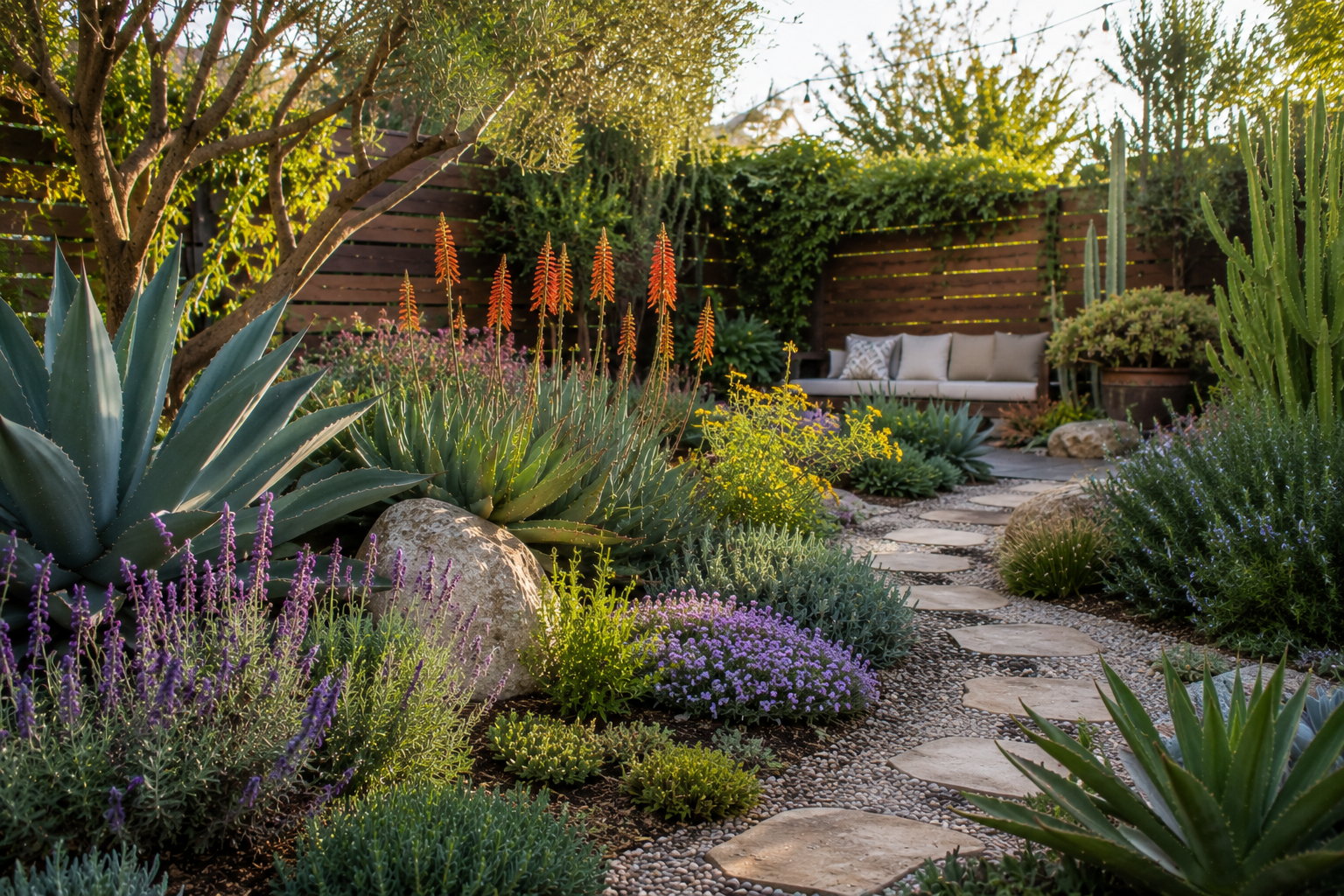
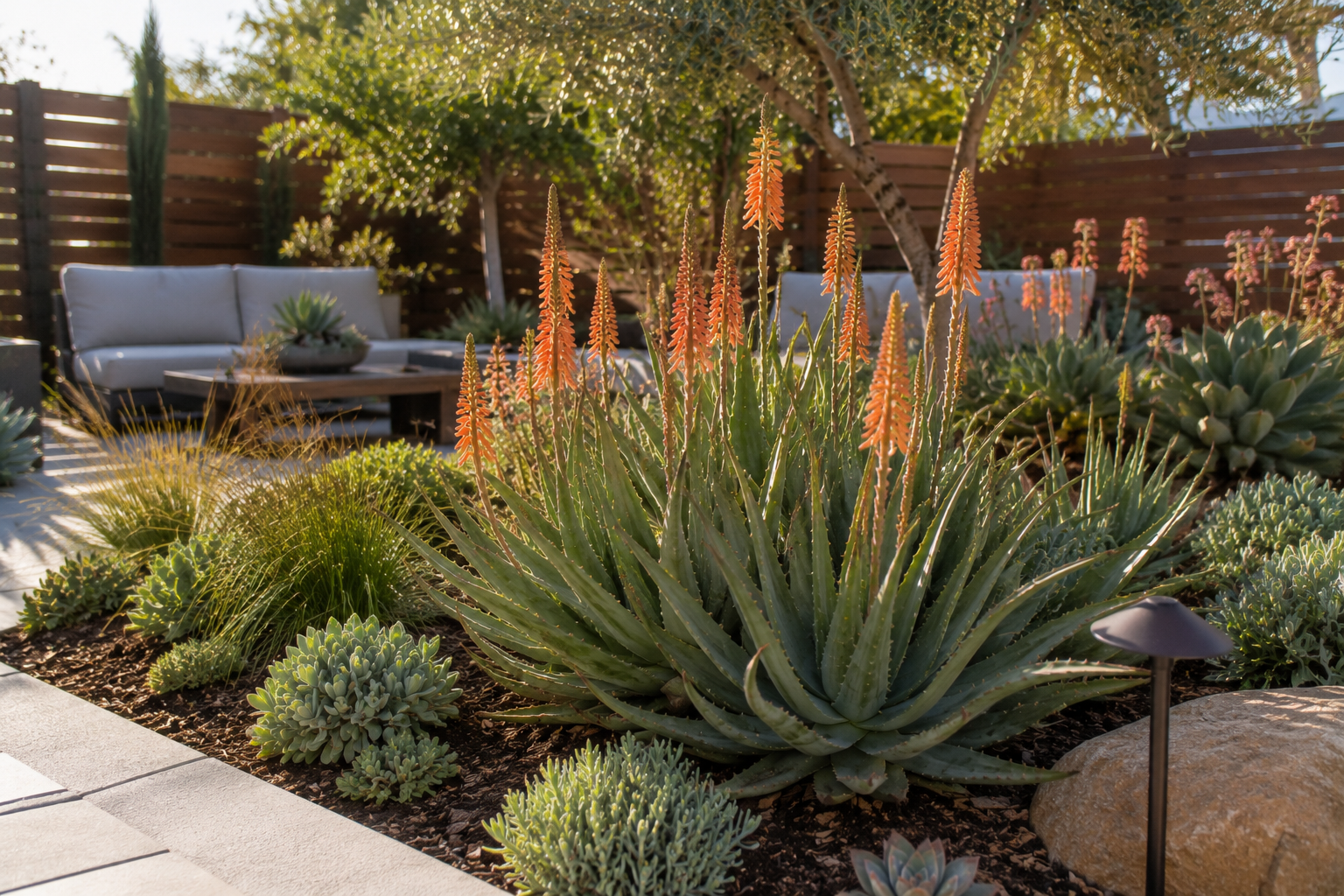
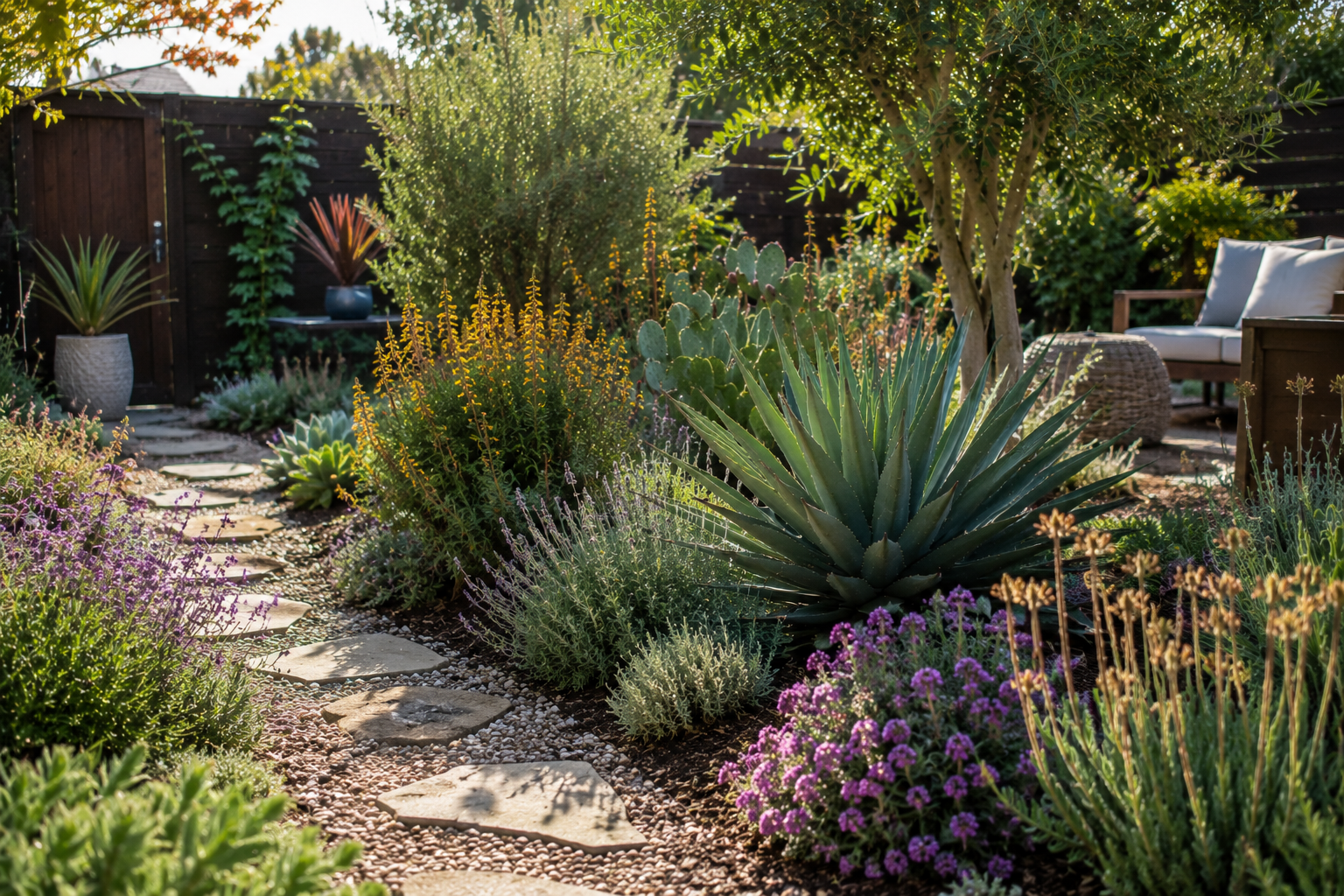
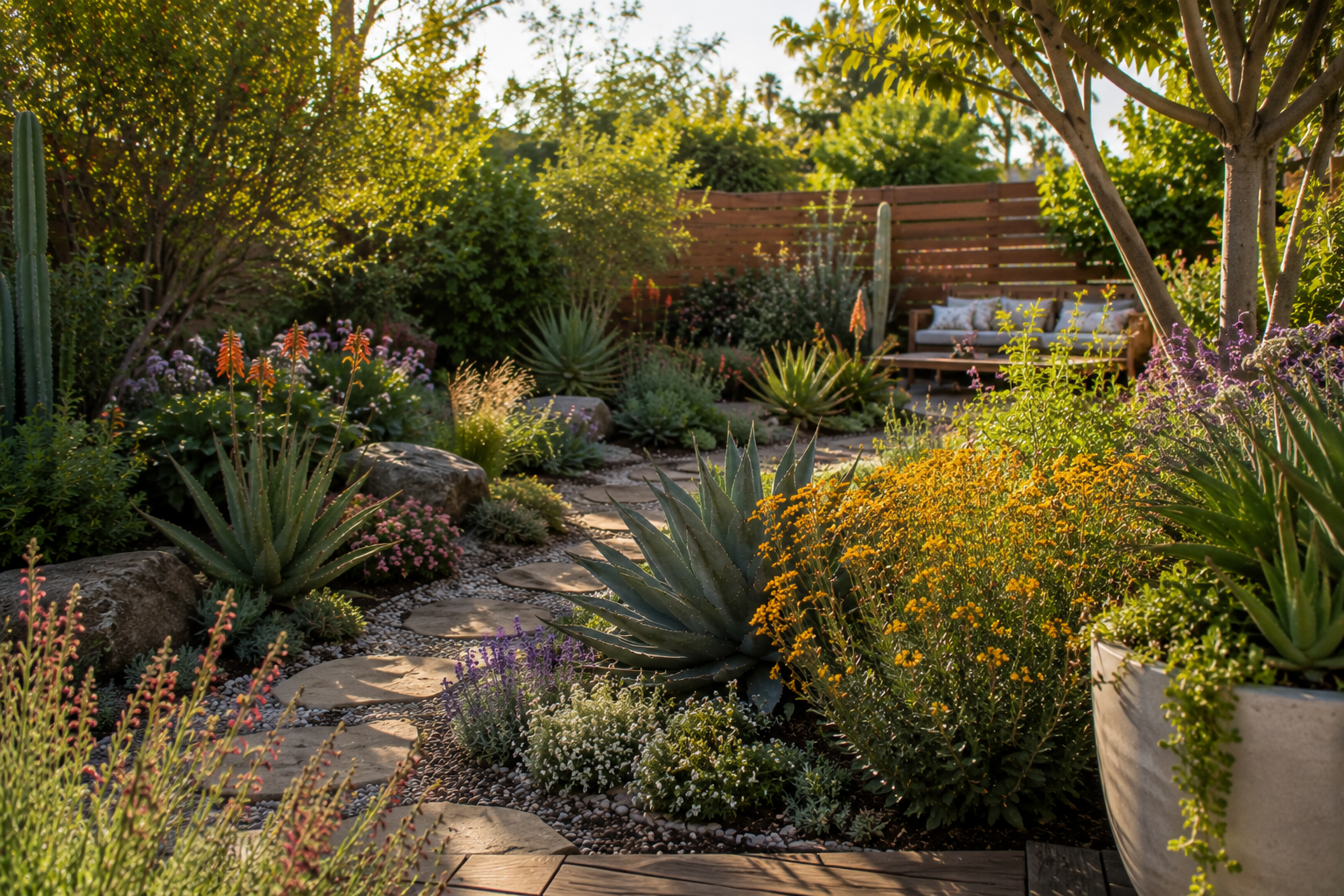
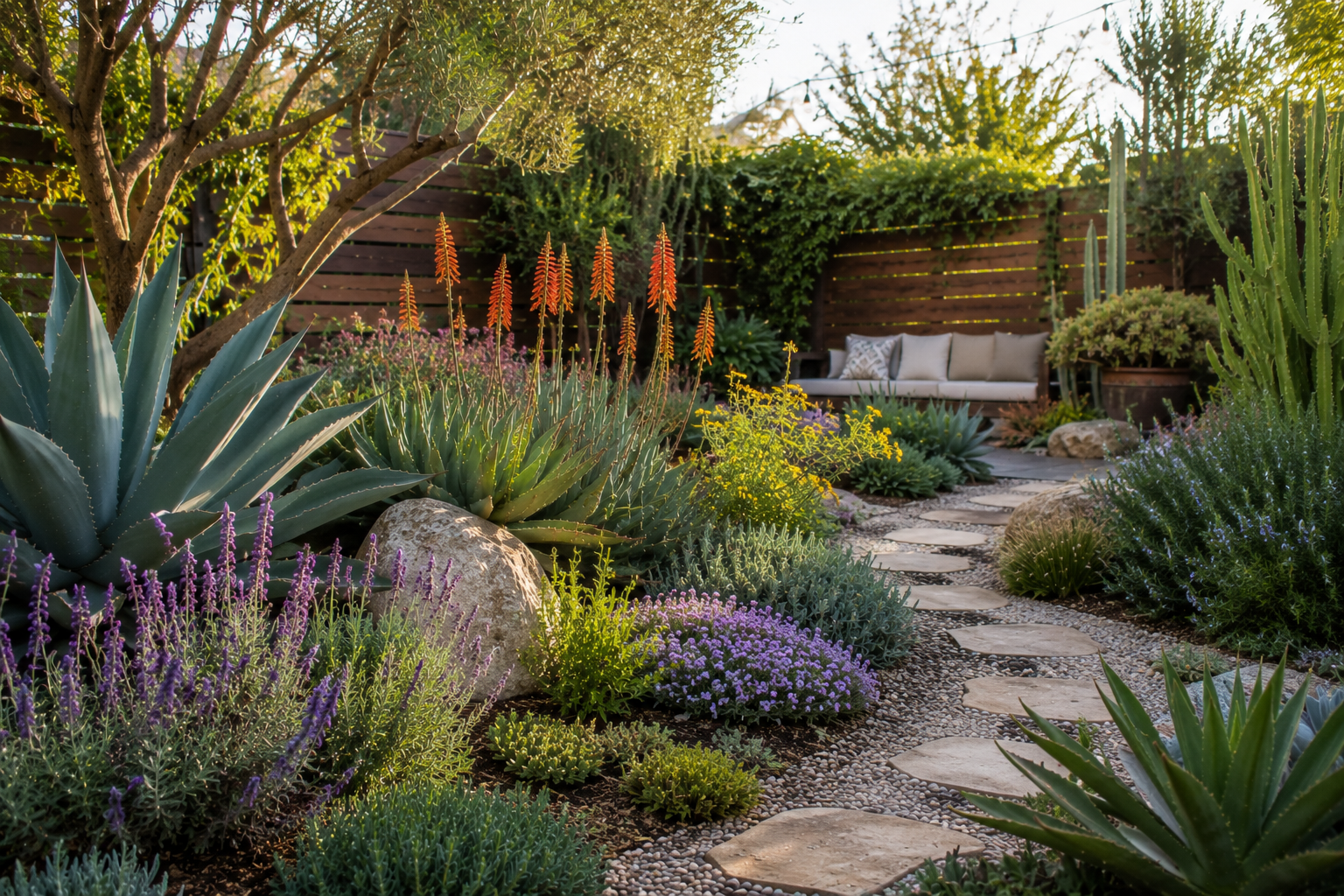
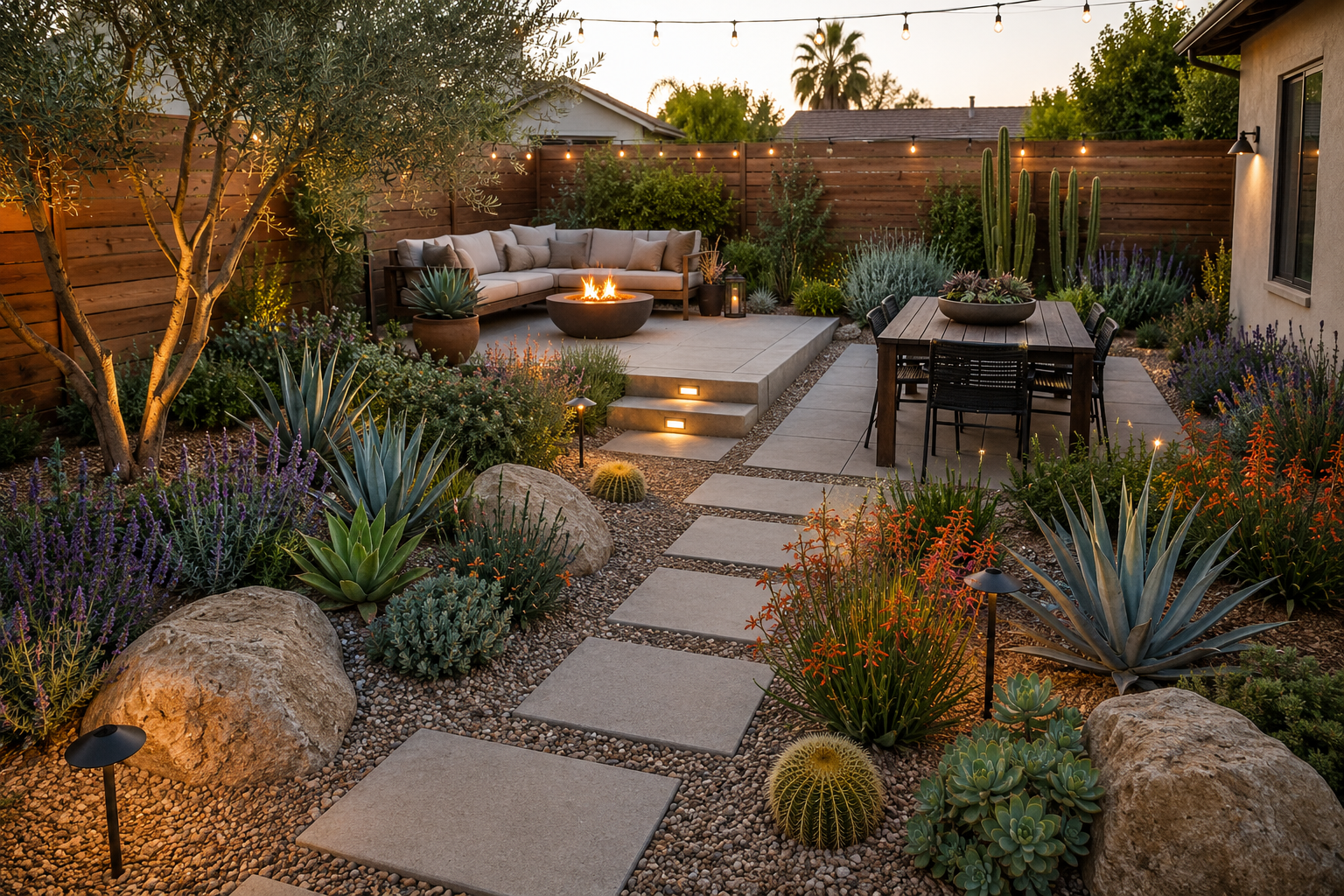
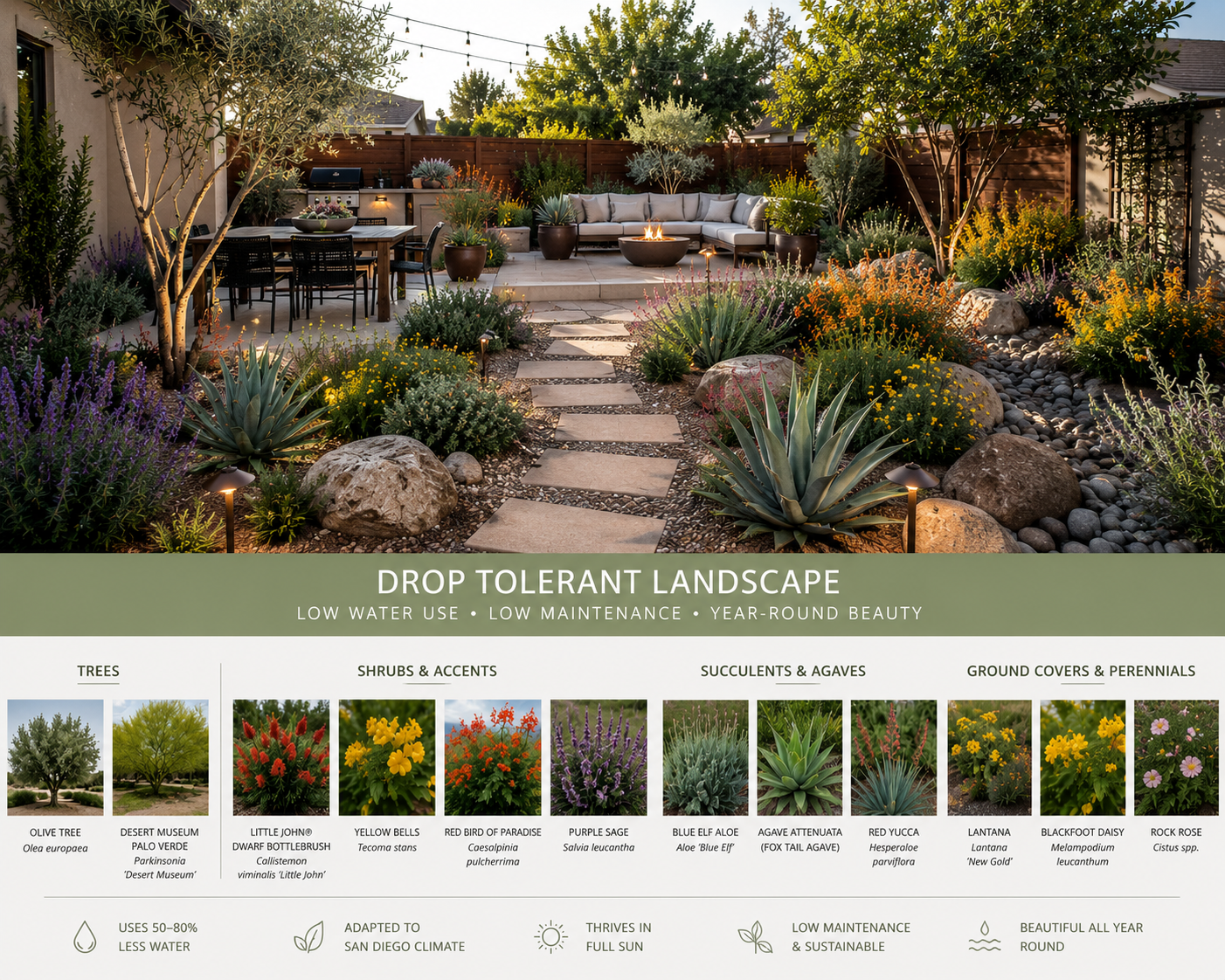
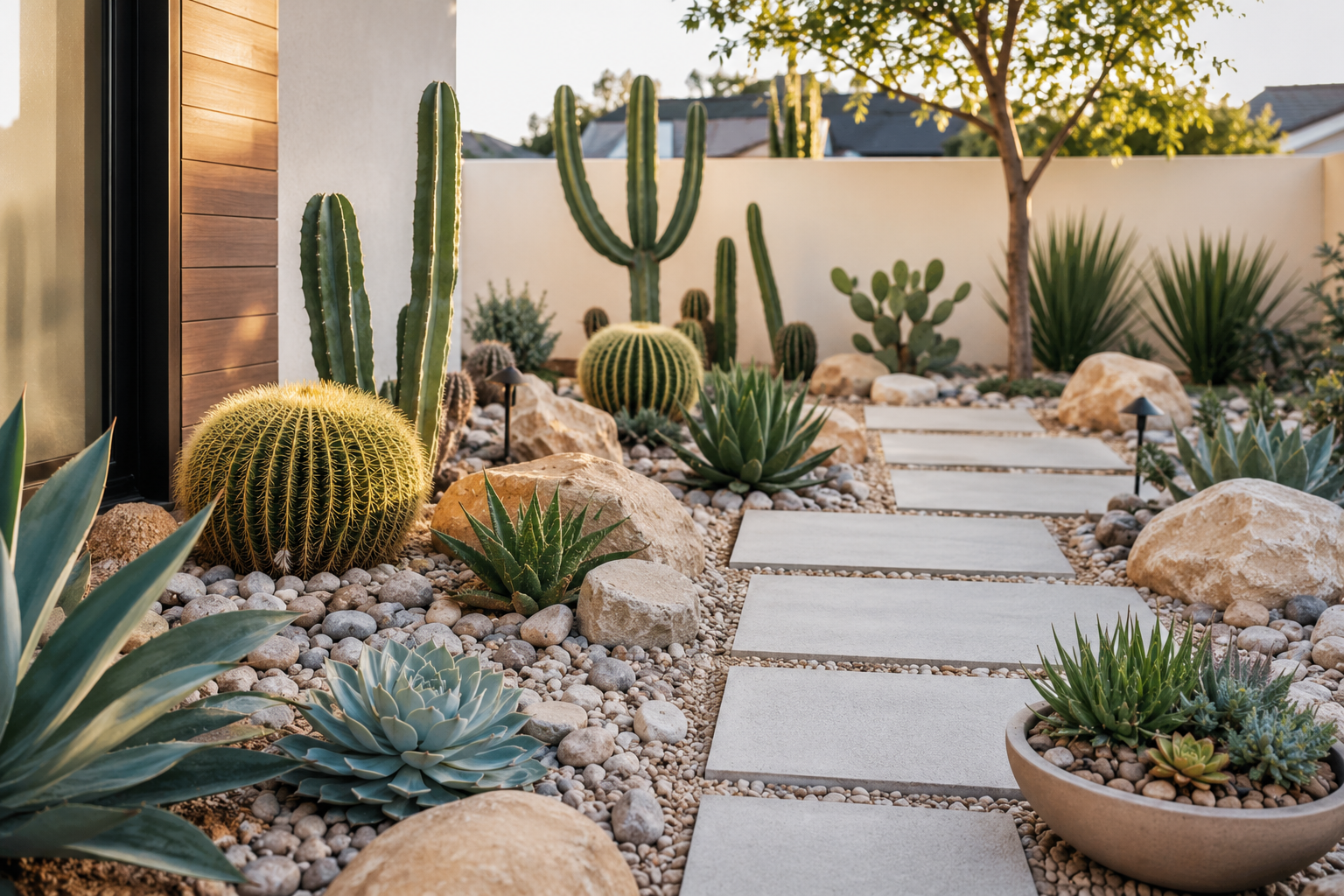
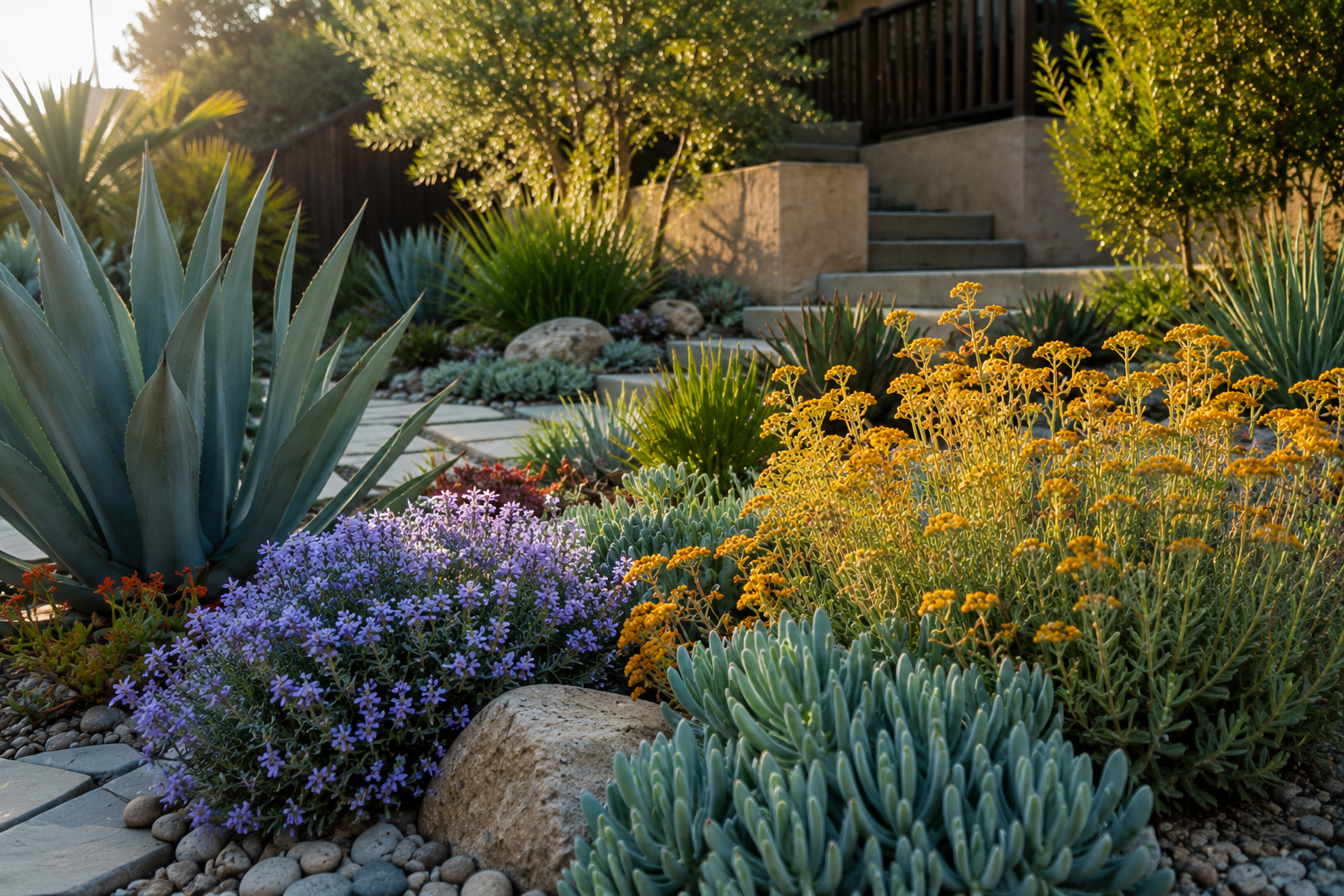
A thoughtfully designed Drought-Tolerant Landscape is rich with color, texture, seasonal interest, and outdoor living spaces. Architectural succulents, flowering perennials, ornamental grasses, specimen trees, decorative boulders, natural stone, Landscape Lighting, and inviting gathering spaces can all work together to create a landscape that feels vibrant, welcoming, and uniquely suited to Southern California.
At Nature's Elements Landscaping, we believe every successful Landscape begins with understanding the property itself. Every home has its own unique combination of climate, soil conditions, sun exposure, drainage, architecture, and lifestyle needs. A Landscape designed for a coastal home in La Jolla requires a different approach than one located in Poway, Rancho Santa Fe, Coronado, or East County. Understanding these differences is the foundation of creating a landscape that will thrive for years to come.
This guide was created to help homeowners understand not only what Drought-Tolerant Landscaping is, but how to successfully plan, design, install, and maintain a landscape that complements both their home and San Diego's unique environment. Whether you're considering a complete landscape renovation, replacing an aging lawn, upgrading your irrigation system, or simply exploring ideas for a more sustainable yard, you'll find practical information and professional guidance throughout this resource.
Our goal is simple: to provide San Diego homeowners with one of the most comprehensive and trusted resources available for designing beautiful, water-wise landscapes that are built to last.
What You'll Learn
Throughout this guide, we'll explore every major component of successful drought-tolerant landscaping, including:
Understanding the principles of Drought-Tolerant Landscape Design.
How San Diego's climate and microclimates influence plant selection.
Evaluating soil conditions, drainage, and sun exposure.
Choosing the best drought-tolerant trees, shrubs, grasses, succulents, and flowering plants.
Designing efficient Irrigation systems that promote healthy plant growth while conserving water.
Selecting Hardscape materials that complement water-wise landscapes.
Creating firewise landscapes and defensible space.
Using landscape lighting to enhance safety, beauty, and outdoor living.
Understanding maintenance requirements throughout the year.
Avoiding common landscape design mistakes.
Budgeting and planning for long-term success.
By the end of this guide, you'll have a clear understanding of how thoughtful planning, quality materials, proper plant selection, and professional installation work together to create landscapes that are beautiful, sustainable, and uniquely suited to life in San Diego.
What Is Drought-Tolerant Landscaping?
One of the most common misconceptions about drought-tolerant landscaping is that it's simply a yard with rocks and cactus. In reality, drought-tolerant landscaping is a comprehensive design philosophy focused on creating beautiful outdoor environments that thrive with significantly less water while remaining functional, inviting, and visually engaging throughout the year.
Rather than forcing water-intensive plants to survive in an environment that isn't naturally suited to them, drought-tolerant landscapes are built around plants adapted to Southern California's climate. Combined with efficient Irrigation, healthy soil, thoughtful Hardscape, and proper maintenance, these landscapes use water more responsibly while often offering greater beauty, texture, and seasonal interest than traditional landscapes.
Drought-tolerant landscaping is not about eliminating water entirely. Newly installed landscapes still require regular watering while plants establish healthy root systems, and mature landscapes benefit from efficient irrigation during extended dry periods. The goal is to use water wisely by matching the right plants to the right conditions and supporting them with smart irrigation practices.
A successful drought-tolerant landscape is also about much more than plants. Decorative stone, permeable pathways, patios, Retaining Walls, landscape lighting, dry creek beds, outdoor gathering spaces, and carefully layered planting designs all contribute to an outdoor environment that feels complete and intentional.
When thoughtfully designed, a drought-tolerant landscape doesn't simply survive San Diego's climate—it belongs here.
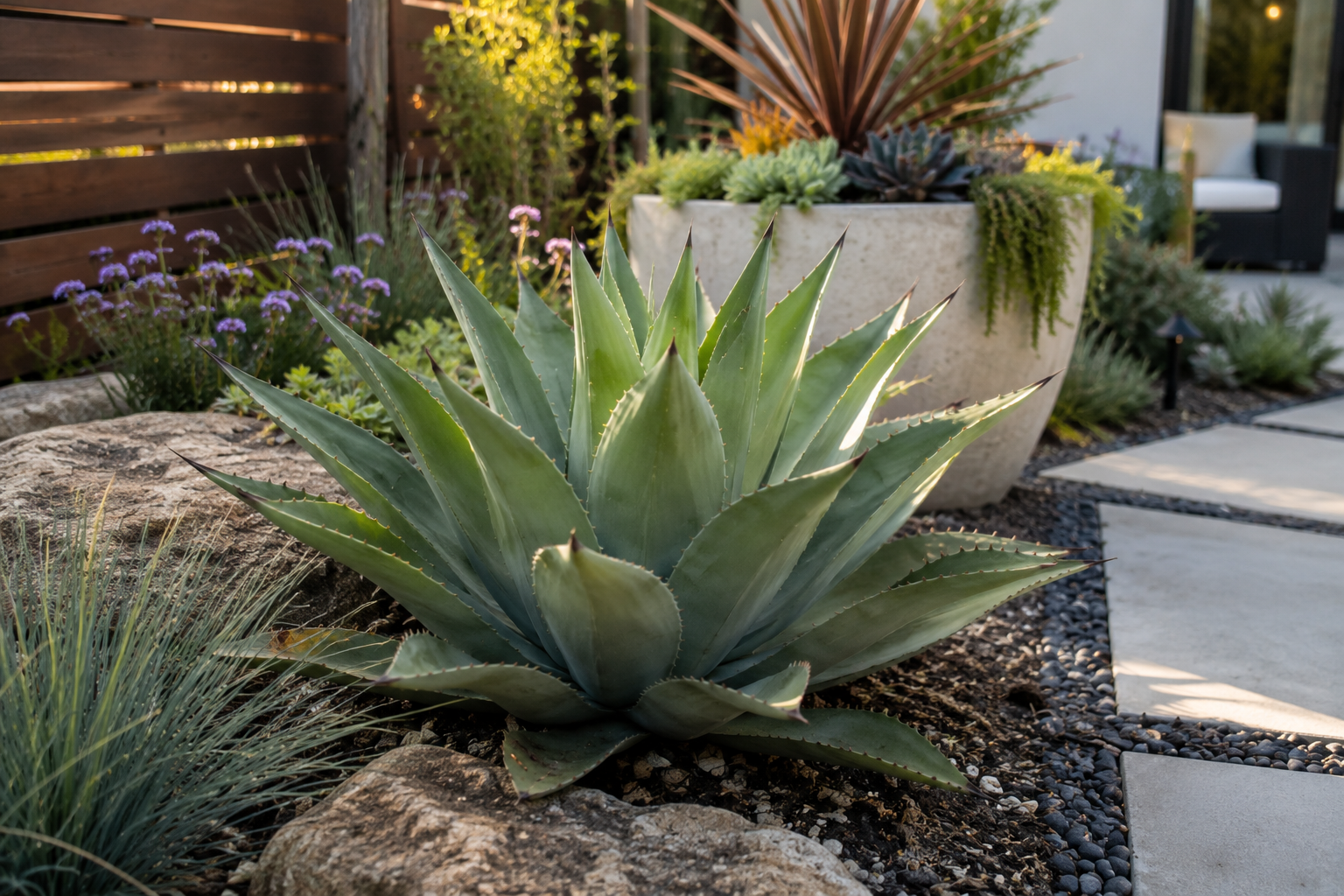
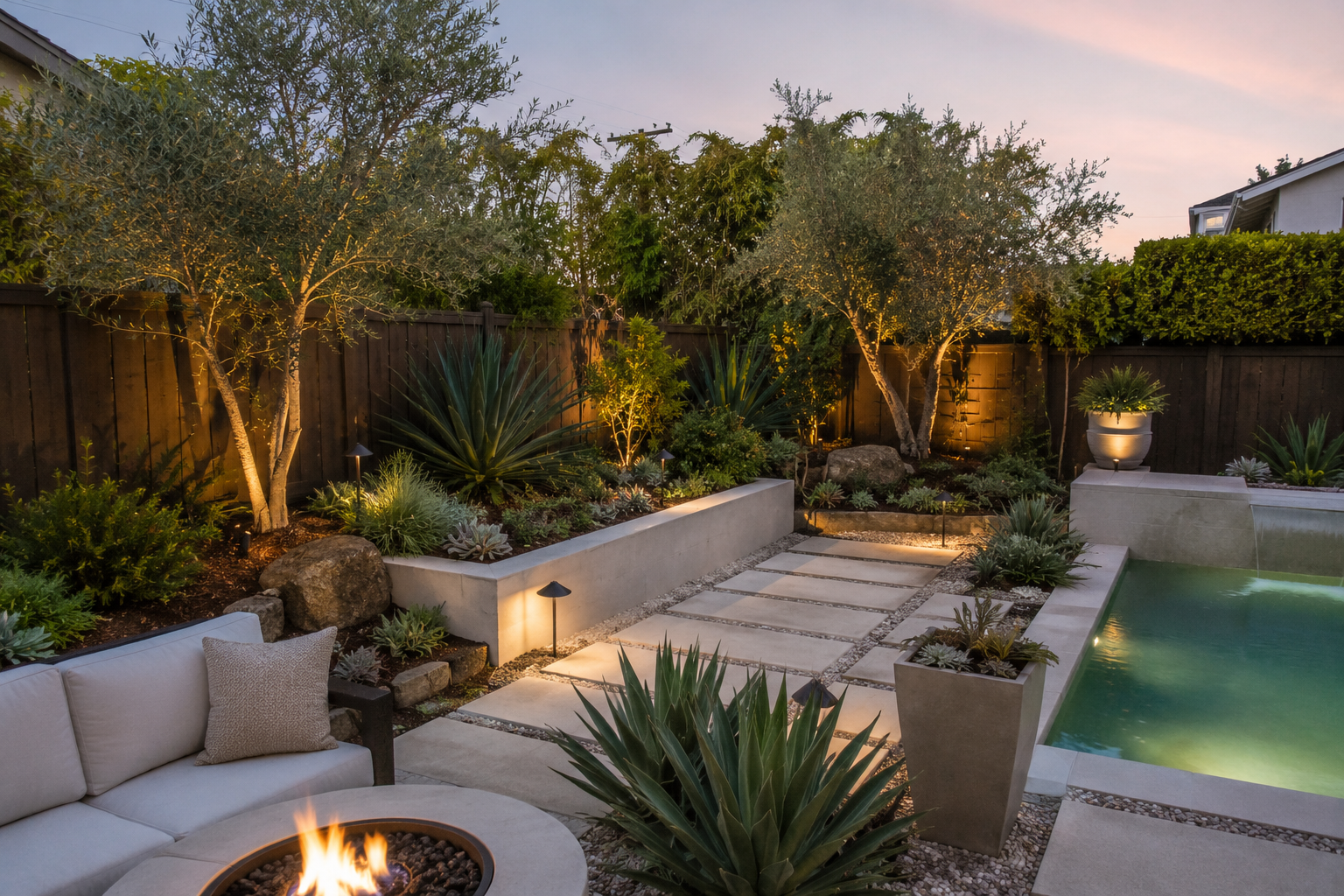
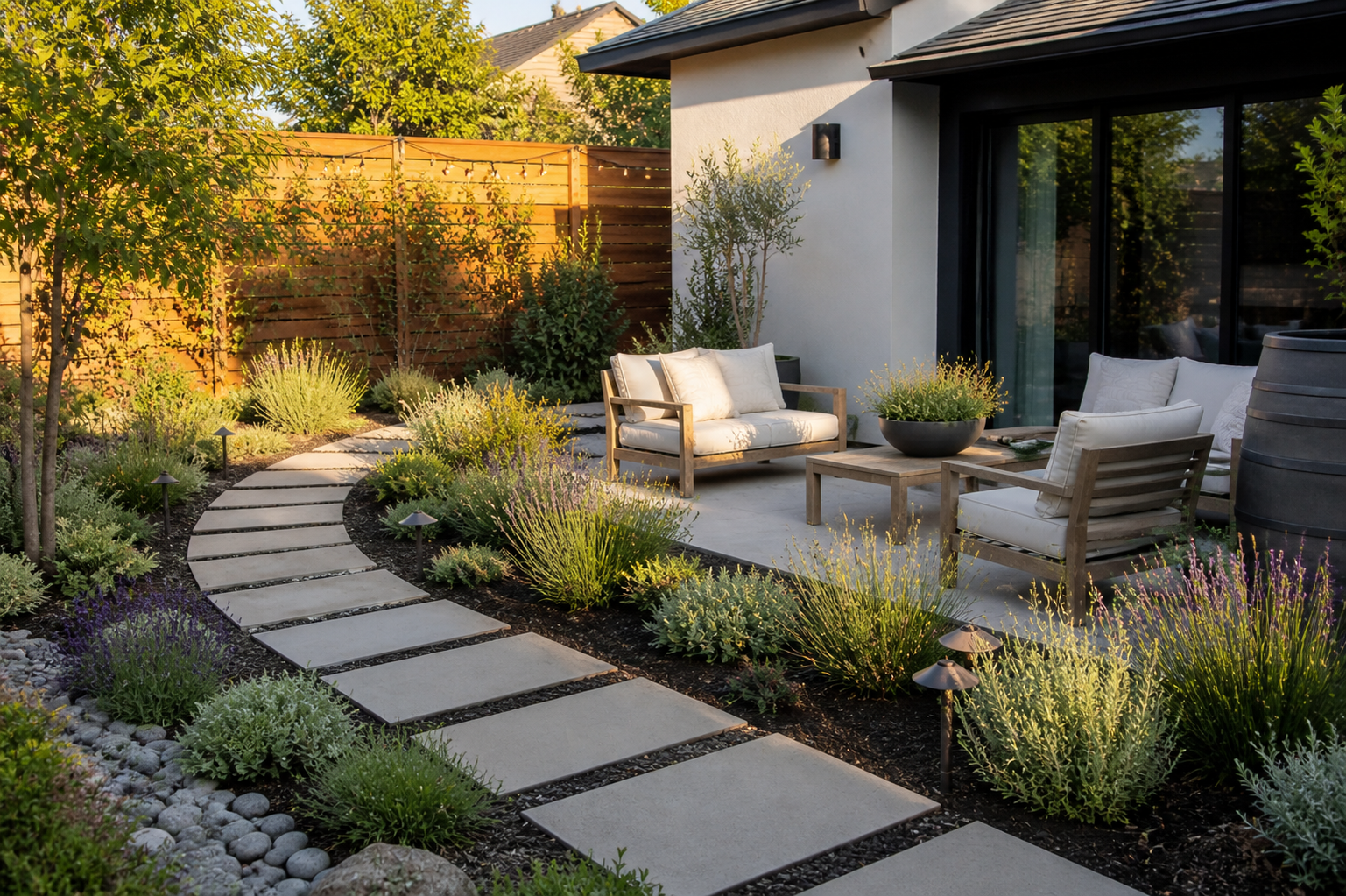
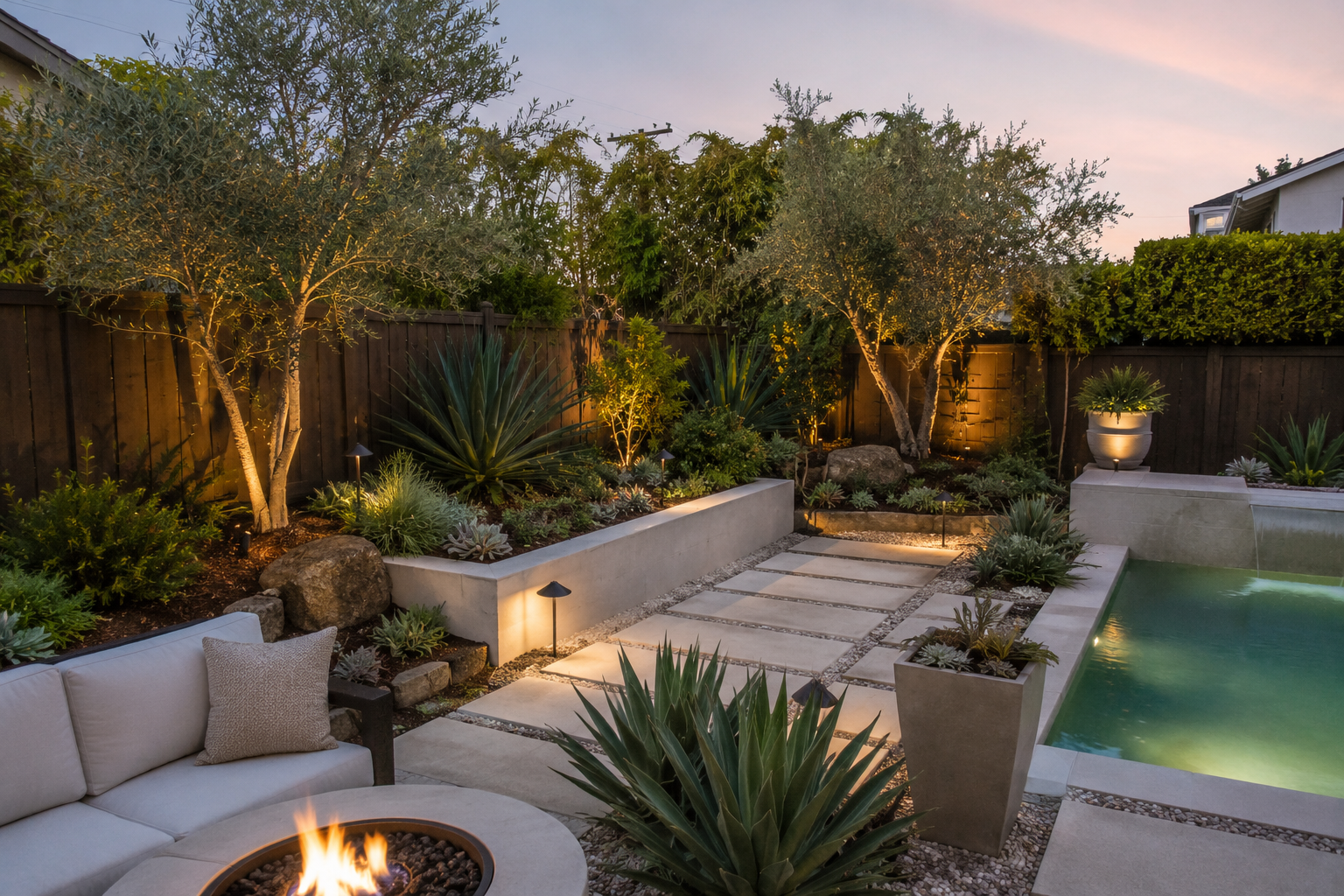
Why Drought-Tolerant Landscaping Is the Ideal Choice for San Diego
San Diego's Mediterranean climate is unlike most regions of the country. Warm, dry summers, mild winters, extended periods without measurable rainfall, and increasing water conservation efforts have changed the way homeowners think about their landscapes. Rather than fighting the climate, drought-tolerant landscaping embraces it by creating outdoor environments that naturally perform well under local conditions.
A properly designed drought-tolerant landscape offers far more than reduced water consumption. It provides long-term beauty, healthier plants, lower maintenance requirements, and outdoor spaces that remain enjoyable throughout the year. By selecting plants that are naturally adapted to Southern California and combining them with efficient Irrigation systems, quality Hardscape materials, and thoughtful design, homeowners can enjoy landscapes that continue to mature beautifully while requiring fewer resources to maintain.
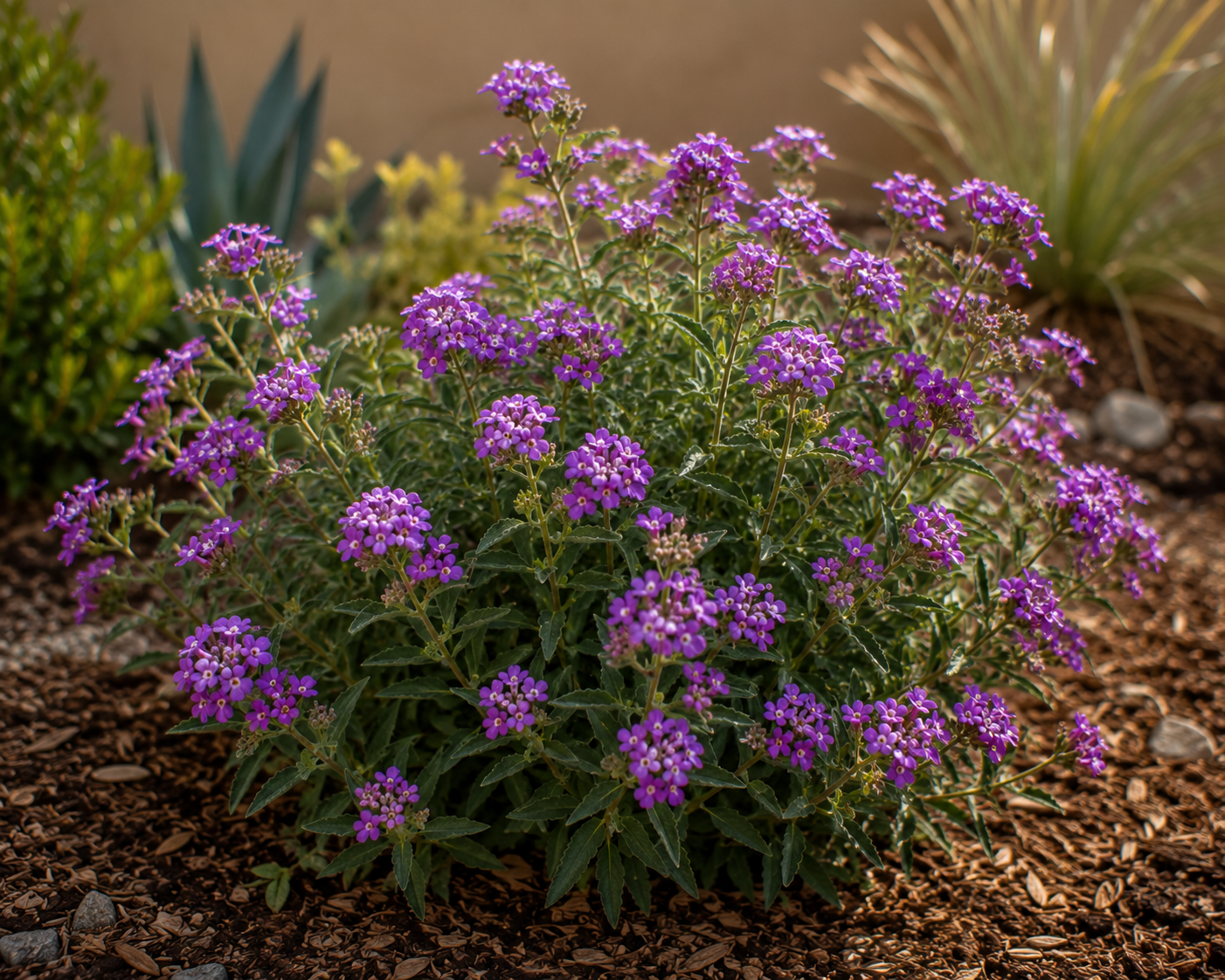
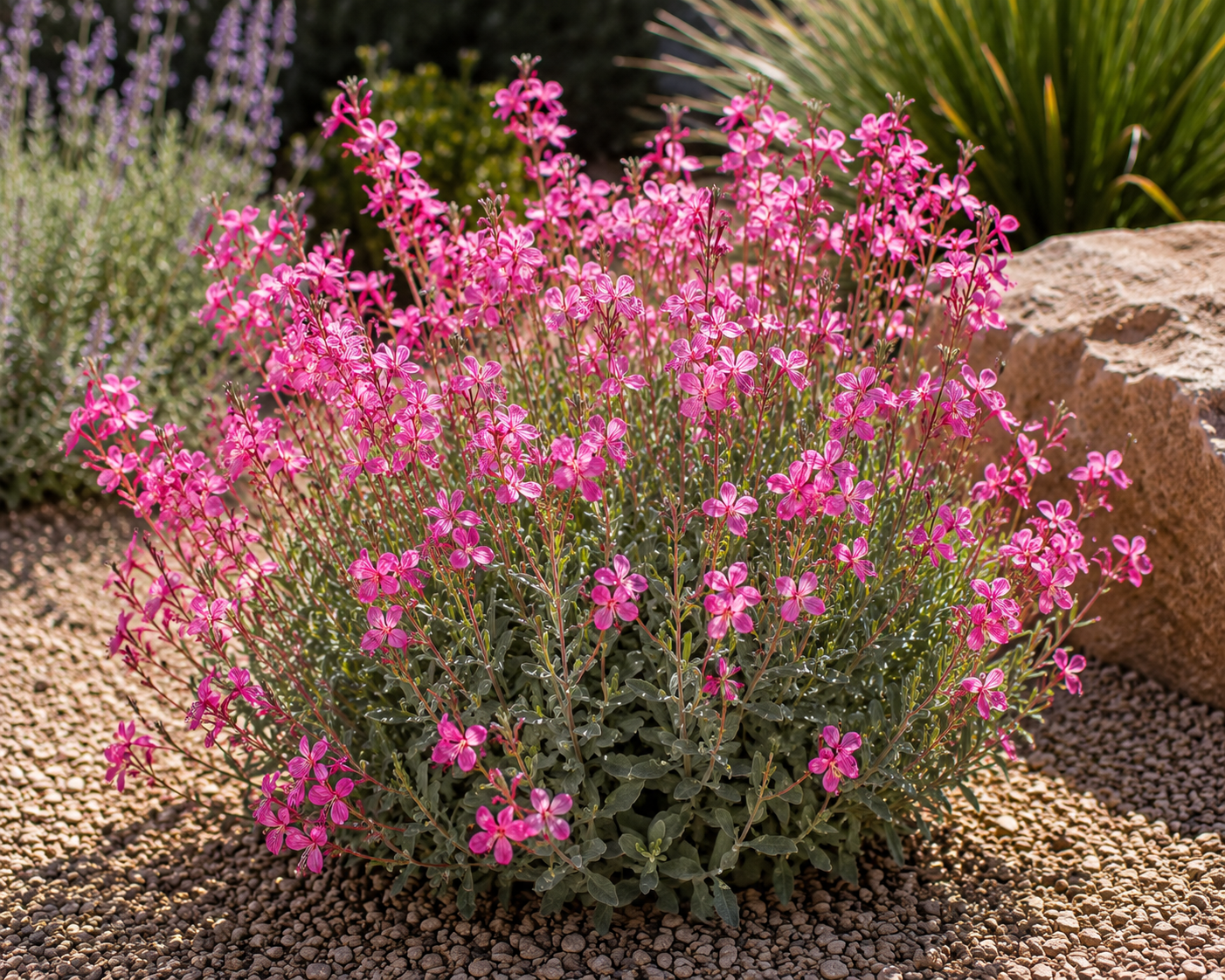
Today's drought-tolerant landscapes are rich with color, texture, movement, and seasonal interest. Flowering perennials attract hummingbirds and pollinators, ornamental grasses create year-round motion, specimen trees provide shade and structure, and architectural succulents become living focal points. Combined with decorative stone, patios, walkways, landscape lighting, and inviting outdoor living spaces, these landscapes create an environment that feels welcoming, functional, and distinctly Southern Californian.
Perhaps most importantly, drought-tolerant landscaping represents an investment in the future. As water costs continue to rise and environmental conditions evolve, landscapes designed around efficient water use are better positioned to remain healthy, beautiful, and sustainable for decades to come.
Understanding San Diego's Unique Climate
One of the most important factors in creating a successful landscape is understanding that San Diego is not a single climate zone. Conditions can change dramatically within just a few miles, influencing everything from plant selection and Irrigation requirements to drainage, maintenance, and long-term plant performance.
Coastal communities such as La Jolla, Del Mar, Coronado, Encinitas, and Point Loma benefit from cooler temperatures, higher humidity, marine layer influence, and occasional salt spray. These conditions create an ideal environment for many Mediterranean and coastal plant species but also require careful consideration when selecting trees, landscape lighting fixtures, and Irrigation equipment that can withstand coastal conditions.
Moving inland to communities such as Poway, Rancho Bernardo, Scripps Ranch, and Escondido, temperatures become significantly warmer during the summer months. Plants are exposed to greater heat, increased evaporation, and more intense sunlight. These landscapes often require different plant palettes, larger shade trees, and irrigation systems designed to deliver water more efficiently during extended periods of high temperatures.
East County landscapes experience even greater seasonal temperature swings, making proper plant selection and soil preparation critical for long-term success. Likewise, canyon properties, hillside homes, and elevated neighborhoods often introduce additional challenges such as erosion control, drainage management, wind exposure, and wildfire considerations.
Understanding these regional differences allows every landscape to be designed specifically for its environment rather than relying on a one-size-fits-all approach. The result is healthier plants, improved water efficiency, and landscapes that perform more successfully over time.
Planning Before You Plant
The most successful landscapes begin long before the first plant is installed. Thoughtful planning ensures that every element of the landscape works together to create a cohesive outdoor environment that is both beautiful and functional.
Every property should be evaluated for sun exposure, existing trees, views, privacy, drainage patterns, slopes, Irrigation opportunities, and how the homeowners intend to use their outdoor spaces. A family who enjoys entertaining may prioritize patios, Outdoor Kitchens, and landscape lighting, while another homeowner may focus on creating a peaceful garden filled with colorful flowering plants and shade trees.
Plant selection should also consider the mature size of every tree, shrub, and perennial. One of the most common landscape mistakes is installing plants based solely on how they look at the nursery without considering how large they will become over time. Proper spacing allows plants to mature naturally while reducing future maintenance, improving air circulation, and creating healthier, longer-lasting landscapes.
Successful drought-tolerant landscapes are also built around hydrozones, grouping plants with similar water requirements together. This allows irrigation systems to deliver the appropriate amount of water where it is needed without overwatering some plants or underwatering others. Combined with healthy soil, proper drainage, and efficient irrigation, this planning creates the foundation for a landscape that thrives for years rather than simply surviving.
The Principles of Successful Drought-Tolerant Landscape Design
Exceptional drought-tolerant landscapes are not created by simply choosing plants that require less water. They are created through thoughtful design that balances beauty, function, sustainability, and the way a homeowner lives. Every successful landscape is built upon a series of design principles that work together to create an outdoor environment that feels natural, cohesive, and enjoyable throughout the year.
Designing for Outdoor Living
A landscape should be an extension of the home, not simply the space surrounding it. Whether it's a quiet courtyard for morning coffee, a backyard designed for entertaining, or a family gathering space around a fire feature, every landscape should be planned with purpose. Walkways should naturally guide movement throughout the property, gathering spaces should feel comfortable and inviting, and planting areas should frame—not obstruct—the experience of the space.
Creating Balance and Proportion
A successful landscape feels visually balanced without appearing overly symmetrical or rigid. Larger trees provide structure and scale, medium-sized shrubs create mass and texture, while flowering perennials, ornamental grasses, and groundcovers soften transitions between spaces. Carefully layering plants of varying heights creates depth and visual interest that continues to evolve as the landscape matures.
Using Texture and Color
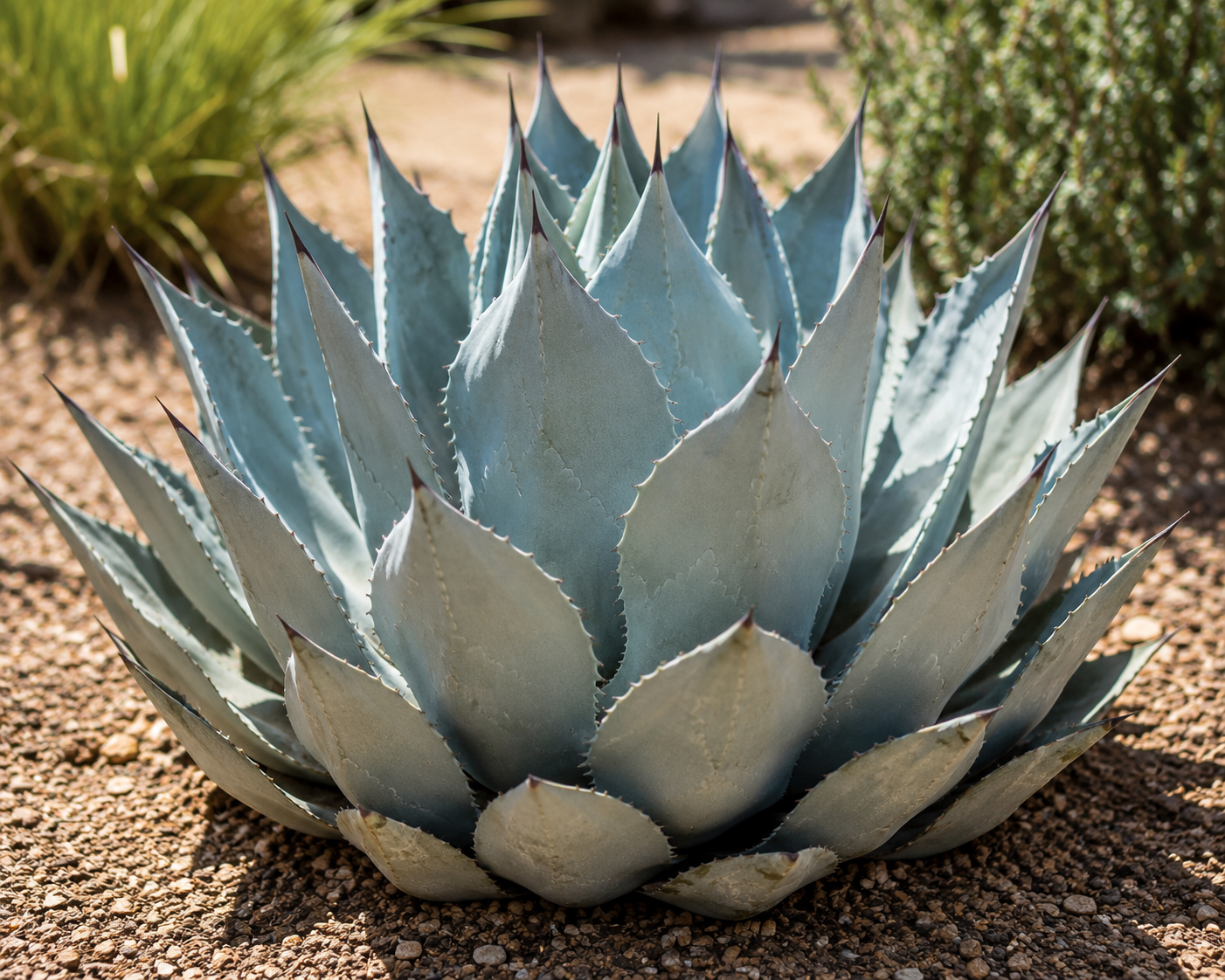
Texture is one of the defining characteristics of Southern California landscapes. Fine-textured ornamental grasses contrast beautifully with bold agaves, soft flowering shrubs complement natural stone, and colorful foliage adds interest even when plants are not in bloom. Rather than relying on flowers alone, drought-tolerant landscapes create year-round beauty by combining different leaf shapes, colors, and plant forms.
Color should also be intentional. Greens, silvers, blues, burgundy foliage, seasonal blooms, decorative pottery, natural wood, and stone materials all contribute to a landscape that feels harmonious with the home's architecture and surrounding environment.
Designing for Every Season
A beautiful landscape should provide interest throughout the year, not just during one season. By selecting plants with varying bloom times, evergreen structure, seasonal color, ornamental bark, attractive seed heads, and interesting foliage, the landscape continues to evolve from season to season while maintaining its overall character.
Even during the warmest and driest months, a thoughtfully designed drought-tolerant landscape remains vibrant through texture, form, and carefully selected plant combinations.
Creating Comfortable Outdoor Spaces
Landscapes should invite people outdoors. Shade trees, pergolas, patios, seating walls, landscape lighting, and thoughtfully placed plantings work together to create comfortable spaces where homeowners can relax, entertain, and enjoy their property both day and night.
The most successful landscapes are those that become part of everyday life rather than something that is simply viewed from inside the home.
Choosing the Right Plants for Your Landscape
Plant selection is one of the most important decisions in any landscape project. Every plant contributes to the overall appearance, maintenance requirements, water usage, and long-term success of the landscape. Choosing plants based solely on appearance often leads to overcrowding, excessive pruning, unnecessary water consumption, and disappointing results as the landscape matures.
Instead, every plant should be selected based on how it performs within the property's unique environment and how it contributes to the overall design.
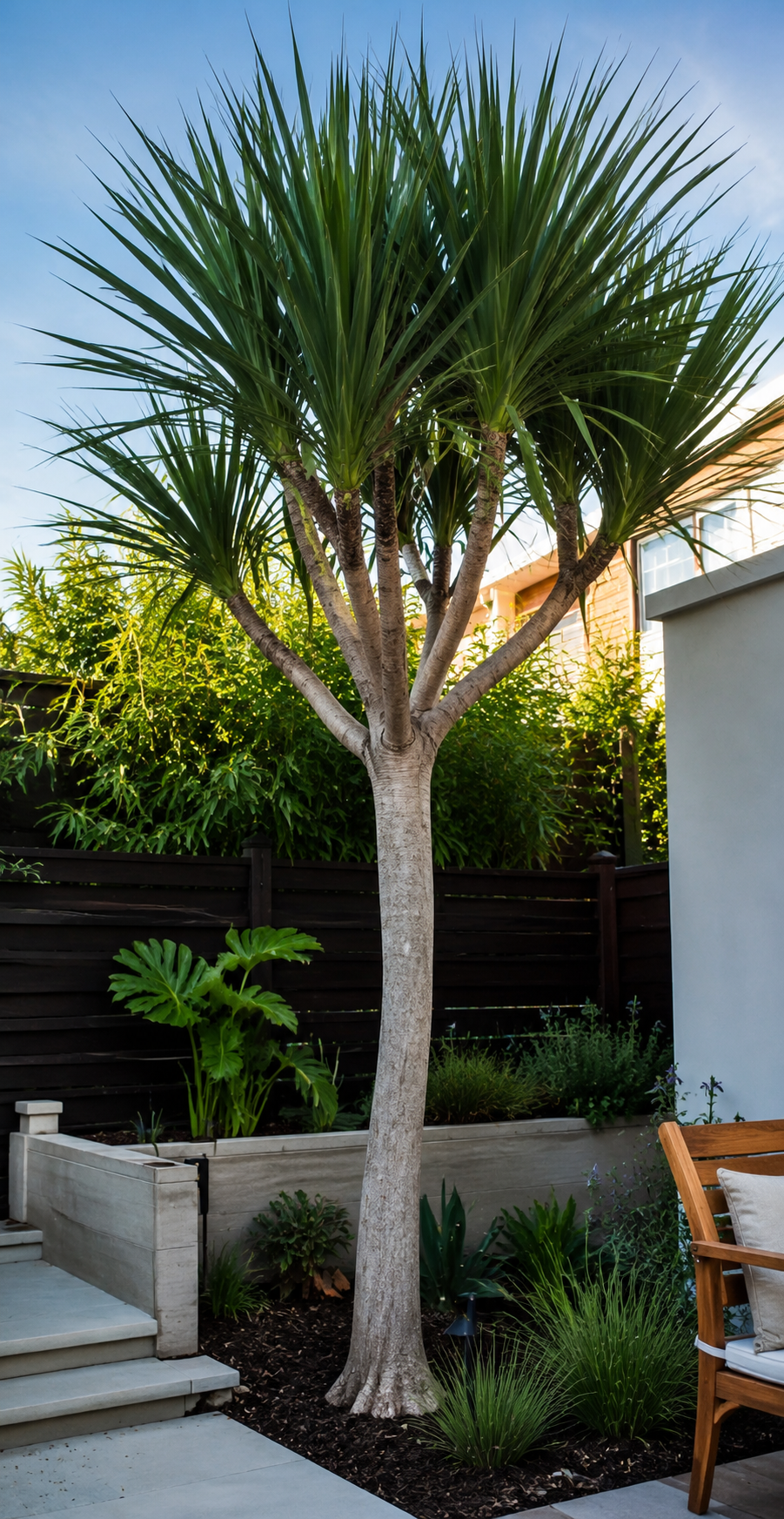
Trees establish the framework of the landscape by providing shade, privacy, seasonal interest, and vertical structure. Shrubs create mass and define planting beds, while ornamental grasses introduce movement and soften transitions between Hardscape and planting areas. Flowering perennials provide seasonal color, succulents contribute bold architectural forms, and groundcovers help suppress weeds while reducing exposed soil.
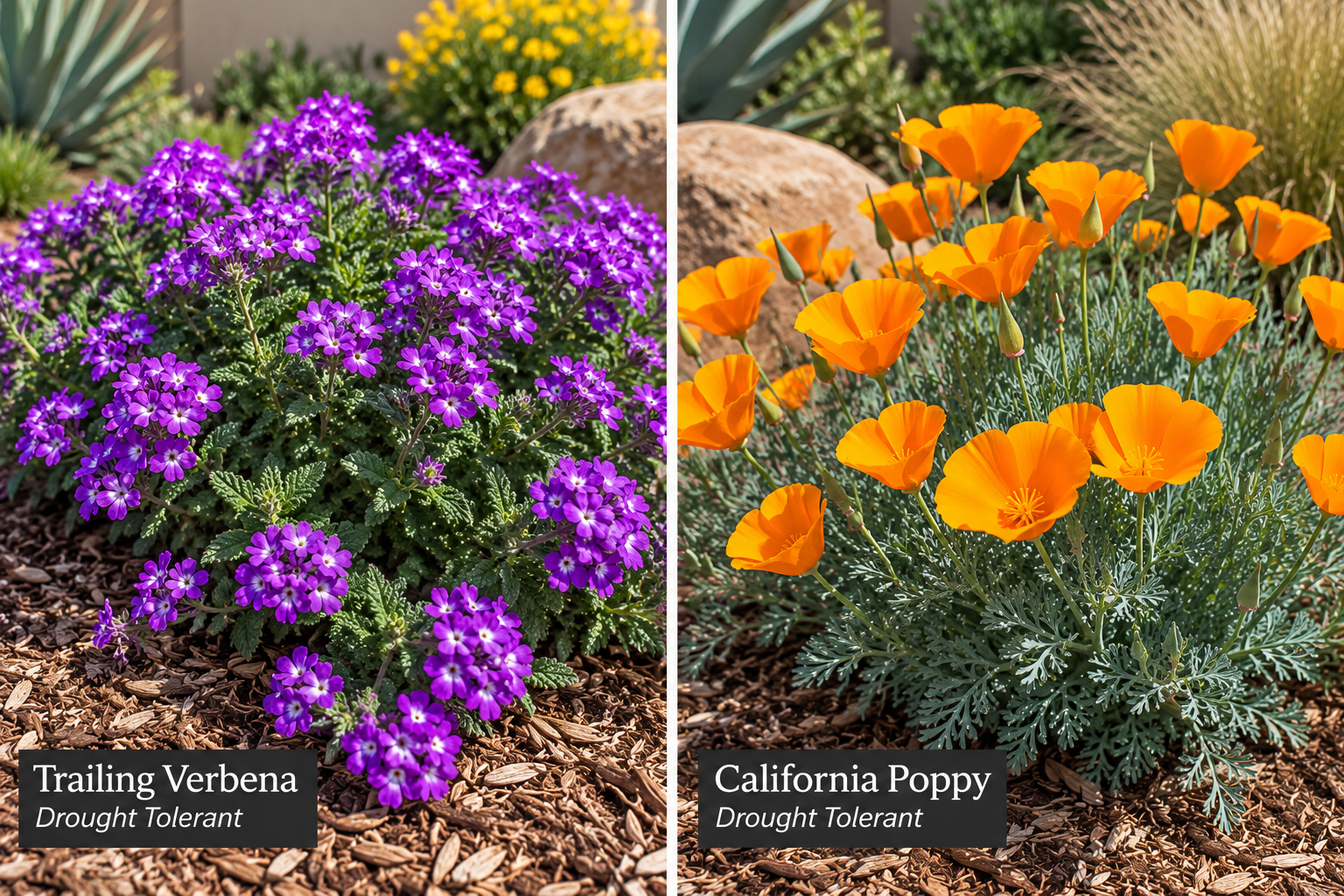
Native California plants and Mediterranean species are often excellent choices because they have naturally adapted to climates similar to San Diego's. These plants typically require less supplemental Irrigation once established while supporting local wildlife and pollinators.
Rather than filling every available space immediately, thoughtful plant spacing allows each plant to mature naturally, reducing maintenance while creating a healthier and more visually appealing landscape over time.
A successful planting design balances structure, texture, color, seasonal interest, and mature plant size to create an outdoor environment that continues to improve year after year.
Smart Irrigation for Drought-Tolerant Landscapes
Even the most drought-tolerant landscape depends on proper Irrigation during plant establishment and periods of prolonged dry weather. The objective is not to eliminate irrigation altogether, but to deliver the right amount of water, in the right location, at the right time. A well-designed irrigation system promotes healthier plants, conserves water, and helps protect your landscape investment.
Drip irrigation is one of the most effective watering methods for drought-tolerant landscapes because it delivers water directly to the root zone where plants need it most. Unlike traditional spray heads that can lose water to evaporation and overspray, drip systems apply water slowly and efficiently, allowing the soil to absorb moisture while reducing runoff.
Grouping plants with similar water requirements into irrigation zones, commonly referred to as hydrozones, further improves efficiency. Trees, shrubs, perennials, and succulents often have different watering needs, and separating them into individual zones allows each area to receive the appropriate amount of water without wasting resources.
Smart irrigation controllers take efficiency even further by automatically adjusting watering schedules based on seasonal weather conditions. These systems help prevent overwatering during cooler months while ensuring plants receive adequate moisture during periods of extreme heat.
Regular irrigation inspections are equally important. Damaged drip tubing, clogged emitters, broken valves, leaking fittings, or improperly adjusted schedules can significantly increase water consumption while reducing plant health. Periodic inspections and seasonal adjustments help keep the irrigation system operating at peak performance throughout the year.
When irrigation is thoughtfully designed and properly maintained, it becomes one of the most valuable tools for creating a healthy, sustainable, and water-efficient landscape.
Hardscape: The Foundation of a Water-Wise Landscape
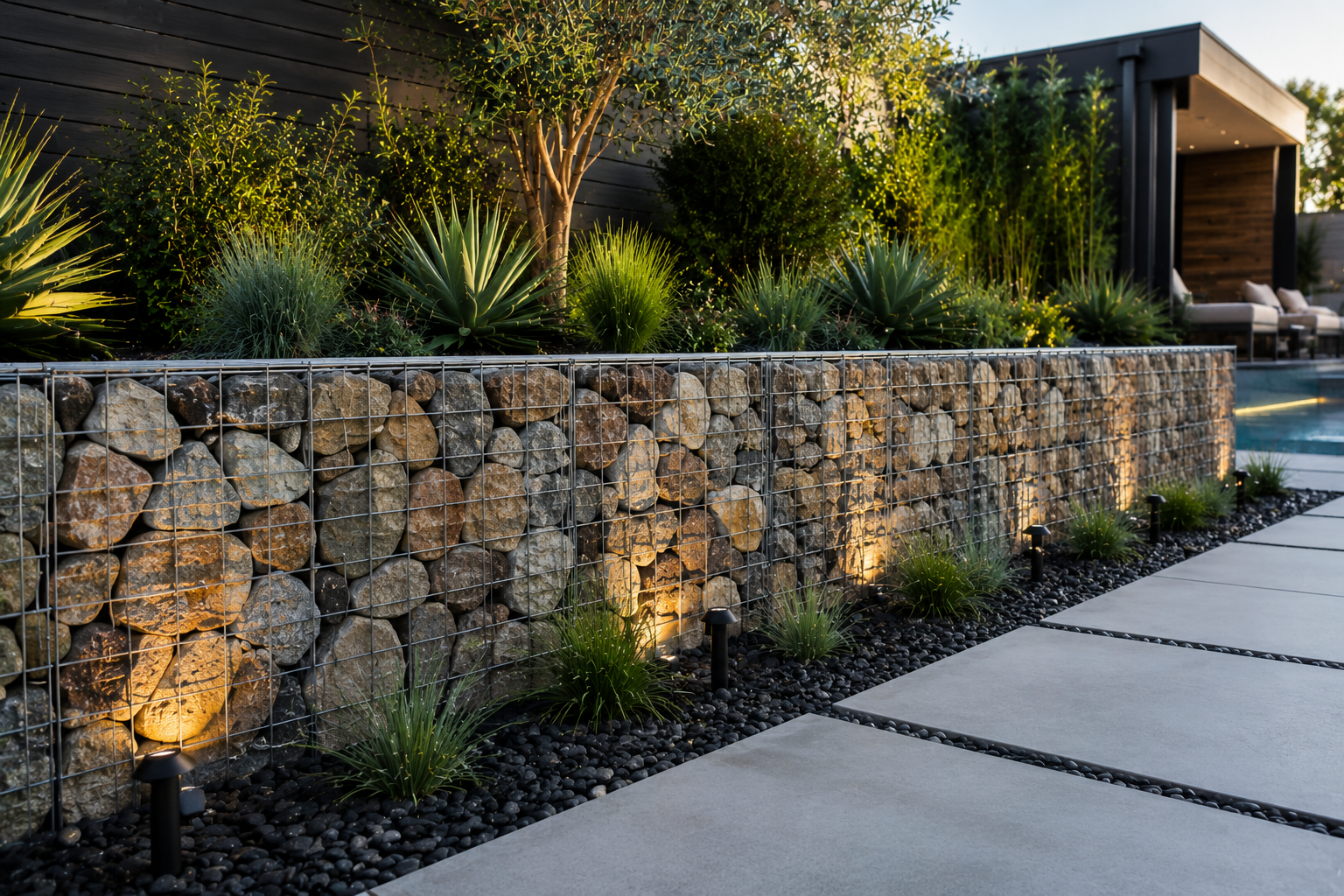
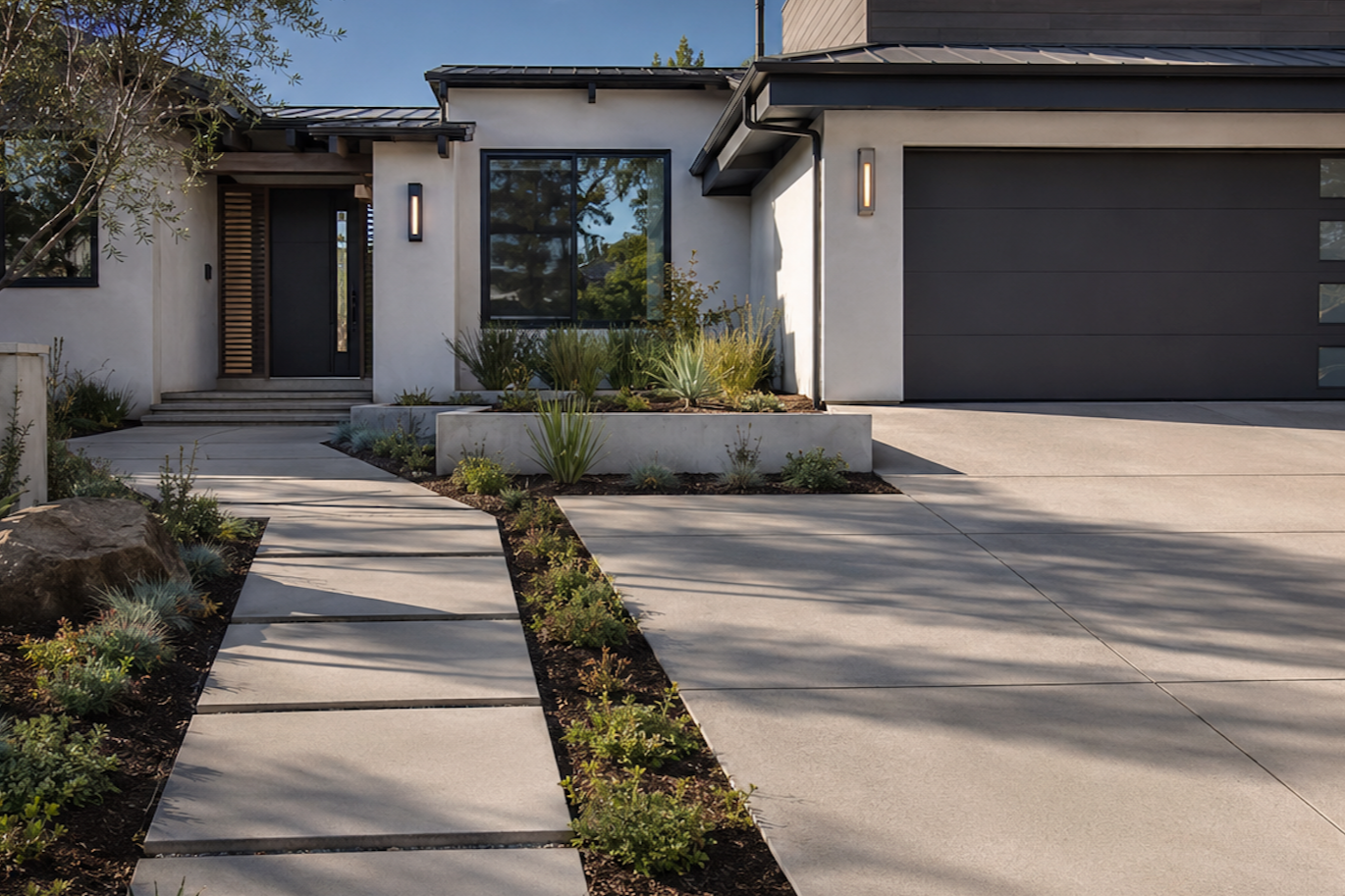
Hardscape provides the structure that ties an entire landscape together. Patios, walkways, retaining walls, decorative rock, boulders, steps, seating areas, and other architectural features define how people move through and enjoy an outdoor space while reducing the amount of irrigated planting area.
One of the advantages of drought-tolerant landscape design is the opportunity to create outdoor living spaces that are both functional and visually appealing. A well-designed patio can become an outdoor dining area, decorative pathways improve accessibility throughout the property, and seating walls provide both function and architectural interest. These elements create outdoor rooms that encourage homeowners to spend more time enjoying their landscape.
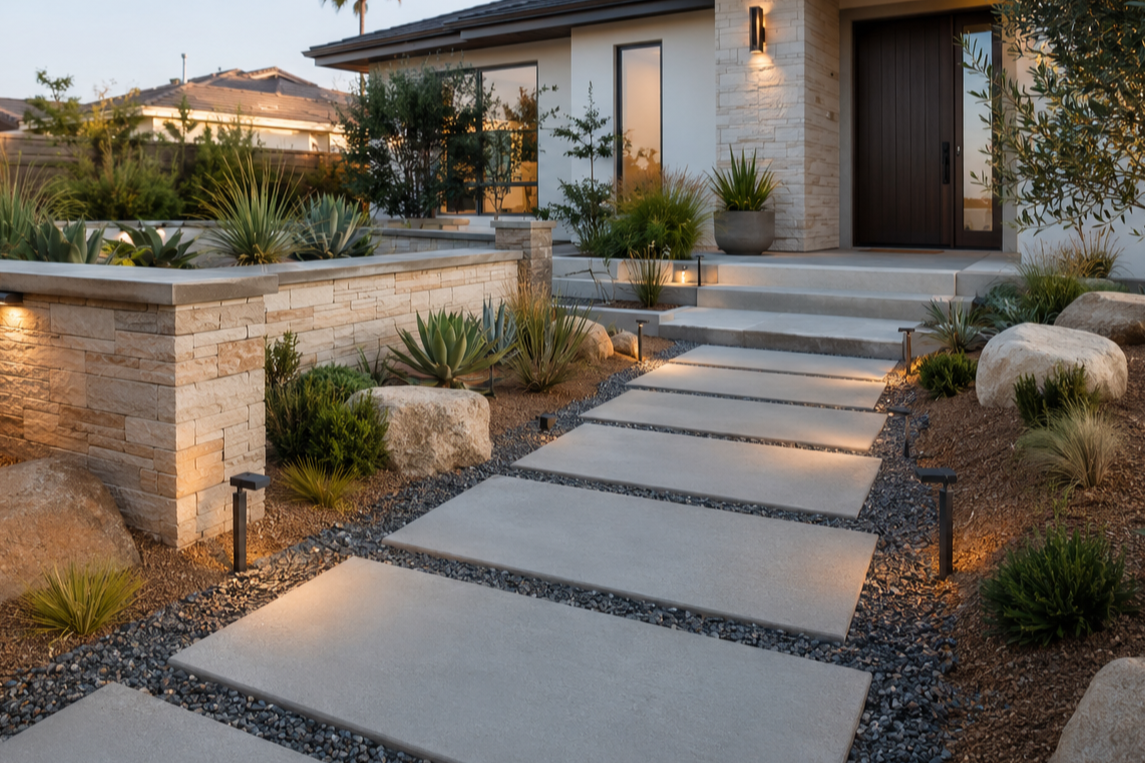
Material selection also plays an important role. Natural stone, concrete pavers, decorative gravel, decomposed granite, porcelain pavers, and other durable materials each offer unique benefits depending on the style of the home, expected use, and maintenance preferences. The goal is to create a balanced relationship between planting areas and Hardscape rather than allowing one to dominate the other.
Decorative rock and gravel are commonly used in drought-tolerant landscapes, but they should be incorporated thoughtfully. Excessive use of rock without adequate plant material can create a harsh appearance while increasing surface temperatures during the summer months. The most successful landscapes combine Hardscape with generous planting areas that soften edges, introduce seasonal color, and create visual contrast.
Proper installation is just as important as material selection. Stable base preparation, proper grading, effective drainage, and quality workmanship ensure that Hardscape features continue to perform and maintain their appearance for many years.
A well-designed Hardscape creates the framework upon which the entire landscape is built, bringing together beauty, function, and long-term durability.
The Benefits of Drought-Tolerant Landscaping
A thoughtfully designed drought-tolerant landscape offers benefits that extend far beyond reducing water consumption. It creates an outdoor environment that is easier to maintain, more resilient to changing weather conditions, and better suited to Southern California's climate while enhancing the beauty and value of your property.
Lower Water Consumption
One of the most significant advantages of drought-tolerant landscaping is improved water efficiency. By combining climate-appropriate plants with properly designed Irrigation systems, homeowners can dramatically reduce outdoor water usage without sacrificing the appearance of their landscape. Efficient irrigation, healthy soil, and thoughtful plant selection work together to maximize every gallon of water applied.
Reduced Maintenance
Landscapes designed around appropriate plant selections typically require less mowing, trimming, fertilizing, and ongoing maintenance than traditional high-water landscapes. While every landscape benefits from routine care, drought-tolerant landscapes generally demand fewer resources and less frequent maintenance once plants become established.
Long-Term Cost Savings
Reducing water usage, minimizing lawn maintenance, and selecting durable landscape materials can significantly lower the long-term cost of owning and maintaining a landscape. Although the initial investment varies depending on the project's size and complexity, many homeowners experience ongoing savings through reduced utility bills and lower maintenance requirements.
Increased Property Value
Professional landscape design is one of the most effective ways to improve curb appeal and increase the value of a home. Attractive outdoor living spaces, healthy plantings, quality Hardscape, and efficient irrigation systems contribute to a landscape that leaves a lasting impression on both homeowners and potential buyers.
Healthier, More Resilient Landscapes
Plants that are well-suited to San Diego's climate generally experience less stress, develop stronger root systems, and adapt more successfully to seasonal weather patterns. When combined with proper irrigation and healthy soil, these landscapes often experience fewer pest problems, improved plant health, and greater longevity.
Environmental Benefits
Drought-tolerant landscaping supports sustainable landscape practices by conserving water, reducing runoff, encouraging healthy soils, and providing habitat for birds, butterflies, bees, and other beneficial pollinators. Thoughtful plant selection also helps preserve the natural character of Southern California while creating landscapes that are both beautiful and environmentally responsible.
Common Misconceptions About Drought-Tolerant Landscaping
Despite its growing popularity, drought-tolerant landscaping is still surrounded by several misconceptions. Understanding the facts can help homeowners make informed decisions and appreciate the wide range of possibilities available when designing a water-wise landscape.
"It's Just Rocks and Cactus"
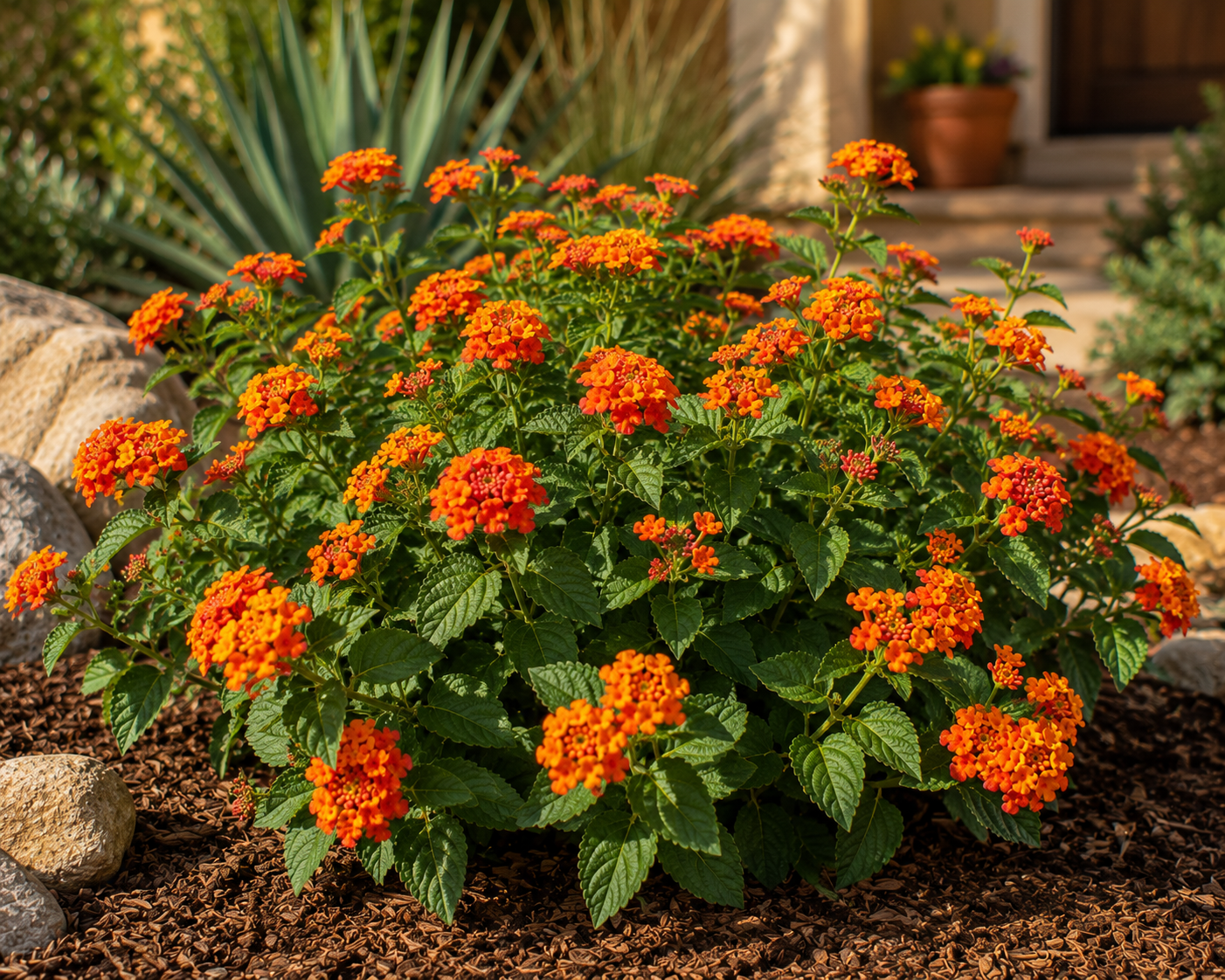
Perhaps the biggest misconception is that drought-tolerant landscaping consists only of gravel, decorative rock, and cactus. While succulents and decorative stone certainly have their place, today's drought-tolerant landscapes incorporate flowering shrubs, colorful perennials, ornamental grasses, shade trees, groundcovers, and carefully layered plant palettes that provide year-round beauty and visual interest.
"It Looks Dry and Lifeless"
A properly designed drought-tolerant landscape should feel vibrant, inviting, and full of life. Seasonal flowers, varied foliage colors, interesting textures, and architectural plant forms create landscapes that are dynamic throughout the year. The result is an outdoor environment that feels lush without requiring excessive amounts of water.
"It Doesn't Need Irrigation"
Although drought-tolerant plants require less water than traditional landscapes, they still need irrigation during establishment and extended periods of dry weather. Efficient drip irrigation and smart watering schedules remain essential components of a healthy landscape. The difference is that water is used strategically rather than excessively.
"It Doesn't Increase Property Value"
High-quality drought-tolerant landscapes are increasingly desirable among homeowners throughout Southern California. Attractive outdoor living spaces, efficient irrigation systems, and professionally designed landscapes often improve curb appeal while reducing long-term operating costs, making them a valuable investment for many properties.
"It's Only for Modern Homes"
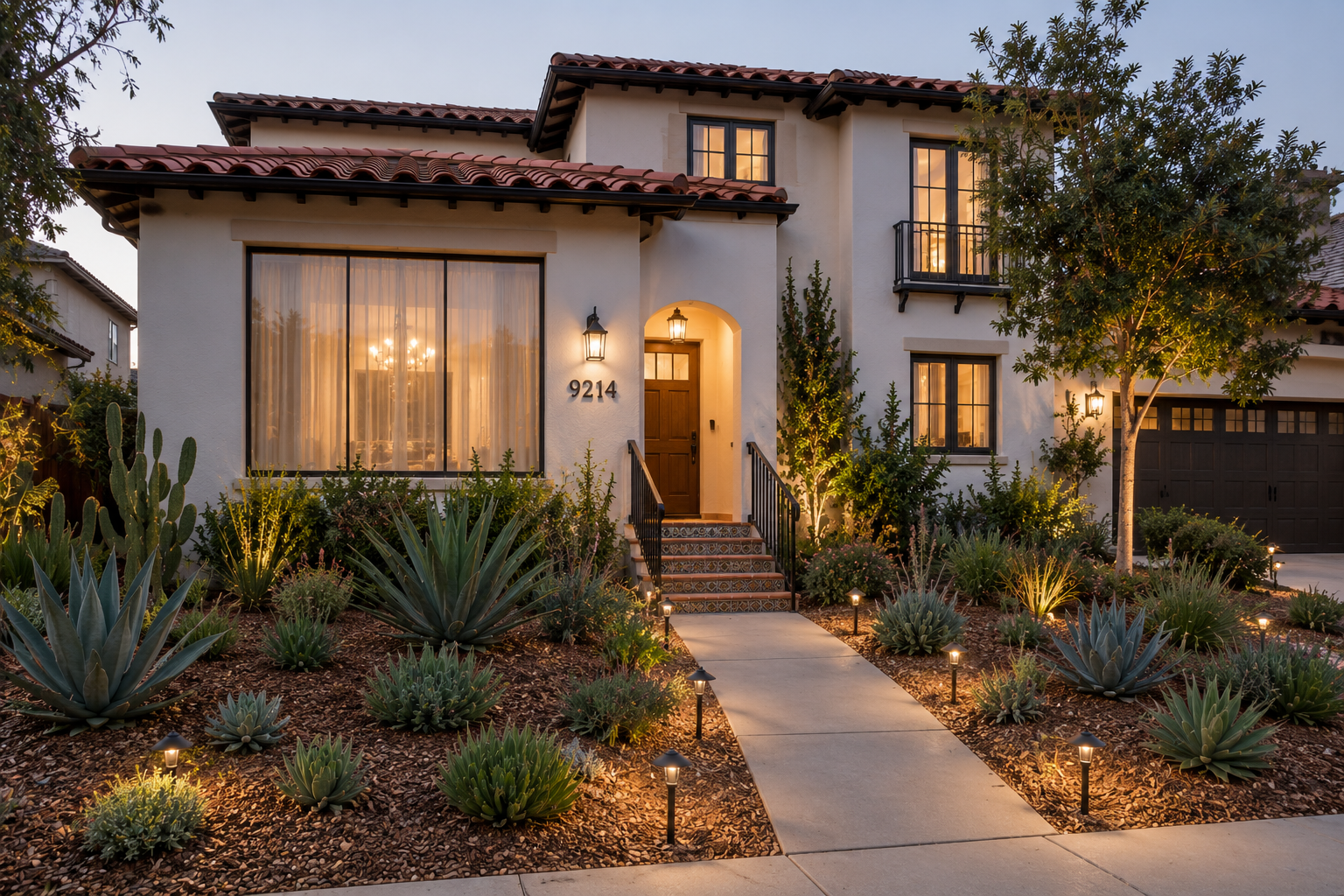
Drought-tolerant landscaping can complement virtually any architectural style. Whether your home is Spanish Colonial, Craftsman, Mid-Century Modern, Contemporary, Ranch, Mediterranean, or Traditional, plant selections, Hardscape materials, and design details can be tailored to create a landscape that feels authentic to the character of the home while embracing sustainable landscape practices.
Building a Landscape That Lasts
The most successful landscapes are designed with the future in mind. While it's exciting to envision how a newly completed landscape will look on installation day, the real measure of success is how it performs five, ten, or even twenty years later. A well-planned drought-tolerant landscape should continue to mature gracefully, requiring only thoughtful maintenance rather than constant renovation.
Planning for the future begins with selecting plants that have adequate room to reach their mature size. Trees should be positioned to provide shade without interfering with structures or utilities. Shrubs should be spaced to reduce overcrowding, allowing for healthy growth and improved air circulation. Groundcovers and ornamental grasses should be selected to complement surrounding plants without becoming invasive or difficult to manage.
Durable materials also contribute to a landscape's longevity. High-quality Hardscape materials, properly installed Irrigation Systems, professionally installed landscape lighting, and healthy soil preparation all work together to reduce future repairs while improving the overall performance of the landscape.
Perhaps most importantly, a lasting landscape evolves over time. As trees mature, gardens become fuller, and outdoor living spaces become part of everyday life, the landscape develops character that simply cannot be achieved immediately after installation. Designing with patience allows the landscape to grow naturally while preserving its beauty for years to come.
Maintaining a Healthy Drought-Tolerant Landscape
While drought-tolerant landscapes generally require less maintenance than traditional landscapes, they are not maintenance-free. Regular care helps preserve plant health, maintain the appearance of the landscape, and protect the investment made during installation.
Seasonal irrigation adjustments are one of the most important maintenance tasks. Water requirements change throughout the year, and irrigation schedules should be modified to reflect seasonal temperatures, rainfall, and plant establishment. Overwatering remains one of the leading causes of plant decline in drought-tolerant landscapes.
Routine pruning also plays an important role in maintaining healthy plants. Removing dead, damaged, or crossing branches encourages healthy growth while preserving the natural form of each plant. Excessive shearing should generally be avoided, as many drought-tolerant plants are valued for their natural shape and texture.
Mulch should be replenished periodically to help conserve soil moisture, regulate soil temperature, and reduce weed growth. Organic mulch gradually improves soil health as it decomposes, while decorative rock should be kept free of debris that can accumulate over time.
Regular inspections of irrigation systems, landscape lighting, drainage components, and Hardscape features help identify minor issues before they become costly repairs. Preventative maintenance extends the life of the landscape while ensuring that every component continues to perform as intended.
With proper care, a drought-tolerant landscape will continue to become more beautiful, more established, and more valuable with each passing year.
Why Homeowners Choose Nature's Elements Landscaping
Choosing the right landscape contractor is just as important as choosing the right landscape design. A well-designed outdoor space requires thoughtful planning, quality craftsmanship, dependable communication, and a commitment to building landscapes that continue to perform long after construction is complete.
Since 2004, Nature's Elements Landscaping has helped homeowners throughout San Diego transform ordinary outdoor spaces into landscapes that are beautiful, functional, and designed specifically for Southern California living. Every project begins by understanding the property, listening to the homeowner's goals, and creating a solution that balances aesthetics, functionality, sustainability, and long-term value.
We believe every landscape should be designed for the people who will enjoy it every day. Rather than offering one-size-fits-all solutions, we customize each project based on the property's unique conditions, architectural style, lifestyle needs, and budget. Whether the project involves drought-tolerant planting, Irrigation improvements, Hardscape construction, landscape lighting, outdoor living spaces, or a complete landscape renovation, our focus remains the same: creating outdoor environments that homeowners are proud to call their own.
From the initial consultation through the final walkthrough, our team is committed to professionalism, craftsmanship, and attention to detail. Every project is approached with the same goal—to build landscapes that not only look exceptional on the day they are completed, but continue to thrive for years to come.
Your Landscape Is an Investment
A professionally designed landscape is more than an exterior improvement—it's an investment in your home, your lifestyle, and your property's long-term value. A well-planned landscape enhances curb appeal, creates functional outdoor living spaces, improves water efficiency, supports healthy plant growth, and provides an environment that can be enjoyed throughout every season.
Unlike temporary improvements, a thoughtfully designed landscape continues to mature over time. Trees provide increasing shade, gardens become fuller and more vibrant, outdoor gathering spaces become the backdrop for family memories, and the overall landscape develops character that cannot be created overnight.
Investing in quality design, proper installation, efficient Irrigation, durable materials, and ongoing maintenance helps protect that investment while reducing costly repairs and unnecessary renovations in the future.
Whether your goal is creating a peaceful retreat, improving your home's curb appeal, increasing property value, or building an outdoor space for entertaining family and friends, a well-designed drought-tolerant landscape offers benefits that continue long after the project is complete.
Continue Exploring Our Landscape Learning Center
Designing a beautiful landscape is an ongoing learning experience, and we're committed to providing homeowners with trusted resources that make planning easier. As you continue researching your project, we invite you to explore our additional guides covering landscape design, irrigation, low-voltage landscape lighting, firewise landscaping, Hardscape materials, plant selection, landscape maintenance, and other topics specific to San Diego homeowners.
Our Landscape Learning Center is continually expanding with educational resources designed to help you make informed decisions, understand your options, and create an outdoor environment that is both beautiful and built to last.
No matter where you are in your landscaping journey, we're here to help you take the next step with confidence.
Drought-Tolerant Landscaping by Property Type
Every property presents its own opportunities and challenges. The size of the lot, the home's architecture, sun exposure, soil conditions, drainage, and how the outdoor space will be used all influence the best landscape design. A successful drought-tolerant landscape is never copied from another property—it is carefully tailored to fit the home and the people who live there.
Front Yard Landscapes
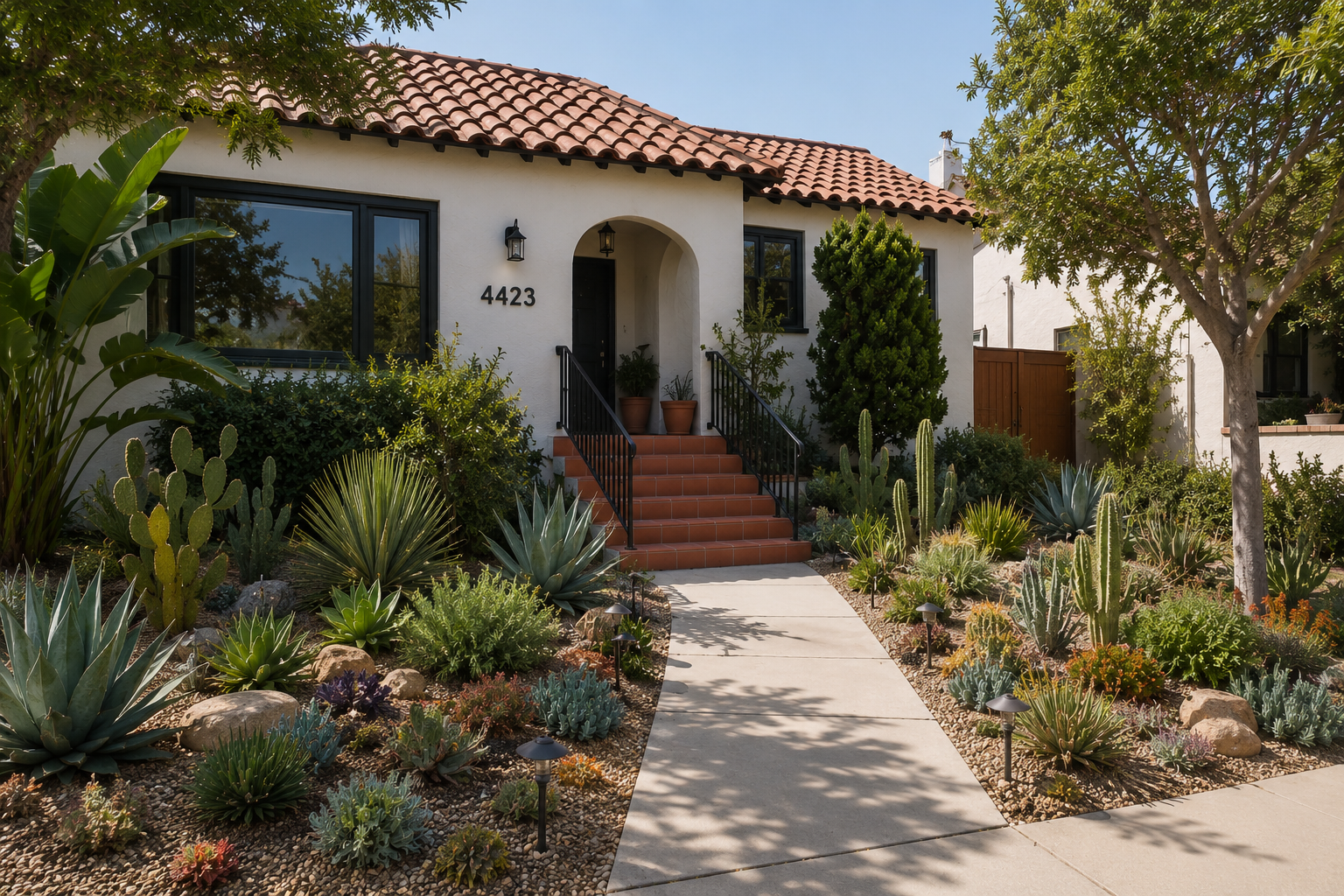
Your front yard creates the first impression of your home. A thoughtfully designed drought-tolerant front yard can dramatically improve curb appeal while reducing water consumption and ongoing maintenance. Layered plantings, specimen trees, decorative boulders, attractive walkways, and architectural accents work together to create a welcoming entrance that reflects the character of the home.
Backyard Living Spaces
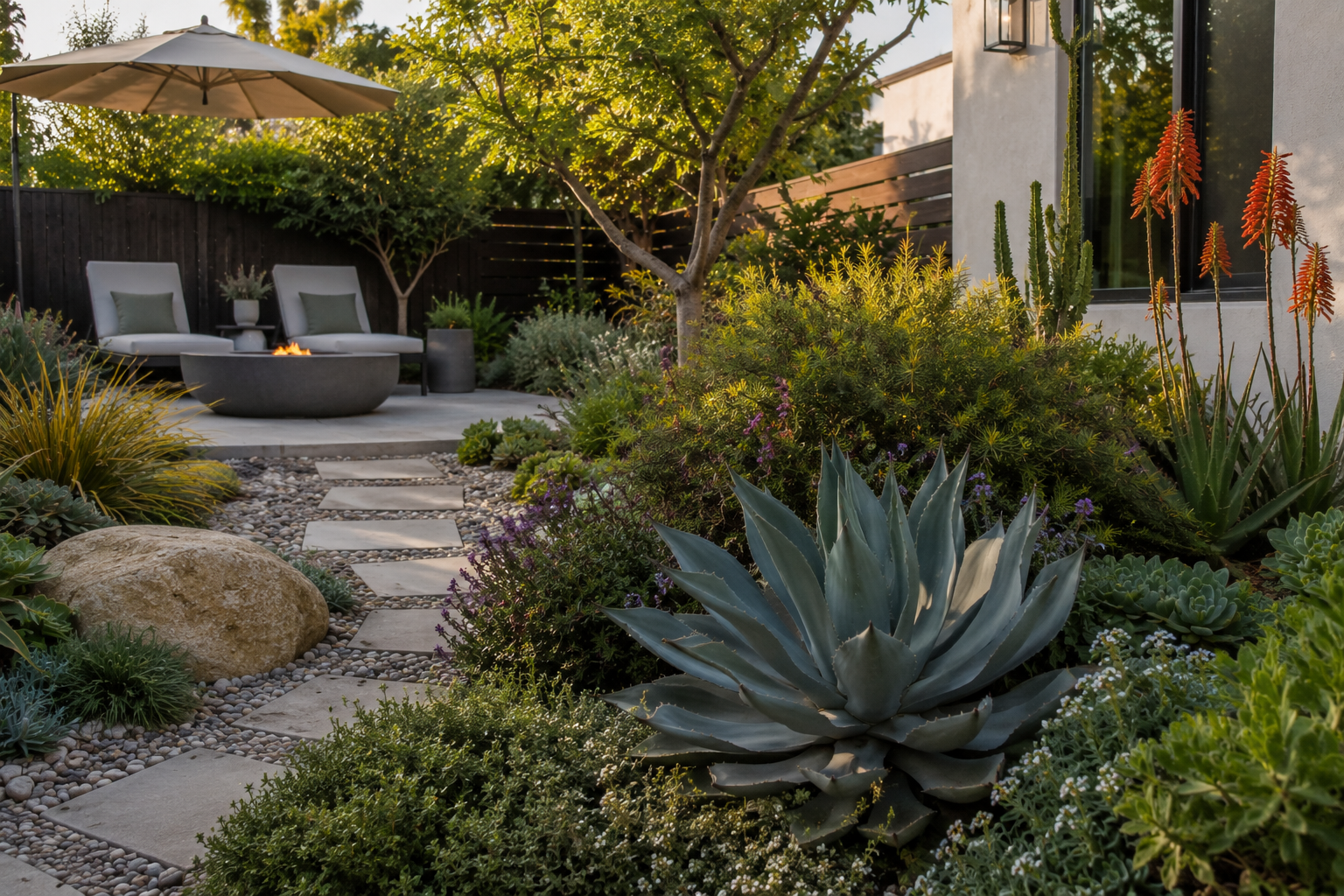
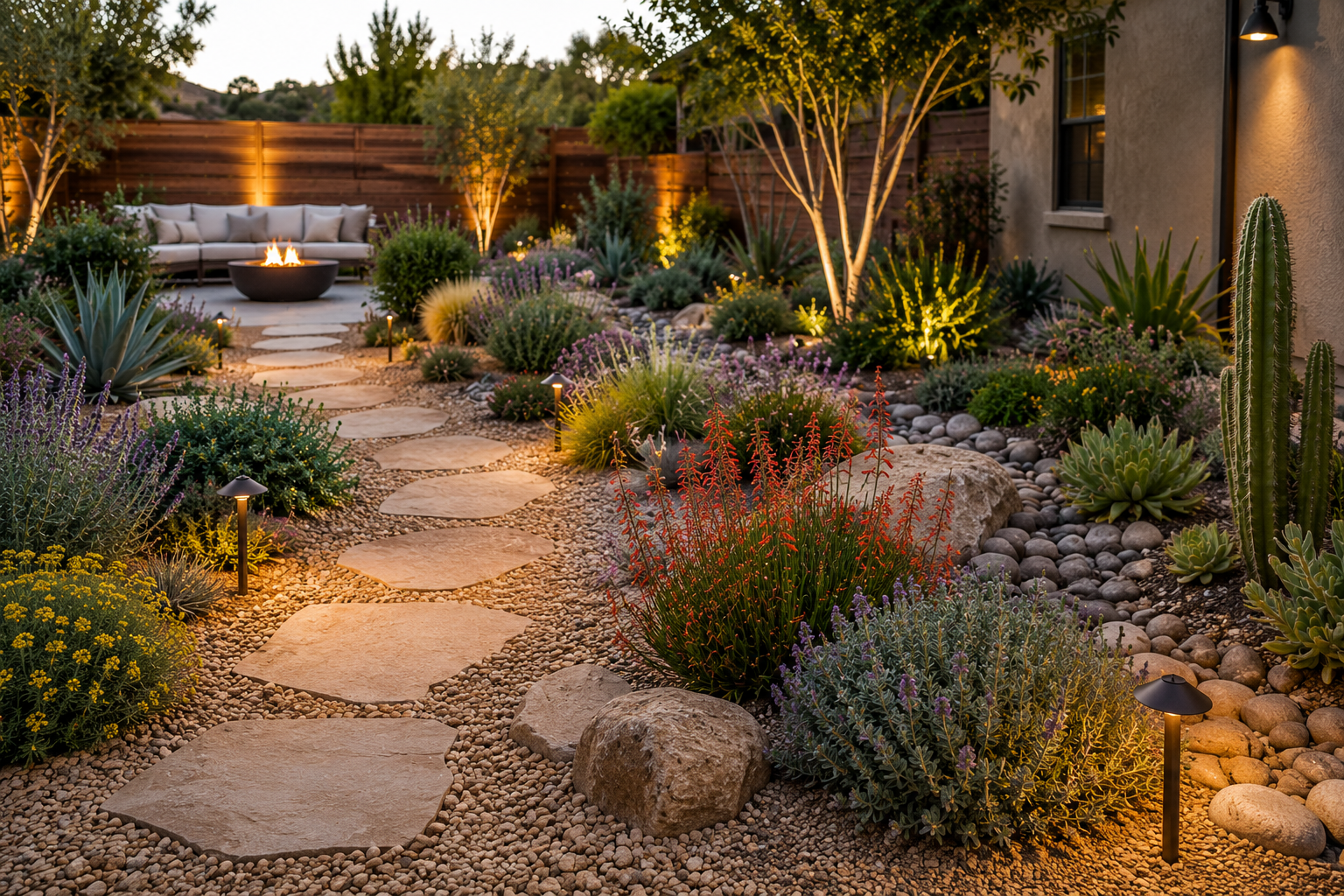
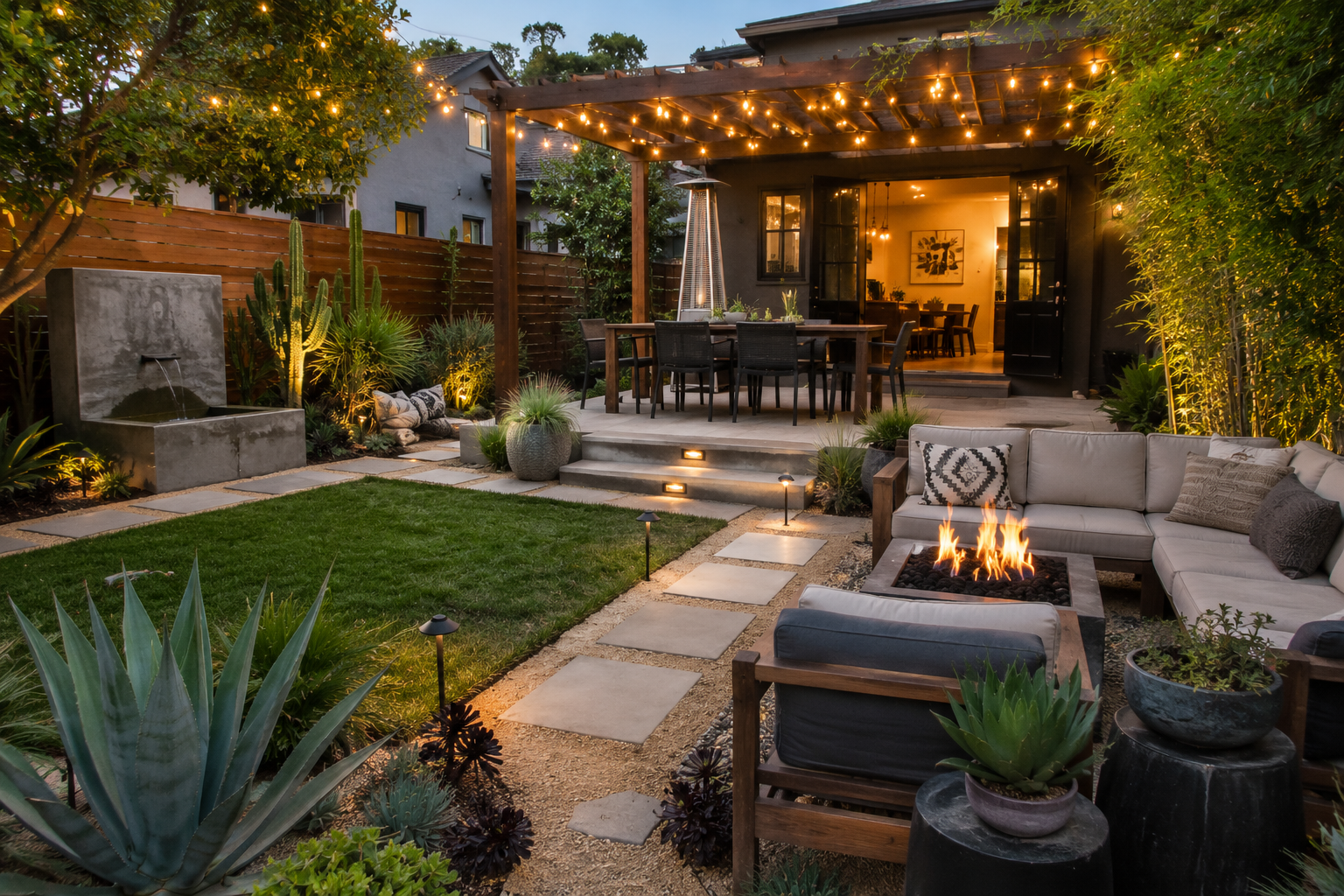
The backyard is often where homeowners spend the most time relaxing and entertaining. Drought-tolerant landscaping allows these spaces to become functional outdoor extensions of the home through patios, Outdoor Kitchens & Fire Features, pergolas, landscape lighting, comfortable seating areas, and carefully selected plantings that create privacy without overwhelming the space.
Side Yards
Side yards are frequently overlooked, yet they provide valuable opportunities to improve accessibility, drainage, storage, and visual continuity throughout the property. Decorative pathways, low-maintenance planting areas, efficient Irrigation, and subtle landscape lighting can transform narrow side yards into attractive and functional spaces.
Hillsides and Sloped Properties
Sloped landscapes require careful planning to manage erosion, improve drainage, and provide safe access throughout the property. Deep-rooted plant material, retaining walls, terraced planting areas, decorative boulders, and properly designed irrigation systems all work together to stabilize slopes while creating visually striking landscapes.
Courtyards and Small Spaces
Limited space does not limit design possibilities. Courtyards, patios, and compact urban landscapes can become beautiful outdoor retreats through the thoughtful use of vertical planting, decorative containers, specimen plants, custom lighting, and efficient use of every square foot. Even the smallest outdoor spaces can become inviting environments that feel open, comfortable, and connected to the home.
Incorporating Sustainable Landscape Practices
Sustainability is about making thoughtful decisions that benefit both your property and the environment over the long term. A sustainable landscape uses resources efficiently, supports healthy plant growth, minimizes waste, and creates an outdoor environment that can adapt to changing conditions while maintaining its beauty.
Healthy soil is one of the most important components of a sustainable landscape. Proper soil preparation improves drainage, encourages deeper root development, and helps retain moisture where plants need it most. Incorporating organic matter into the soil before planting creates a stronger foundation for long-term plant health while reducing the need for excessive irrigation.
Selecting plants that are well adapted to San Diego's climate also contributes to sustainability. Climate-appropriate trees, shrubs, grasses, and perennials generally require fewer resources while remaining healthier and more resilient throughout the year. These plants are better equipped to tolerate seasonal temperature fluctuations and extended dry periods without sacrificing their appearance.
Using efficient Irrigation systems, minimizing runoff, reducing unnecessary lawn areas, and selecting durable landscape materials further contribute to a landscape that is environmentally responsible while remaining attractive and functional.
A sustainable landscape is not defined by one specific feature. It is the result of hundreds of thoughtful decisions that work together to create an outdoor environment capable of thriving for many years.
Supporting Local Wildlife and Pollinators
A thoughtfully designed landscape benefits more than just the homeowner. It also provides valuable habitat for birds, butterflies, bees, and other beneficial wildlife that play an important role in maintaining healthy ecosystems.
Flowering plants provide nectar throughout the seasons, while trees and shrubs offer nesting sites, shelter, and food sources for a variety of bird species. Native and climate-adapted plants often attract pollinators naturally, helping support biodiversity while adding movement and life to the landscape.
Providing a variety of plant heights, bloom times, and foliage textures creates a more dynamic outdoor environment that changes throughout the seasons. Even small residential landscapes can become important habitats when designed with ecological diversity in mind.
By combining attractive planting designs with responsible landscape practices, homeowners can enjoy beautiful outdoor spaces while contributing to a healthier local environment.
The Importance of Professional Landscape Planning
Many landscape projects begin with good intentions but quickly become frustrating when there is no overall plan. Plants are often purchased because they look attractive at the nursery, patios are added without considering drainage, irrigation is installed after planting rather than before, and outdoor lighting becomes an afterthought instead of an integrated part of the design.
Professional planning helps prevent these common problems by considering the property as a complete system. Every decision—from grading and drainage to irrigation, planting, Hardscape, lighting, and future maintenance—is coordinated before construction begins.
This approach helps avoid unnecessary expenses, reduces future modifications, and creates a finished landscape that feels intentional rather than assembled over time. It also allows homeowners to phase larger projects if desired while maintaining a cohesive long-term vision.
A comprehensive landscape plan provides confidence that every investment contributes to the overall success of the project, creating an outdoor environment that is both beautiful and functional from the very beginning.
Investing in a Landscape That Grows With You
A landscape is one of the few home improvements that becomes more valuable as it matures. Trees become larger and provide more shade, gardens become fuller, outdoor living spaces become gathering places for family and friends, and every season adds character to the property.
Unlike many improvements that depreciate over time, a properly maintained landscape continues to evolve. The investment made today can provide enjoyment for decades while enhancing curb appeal, increasing property value, improving outdoor living, and creating a lasting connection between your home and the natural environment.
Whether your goal is creating a peaceful retreat, an entertainment space, a water-wise garden, or a complete outdoor transformation, the decisions you make today will shape how your landscape looks, functions, and feels for years to come.
A thoughtfully designed drought-tolerant landscape is more than an improvement to your property—it is an investment in your quality of life, your home's future, and the enjoyment of every season spent outdoors.
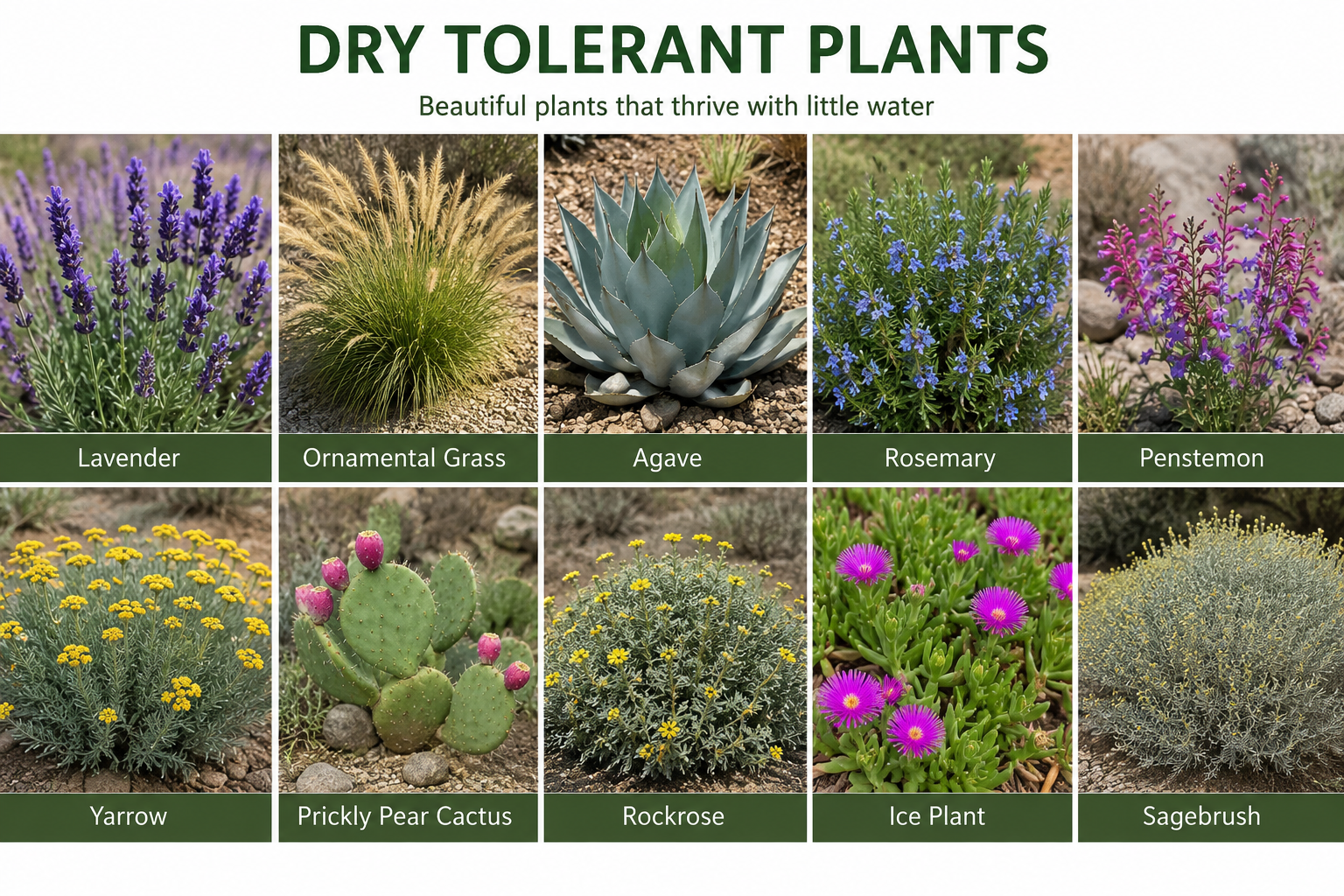
Drought-Tolerant Landscaping and Property Value
Investing in a professionally designed drought-tolerant landscape can do more than improve the appearance of your home—it can increase its overall value and market appeal. Outdoor spaces are often one of the first things prospective buyers notice, and an attractive, well-maintained landscape creates a strong first impression before they ever step inside.
Modern homebuyers are increasingly looking for landscapes that are both beautiful and practical. Features such as efficient Irrigation systems, low-maintenance plantings, outdoor living spaces, professionally installed landscape lighting, and thoughtfully designed Hardscape are viewed as long-term benefits that reduce future maintenance while enhancing everyday enjoyment.
A landscape that complements the home's architecture and reflects the surrounding environment also contributes to a greater sense of quality and curb appeal. Mature trees, layered planting beds, decorative pathways, and inviting gathering spaces create an outdoor environment that feels established, welcoming, and timeless.
While every property is unique, a well-designed landscape is consistently recognized as one of the most valuable improvements a homeowner can make.
Planning Your Landscape Budget
Every landscape project is different, and no two properties require the exact same investment. Project costs are influenced by factors such as property size, existing site conditions, material selections, irrigation improvements, drainage requirements, accessibility, and the overall complexity of the design.
Rather than viewing landscaping as a single expense, many homeowners choose to think of it as a long-term investment that can be completed in phases. Beginning with a comprehensive landscape plan allows future improvements to be completed over time while maintaining a consistent design vision.
For example, a homeowner may initially complete grading, irrigation, and Hardscape improvements before adding planting, landscape lighting, or outdoor living features during later phases. This approach allows the project to grow over time while ensuring every addition integrates seamlessly with the original design.
Careful planning also helps avoid unnecessary expenses by identifying potential challenges before construction begins. Addressing grading, drainage, irrigation, and utility considerations during the design phase often prevents costly modifications later in the project.
Working With San Diego's Natural Environment
One of the greatest advantages of living in San Diego is the ability to enjoy outdoor spaces throughout nearly every season of the year. Mild temperatures, abundant sunshine, and diverse natural landscapes provide endless opportunities to create outdoor environments that feel connected to the region's beauty.
Rather than trying to recreate landscapes from other parts of the country, successful designs embrace what makes Southern California unique. Native and Mediterranean plants, natural stone, decorative boulders, warm architectural materials, and climate-appropriate outdoor living spaces all contribute to landscapes that feel authentic to the region.
By working with the environment instead of against it, homeowners often discover that their landscapes become easier to maintain, more resilient to changing weather conditions, and more enjoyable throughout every season.
Thoughtful landscape design respects the character of the site while enhancing the way people experience their property every day.
Bringing Your Vision to Life
Every beautiful landscape begins with an idea. Whether you're inspired by colorful gardens, peaceful outdoor retreats, modern entertaining spaces, or natural California landscapes, transforming that vision into reality requires thoughtful planning, quality craftsmanship, and attention to detail.
The most successful projects begin by understanding how you want to use your outdoor space. Some homeowners dream of hosting family gatherings around an outdoor kitchen and fire feature. Others envision a quiet garden surrounded by flowering plants, shade trees, and the gentle sound of water. Many simply want a landscape that is easier to maintain while remaining beautiful throughout the year.
Whatever your goals may be, every decision—from plant selection and Irrigation to Hardscape, lighting, and outdoor living features—should support that vision. When every element is designed to work together, the result is a landscape that feels intentional, functional, and uniquely yours.
A thoughtfully designed drought-tolerant landscape is more than an improvement to your property. It's a place to gather, relax, celebrate, and enjoy the outdoors for many years to come.
Choosing the Right Landscape Contractor
A successful landscape project depends on more than selecting attractive plants or quality materials. The experience, planning, and craftsmanship of the contractor play a significant role in how well the landscape performs for years after installation.
An experienced landscape contractor begins by understanding the property's existing conditions, identifying potential challenges, and developing a comprehensive plan before construction begins. Grading, drainage, irrigation, utilities, soil preparation, Hardscape installation, planting, and landscape lighting should all be considered together rather than treated as separate projects.
Clear communication is equally important. Homeowners should understand the scope of work, material selections, project schedule, and expected results before construction starts. A well-organized project helps minimize unexpected delays while ensuring each phase is completed efficiently and professionally.
Quality installation also makes a lasting difference. Proper soil preparation, correct planting techniques, stable Hardscape construction, efficient irrigation installation, and attention to finishing details all contribute to a landscape that continues to perform as intended long after the project is complete.
Choosing a contractor with experience designing landscapes specifically for San Diego's climate helps ensure your investment is built to thrive in the unique conditions of Southern California.
The Role of Landscape Lighting in Drought-Tolerant Design
A thoughtfully designed landscape should be just as enjoyable after sunset as it is during the day. Landscape lighting extends the use of outdoor living spaces while enhancing safety, security, and the overall appearance of the property.
Rather than flooding the landscape with excessive light, professional lighting design focuses on subtle illumination that highlights architectural features, specimen trees, pathways, gathering spaces, and focal points throughout the landscape. Properly placed lighting creates depth, dimension, and visual interest while allowing homeowners to enjoy their outdoor spaces well into the evening.
Low-voltage LED lighting systems provide exceptional energy efficiency while offering long service life and minimal maintenance. Modern fixtures are available in a variety of styles that complement virtually any landscape design, from traditional gardens to contemporary outdoor living spaces.
When incorporated during the design phase, landscape lighting integrates seamlessly with planting areas, irrigation systems, patios, and Hardscape features to create a cohesive outdoor environment that remains beautiful day and night.
Preparing for Your Landscape Project
Proper preparation helps ensure a smooth construction process and contributes to a successful outcome. Before work begins, homeowners should have a clear understanding of the project scope, material selections, construction schedule, and any preparations that may be required before installation.
Existing Irrigation systems, drainage, utilities, mature trees, and site access should all be evaluated before construction begins. Identifying these conditions early allows potential challenges to be addressed before they affect the project timeline.
Material selections should also be finalized before installation whenever possible. Choosing hardscape materials, plant palettes, decorative rock, lighting fixtures, and other design elements in advance helps maintain construction efficiency while reducing unnecessary delays.
During construction, maintaining open communication with your landscape contractor helps ensure questions are addressed promptly, and the project continues moving forward according to plan.
Careful planning before construction begins often results in a smoother installation process, better coordination between trades, and a finished landscape that closely reflects the original design vision.
A Landscape Designed for the Way You Live
No two homeowners use their outdoor spaces in the same way. Some enjoy entertaining large groups of family and friends, while others prefer quiet gardens where they can relax and unwind. Some families need open lawn areas for children and pets, while others prioritize low-maintenance planting beds and outdoor dining spaces.
The most successful landscapes are designed around the people who use them. Every pathway, patio, planting bed, seating area, tree, and lighting fixture should contribute to the way you experience your property every day.
When beauty, functionality, sustainability, and thoughtful planning come together, the result is more than an attractive landscape. It becomes an extension of your home—a place that welcomes guests, creates lasting memories, and provides enjoyment throughout every season.
A professionally designed drought-tolerant landscape reflects both the character of the property and the lifestyle of the people who call it home, creating an outdoor environment that will continue to grow more beautiful with time.
Frequently Overlooked Elements of a Successful Landscape
When homeowners begin planning a landscape renovation, they often focus on the most visible features such as plants, patios, or decorative rock. While these elements certainly contribute to the finished appearance, many of the most important components of a successful landscape are hidden beneath the surface or carefully integrated into the overall design.
Proper grading helps direct water away from structures while preventing standing water and erosion. Healthy soil provides the foundation for strong root development and long-term plant health. Efficient drainage systems protect both the landscape and the home's foundation during heavy rainfall. Irrigation systems deliver water precisely where it is needed, while landscape lighting extends the enjoyment of outdoor spaces well into the evening.
Attention to these details creates landscapes that not only look beautiful but also perform reliably for years with fewer maintenance issues and unexpected repairs.
Balancing Beauty and Function
The most successful landscapes achieve a balance between aesthetics and everyday functionality. While beautiful plant combinations and attractive Hardscape create visual appeal, the landscape should also make daily life more comfortable and enjoyable.
Walkways should provide safe and convenient access throughout the property. Shade trees should be positioned to improve comfort without blocking desirable views. Planting beds should frame outdoor living spaces rather than overwhelm them. Lighting should improve visibility while creating warmth and ambiance after dark.
Storage areas, utility equipment, trash enclosures, air conditioning units, and Irrigation equipment can often be screened with thoughtfully placed plants or architectural features, allowing practical necessities to blend naturally into the overall landscape.
A beautiful landscape should never sacrifice functionality, and a functional landscape should never feel purely utilitarian. The best designs accomplish both.
Creating Year-Round Interest
One of the hallmarks of exceptional landscape design is creating visual interest throughout every season. Rather than relying on a single bloom period, thoughtfully selected plant combinations provide changing color, texture, and form as the seasons progress.
Evergreen shrubs provide year-round structure. Flowering perennials bloom at different times throughout the year. Ornamental grasses introduce movement and seasonal texture, while specimen trees create shade, architectural interest, and changing seasonal character.
Decorative boulders, pottery, water features, artistic focal points, and landscape lighting continue to add visual appeal even when certain plants are not actively blooming. By layering these elements together, the landscape remains attractive every month of the year.
This approach creates outdoor environments that continually evolve, offering something new to appreciate during every season.
Your Landscape Should Tell a Story
Every memorable landscape has its own identity. Rather than feeling like a collection of unrelated features, it should reflect the architecture of the home, the personality of the homeowner, and the natural beauty of its surroundings.
Some landscapes are inspired by the relaxed elegance of the California coast. Others embrace Mediterranean influences through warm stone, olive trees, and drought-tolerant gardens. Contemporary landscapes often feature clean architectural lines, minimalist planting palettes, and dramatic landscape lighting. Traditional homes may benefit from layered gardens, colorful flowering plants, and inviting gathering spaces.
Regardless of the style, the goal is the same: to create an outdoor environment that feels intentional, cohesive, and timeless.
The most successful landscapes do more than enhance a property—they create experiences. They become places where families gather, children play, celebrations are shared, and quiet moments are enjoyed. A thoughtfully designed drought-tolerant landscape becomes part of the story of the home itself.
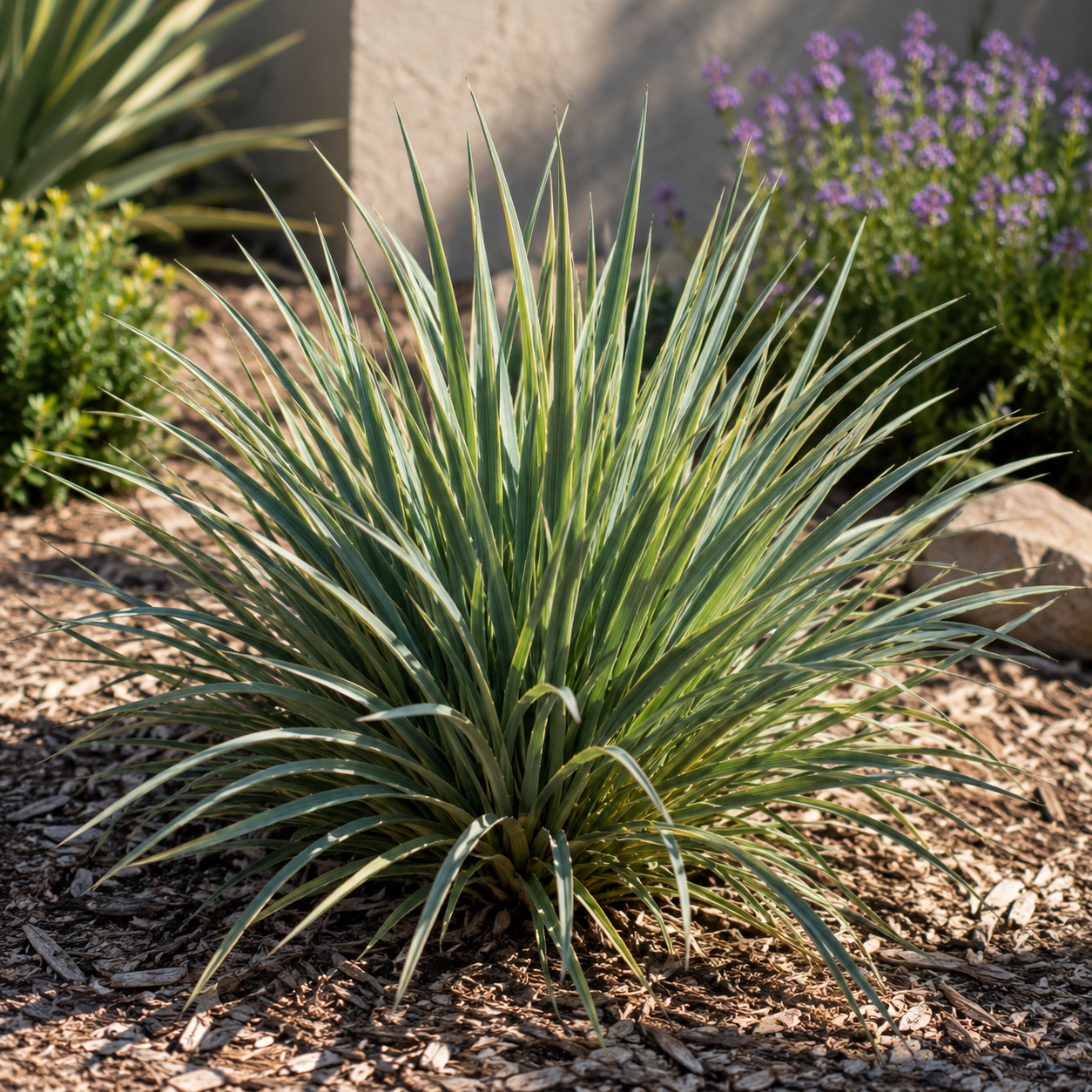
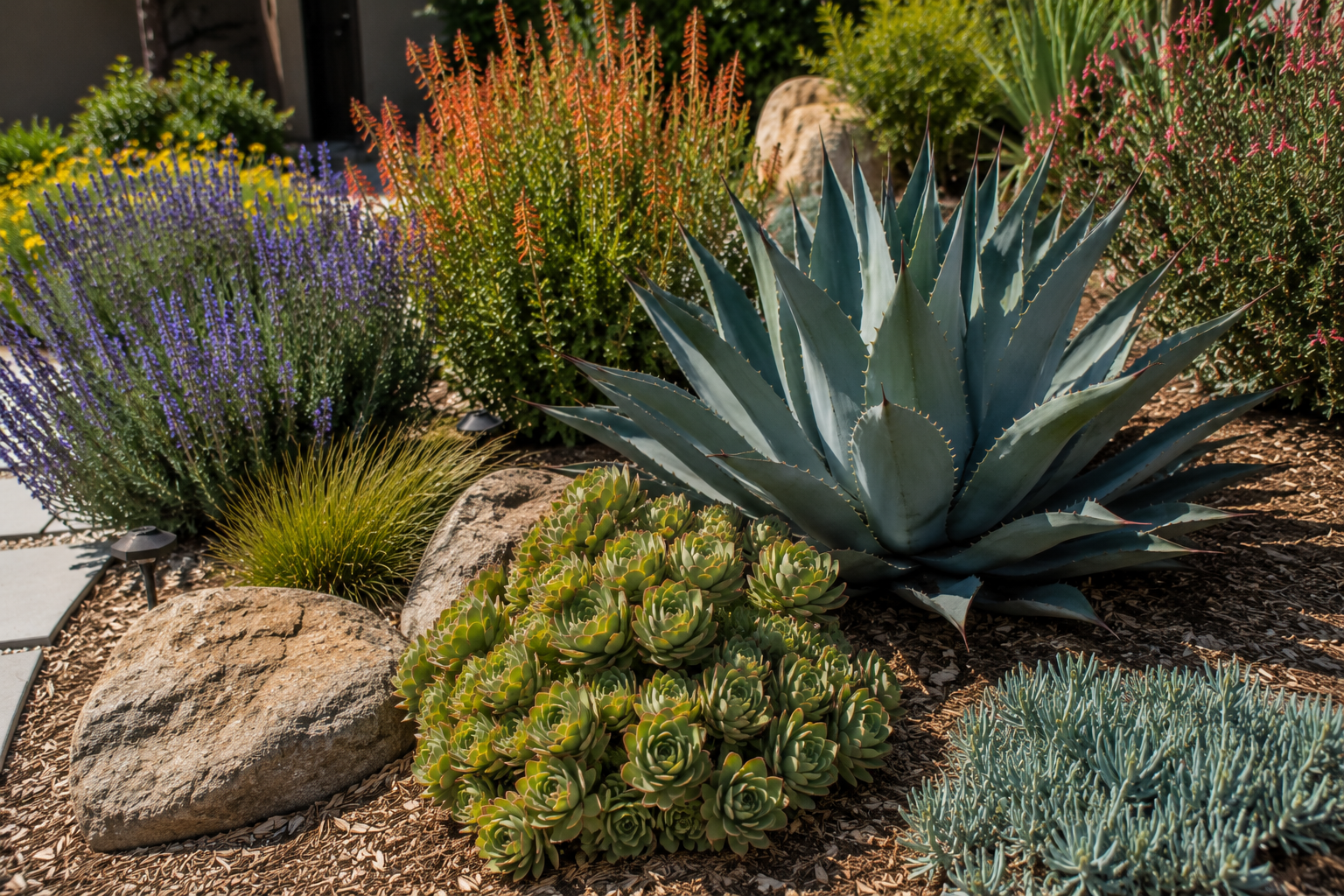
Drought-Tolerant Landscaping Myths vs. Reality
As drought-tolerant landscaping has become more popular, so have the misconceptions surrounding it. Many homeowners hesitate to make the transition because they've heard outdated information or have seen poorly designed examples that don't reflect what's possible. Understanding the facts can help you make confident decisions when planning your landscape.
Myth: Drought-tolerant landscapes are boring.
Reality: Modern drought-tolerant landscapes are filled with color, texture, seasonal blooms, and visual interest. By combining flowering shrubs, ornamental grasses, specimen trees, succulents, native plants, decorative stone, and landscape lighting, these landscapes can be just as lush and inviting as traditional gardens while using significantly less water.
Myth: You never have to water a drought-tolerant landscape.
Reality: Every newly installed landscape requires consistent Irrigation while plants establish their root systems. Mature landscapes also benefit from supplemental watering during extended periods of hot, dry weather. The difference is that water is applied more efficiently and only where it is needed.
Myth: All drought-tolerant landscapes look the same.
Reality: Every landscape can be customized to complement the home's architecture, the homeowner's lifestyle, and the property's unique conditions. Whether you prefer a contemporary design, a Mediterranean garden, a California native landscape, or a traditional outdoor setting, drought-tolerant principles can be incorporated into virtually any design style.
Myth: Removing the lawn is enough.
Reality: Replacing grass alone does not create a successful drought-tolerant landscape. Proper planning, irrigation, grading, drainage, plant selection, and thoughtful design are all essential to creating an outdoor space that is attractive, functional, and sustainable.
Signs It May Be Time to Renovate Your Landscape
Many homeowners know something isn't working in their yard but aren't always sure when it's time to consider a complete renovation. While regular maintenance can address many issues, there comes a point when redesigning the landscape provides a better long-term solution.
Your landscape may be ready for renovation if you experience frequent Irrigation problems, rising water bills, poor drainage, unhealthy or overgrown plants, excessive maintenance, outdated materials, or outdoor spaces that no longer meet your family's needs.
Perhaps your lawn struggles to survive despite constant watering, mature plants have outgrown their space, or your backyard simply isn't being used because it lacks comfortable gathering areas. In other cases, homeowners want to improve curb appeal, create defensible space, replace aging Hardscape, or modernize the appearance of their property.
A professionally planned renovation addresses these concerns as part of a complete design rather than treating them as isolated problems. The result is a landscape that functions better, looks better, and better supports the way you live.
A Landscape That Reflects Southern California Living
Living in San Diego means enjoying one of the most desirable climates in the world. Mild winters, warm summers, and abundant sunshine make it possible to spend time outdoors throughout much of the year. Your landscape should embrace these advantages by creating spaces that encourage outdoor living rather than simply surrounding the home.
Thoughtfully designed patios become outdoor dining rooms. Fire features extend evenings outdoors during cooler months. Pergolas create comfortable shade on warm afternoons. Landscape lighting transforms the property after sunset, while carefully selected plants provide beauty throughout every season.
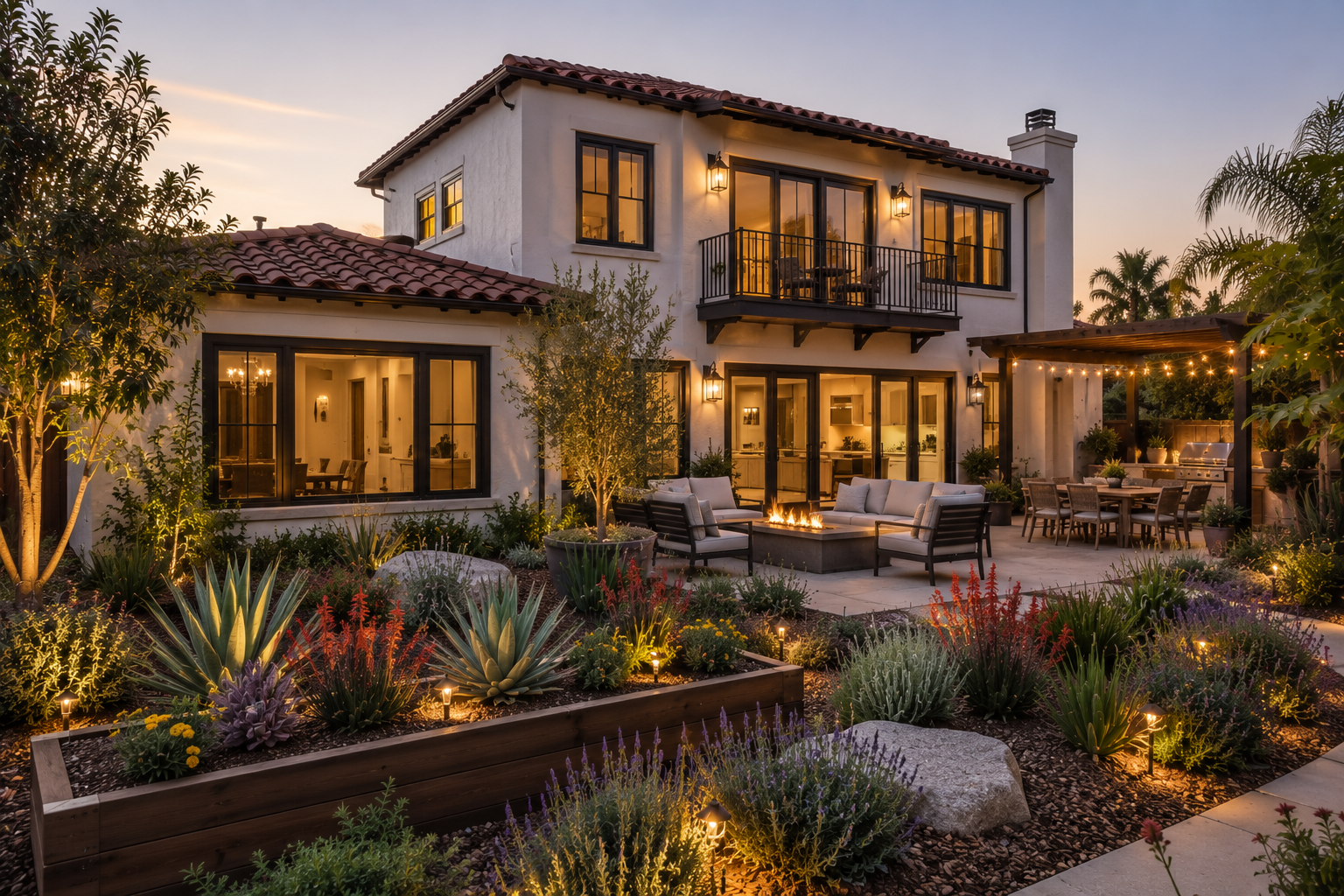
Rather than treating the landscape as separate from the home, successful design creates a seamless transition between indoor and outdoor living. Large doors open onto inviting patios, pathways connect gathering spaces, gardens frame important views, and every element contributes to a cohesive outdoor experience.
The result is more than an attractive yard. It is an outdoor environment designed to be lived in, enjoyed, and shared with family and friends for years to come.
Drought-Tolerant Landscaping for Every Stage of Homeownership
Whether you've recently purchased your first home, have lived in the same neighborhood for decades, or are preparing your property for resale, a thoughtfully designed drought-tolerant landscape can enhance the way you experience your home.
New homeowners often see landscaping as an opportunity to personalize their property and create outdoor spaces that reflect their lifestyle. Families may prioritize open gathering areas, safe walkways, and functional outdoor living spaces. Empty nesters frequently seek landscapes that require less maintenance while remaining beautiful throughout the year. Homeowners preparing to sell often invest in curb appeal to help their property stand out in a competitive market.
No matter where you are in your homeownership journey, a professionally planned landscape can be tailored to your goals while providing long-term beauty and functionality.
The Importance of Professional Installation
Even the best landscape design depends on proper installation. Quality craftsmanship ensures that every component of the landscape performs as intended while protecting your investment for years to come.
Proper grading establishes positive drainage before any planting begins. Irrigation systems should be pressure tested, adjusted, and calibrated to provide efficient water distribution. Trees and shrubs should be planted at the proper depth to encourage healthy root development, while Hardscape installations require stable base preparation, proper compaction, and careful attention to detail.
Landscape lighting should be thoughtfully positioned to create balanced illumination without excessive glare, and drainage systems should be installed to manage stormwater before it becomes a problem.
Attention to these details during construction often determines how successfully a landscape matures over the coming years.
Adapting Your Landscape as Your Needs Change
A landscape should be flexible enough to grow with you. As families expand, children grow older, or homeowners enter different stages of life, outdoor spaces often serve new purposes.
An open lawn may eventually become a garden or entertainment area. Planting beds can be expanded as trees mature. Outdoor Kitchens, shade structures, Fire Features, and landscape lighting can be added in future phases to enhance the property's functionality without requiring a complete redesign.
Planning with future improvements in mind helps ensure that every addition integrates naturally with the original landscape rather than appearing as an afterthought.
Thoughtful long-term planning creates landscapes that continue to evolve alongside the people who enjoy them.
The Lasting Value of Thoughtful Landscape Design
Great landscapes are not defined by trends or the latest design styles. They are defined by timeless principles, quality craftsmanship, and an understanding of how people interact with outdoor spaces.
A thoughtfully designed drought-tolerant landscape creates opportunities to spend more time outdoors, reduces unnecessary maintenance, conserves valuable resources, and enhances the character of your property. It becomes a place where memories are made, celebrations are shared, and everyday life is enriched by the natural beauty that surrounds your home.
Whether your vision is simple or ambitious, the best landscapes begin with careful planning, informed decisions, and a commitment to creating something that will continue to improve with time.
By embracing drought-tolerant landscaping, you're not simply reducing water use—you're investing in an outdoor environment that reflects the beauty of Southern California while providing lasting enjoyment for generations to come.
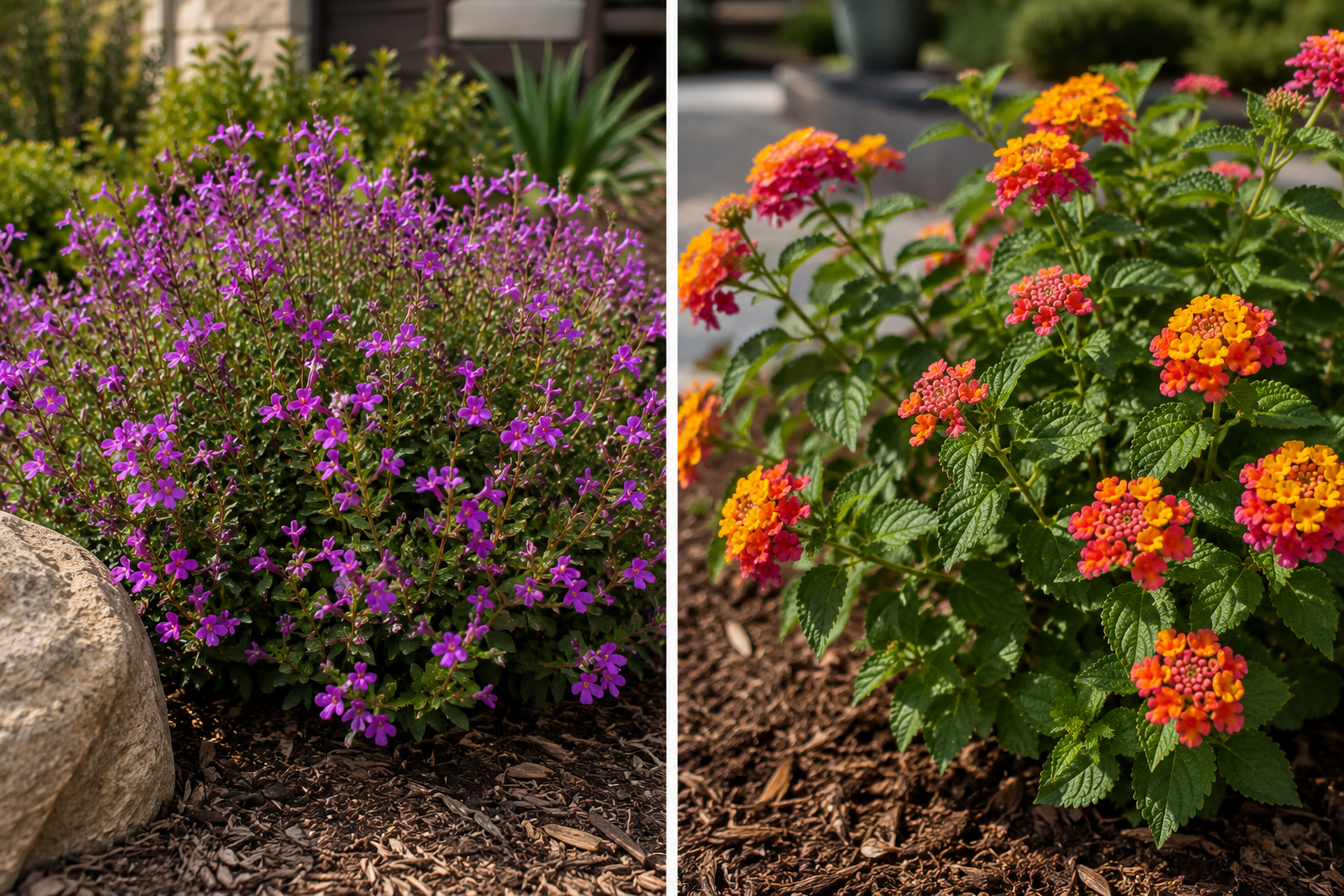
Drought-Tolerant Landscaping Checklist
If you're considering a landscape renovation, taking the time to evaluate your property before construction begins can help ensure a more successful project. The following checklist highlights some of the most important factors to consider during the planning process.
Does your current landscape reflect how you use your outdoor space?
Are there areas that receive too much or too little sunlight?
Is your irrigation system operating efficiently?
Are mature plants overcrowded or blocking windows, walkways, or views?
Does water drain properly away from your home after heavy rain?
Are there opportunities to reduce unnecessary lawn areas?
Would additional shade improve the comfort of your outdoor living spaces?
Could landscape lighting improve safety, security, or nighttime enjoyment?
Do your existing plants complement your home's architecture?
Are there opportunities to improve privacy or screen neighboring properties?
Would decorative rock, boulders, or hardscape improve the overall design?
Is your landscape easy to maintain throughout the year?
Does your landscape help support birds, butterflies, and beneficial pollinators?
Are there opportunities to improve water efficiency without sacrificing beauty?
Does your landscape feel complete, or has it evolved through years of unrelated additions?
Answering these questions can help identify opportunities to improve both the appearance and functionality of your outdoor environment before investing in a renovation.
Bringing Every Element Together
The most memorable landscapes are never the result of a single feature. They are created when every element works together toward a common vision.
Healthy soil supports thriving plants. Efficient Irrigation conserves water while encouraging strong root systems. Carefully selected trees create shade and structure. Layered planting beds add texture and seasonal color. Decorative Hardscape defines outdoor living spaces, while landscape lighting extends the enjoyment of the landscape long after the sun goes down.
When these elements are thoughtfully integrated, the result is an outdoor environment that feels comfortable, welcoming, and connected to the home.
Drought-tolerant landscaping is not about doing less. It's about designing smarter. By choosing climate-appropriate plants, durable materials, efficient irrigation, and timeless design principles, homeowners can create landscapes that remain beautiful, functional, and sustainable for decades.
Every property has the potential to become something extraordinary. With thoughtful planning and professional execution, your landscape can become one of your home's most valuable and enjoyable features—a place where beauty, functionality, and nature come together in perfect balance.
Why Education Matters Before You Invest
A landscape renovation is a significant investment, and the best results begin with informed decisions. Taking the time to understand your options before construction starts can help you avoid costly mistakes, establish realistic expectations, and create a landscape that continues to meet your needs well into the future.
Every decision matters—from selecting the right plants and Irrigation system to choosing hardscape materials, planning drainage, and designing outdoor living spaces. While trends come and go, the principles of good landscape design remain the same: thoughtful planning, quality materials, professional installation, and a landscape designed specifically for the property.
An educated homeowner is better equipped to ask the right questions, compare proposals, understand long-term maintenance requirements, and make decisions that support both the appearance and performance of their landscape.
That's why we've created the Landscape Learning Center—to provide trusted information that empowers homeowners to confidently navigate every stage of the landscape planning process.
Continue Your Landscaping Journey
Drought-tolerant landscaping is just one piece of creating an exceptional outdoor environment. Every successful landscape is supported by proper planning, efficient irrigation, quality construction, and ongoing care.
As you continue exploring the Landscape Learning Center, you'll find in-depth resources covering topics including landscape design, irrigation systems, landscape lighting, Hardscape materials, retaining walls, firewise landscaping, plant selection, drainage solutions, seasonal maintenance, and outdoor living inspiration.
Whether you're gathering ideas for a future project or preparing to begin construction, our goal is to provide practical information that helps you make informed decisions and build a landscape you'll enjoy for many years.
No matter where your landscaping journey begins, we're here to help guide you every step of the way.
Drought-Tolerant Landscaping Terminology
As you research your landscape project, you'll likely encounter industry terms that may be unfamiliar. Understanding these concepts will help you communicate more effectively during the design process and make informed decisions about your landscape.
Hydrozone — A planting area where plants with similar water requirements are grouped together and irrigated from the same zone for maximum water efficiency.
Drip Irrigation — A low-volume irrigation system that delivers water directly to the root zone through tubing and emitters, reducing evaporation and runoff.
Mulch — A protective layer of organic or inorganic material placed over the soil to conserve moisture, regulate soil temperature, reduce weeds, and improve the appearance of planting beds.
Groundcover — Low-growing plants used to cover exposed soil, reduce erosion, suppress weeds, and provide texture between larger plantings.
Specimen Plant — A distinctive tree, shrub, or succulent selected to serve as a focal point within the landscape.
Hardscape — The non-living elements of a landscape, including patios, walkways, retaining walls, driveways, steps, decorative rock, and other constructed features.
Softscape — The living portions of the landscape, including trees, shrubs, flowers, ornamental grasses, groundcovers, and lawns.
Permeable Surface — A material that allows water to pass through and soak into the soil, helping reduce runoff and improve groundwater recharge.
Plant Palette — A carefully selected collection of plants chosen to complement one another based on color, texture, mature size, water requirements, and overall design style.
Establishment Period — The time following installation when newly planted material develops a healthy root system before becoming fully adapted to its new environment.
Why Every Landscape Should Be Unique
No two homes are exactly alike, and no two landscapes should be either.
A landscape should reflect the character of the home, complement the surrounding environment, and support the lifestyle of the people who use it every day. While design inspiration can come from magazines, online photos, or neighboring properties, the best landscapes are never exact copies.
Every property presents a unique combination of architecture, views, sun exposure, soil conditions, drainage, existing trees, and outdoor living opportunities. A successful landscape responds to these conditions while incorporating the homeowner's personal style and long-term goals.
Some homeowners prefer clean contemporary designs with simple planting palettes and bold architectural lines. Others are drawn to lush Mediterranean gardens, natural California landscapes, or colorful cottage-style plantings. Regardless of the preferred aesthetic, the principles of thoughtful planning, efficient water use, and quality craftsmanship remain the same.
Designing specifically for the property results in a landscape that feels authentic, functions better, and continues to improve with time.
The Future of Landscaping in Southern California
Landscape Design continues to evolve as homeowners place greater emphasis on sustainability, water efficiency, outdoor living, and environmental responsibility. Today's landscapes are expected to do more than simply look attractive—they must perform efficiently, adapt to changing conditions, and provide meaningful outdoor experiences.
Advances in Irrigation technology, Landscape Lighting, climate-appropriate plant selections, and sustainable construction methods continue to improve the way outdoor spaces are designed and maintained. At the same time, homeowners are placing greater value on functional gathering spaces, pollinator-friendly gardens, shade, privacy, and landscapes that support everyday living.
The future of landscaping in Southern California is not about using less—it's about designing better. By combining timeless design principles with modern technology and environmentally responsible practices, homeowners can create landscapes that remain beautiful, resilient, and enjoyable for generations.
A thoughtfully designed drought-tolerant landscape represents more than a response to changing environmental conditions. It represents a smarter, more intentional approach to outdoor living that celebrates the natural beauty of Southern California while creating lasting value for your home.
Additional Resources
Planning a drought-tolerant landscape involves many individual decisions, from selecting the right plants to designing efficient irrigation systems and creating functional outdoor living spaces. To help you continue your research, we've developed additional educational resources that explore these topics in greater detail.
Continue your landscaping journey with these helpful guides:
Each guide is designed to help you make informed decisions while providing practical advice tailored specifically to San Diego homeowners. Whether you're planning a complete landscape renovation or simply looking for ideas to improve your existing yard, our educational resources are here to help every step of the way.
Ready to Transform Your Landscape?
The right Landscape Lighting system can completely transform the way you experience your home after sunset. From improved curb appeal and enhanced safety to beautiful outdoor entertaining spaces, professional Low-Voltage Landscape Lighting adds lasting value to your property.
If you're ready to design a custom Outdoor Lighting Design tailored to your home, Nature's Elements Landscaping is here to help. Contact us today to schedule your consultation and discover how professionally designed Landscape Lighting can bring your outdoor spaces to life, night after night.